
Understanding shed construction costs is critical for businesses and homeowners planning to build storage facilities, industrial structures, car parking sheds, or rooftop installations in India. In 2025, the shed construction market continues to evolve with innovative building technologies, sustainable materials, and cost-effective solutions. This comprehensive guide explores the shed construction cost per square feet across different shed types, helping you make informed decisions for your project. Whether you’re looking to build an industrial warehouse in Kolkata or a residential car parking shed, this guide provides detailed cost breakdowns, influential factors, and expert guidance on selecting the right shed builder for your needs.
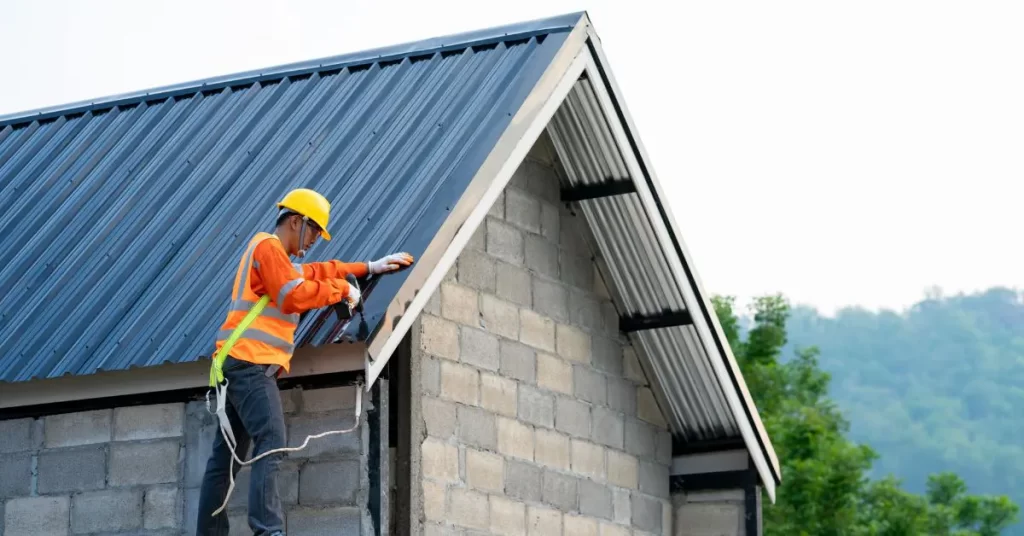
The construction industry in India is experiencing transformative growth in 2025, with pre-engineered buildings (PEB) and innovative shed construction methods gaining significant momentum. With the Indian PEB market projected to exceed INR 25,000 crores by 2025, understanding construction costs has become essential for project planning and budgeting. The cost per square foot varies dramatically based on shed type, materials, location, and design complexity, making a comprehensive cost analysis crucial for successful project execution.
Accurate cost estimation prevents budget overruns and enables strategic decision-making throughout the construction process. In India’s competitive construction market, where material costs fluctuate and labor rates vary by region, understanding the shed construction cost per square feet helps stakeholders negotiate better contracts, select appropriate materials, and plan realistic timelines. For Kolkata-based projects, where construction costs range between ₹1,500 to ₹2,400 per square foot for standard sheds, precise cost knowledge becomes a competitive advantage.
Cost awareness also facilitates comparison between construction methods. Traditional reinforced cement concrete (RCC) structures typically cost ₹1,800 to ₹3,000+ per square foot, while pre-engineered buildings offer similar functionality at ₹1,500 to ₹2,500 per square foot, representing potential savings of 20-30%. These cost differentials become significant in large-scale projects where even small per-unit savings translate into substantial overall budget reductions.
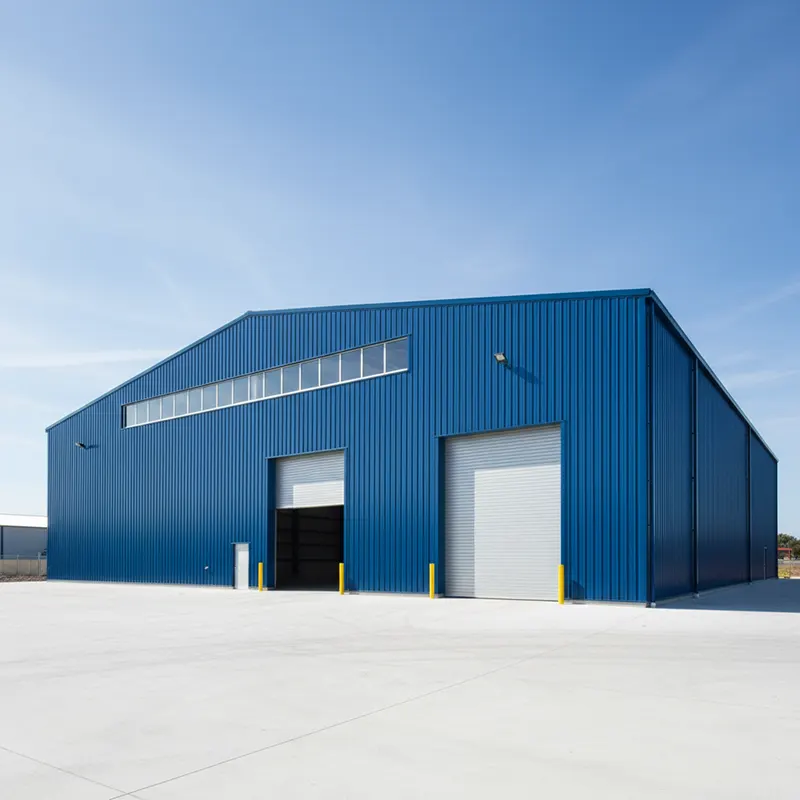
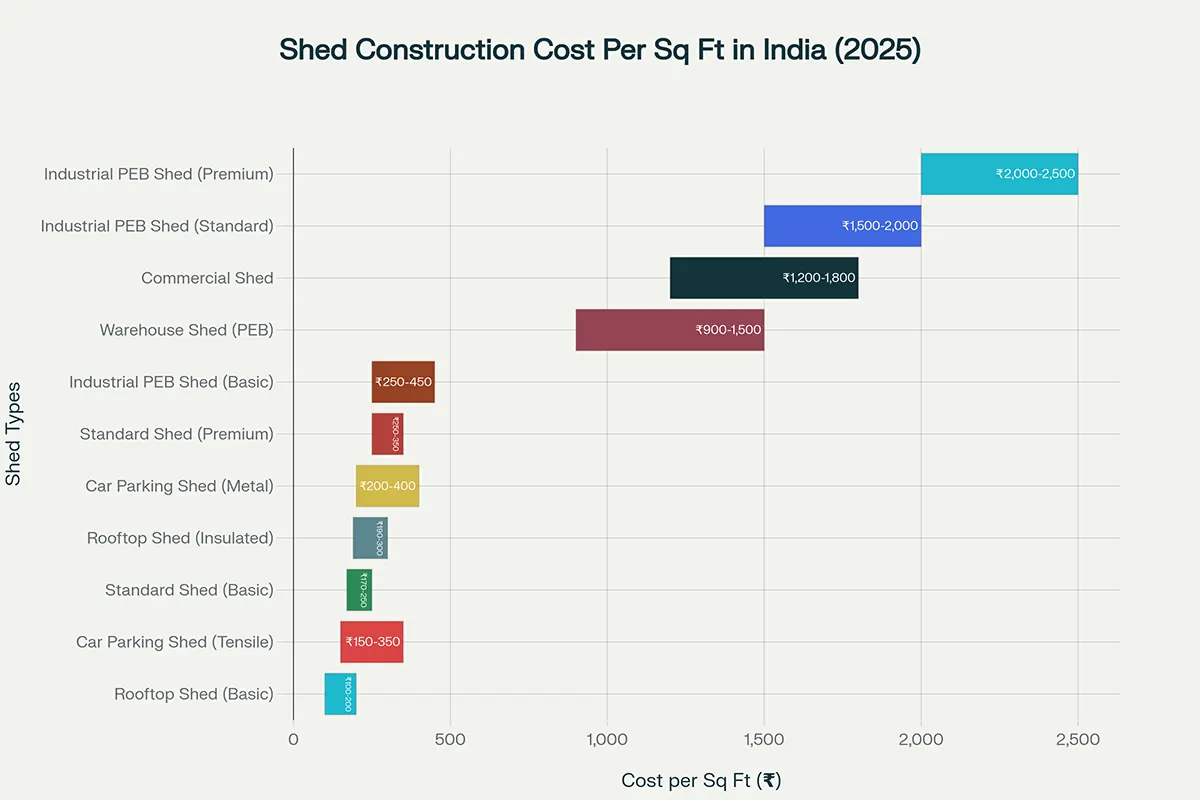
The Indian construction market offers diverse shed categories designed for specific applications. Industrial sheds serve manufacturing facilities and warehouses, typically constructed using PEB (Pre-Engineered Building) technology, with costs ranging from ₹250 to ₹2,500 per square foot, depending on the specifications. These structures provide large column-free spaces essential for machinery installation and material handling operations.

Car parking sheds represent another significant category, utilizing tensile fabric or metal structures, with costs ranging from ₹150 to ₹400 per square foot. These lightweight structures protect vehicles from weather elements while maintaining aesthetic appeal. Tensile fabric parking sheds cost approximately ₹150 to ₹350 per square foot, while metal-frame alternatives range from ₹200 to ₹400 per square foot.
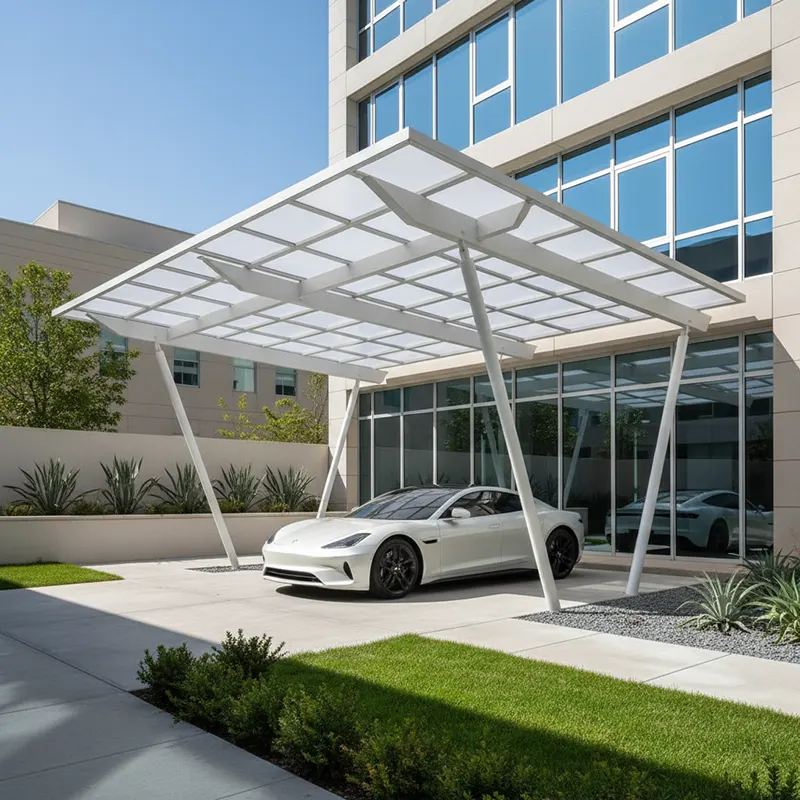
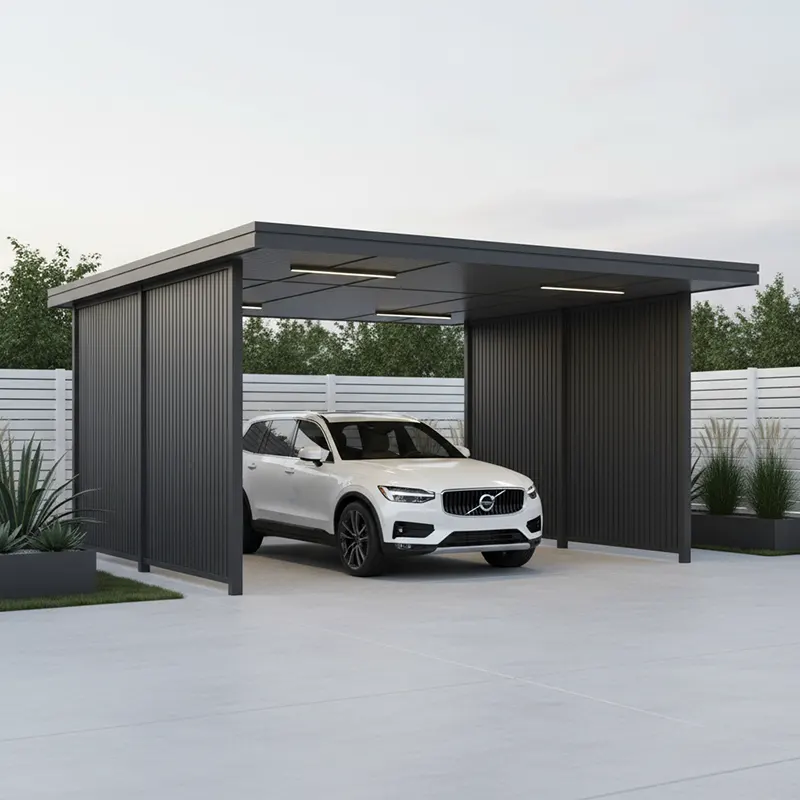
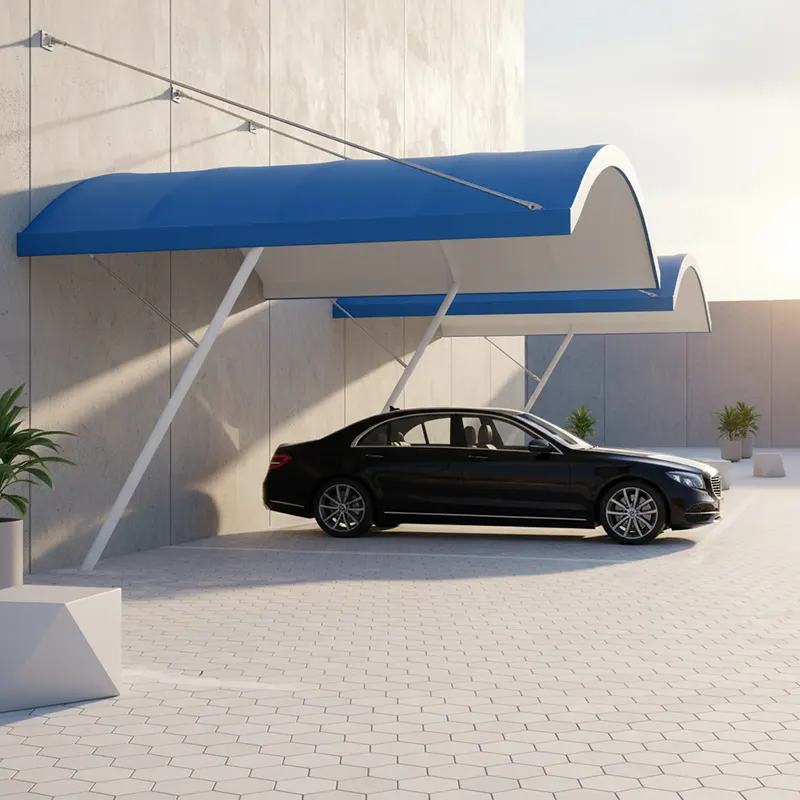
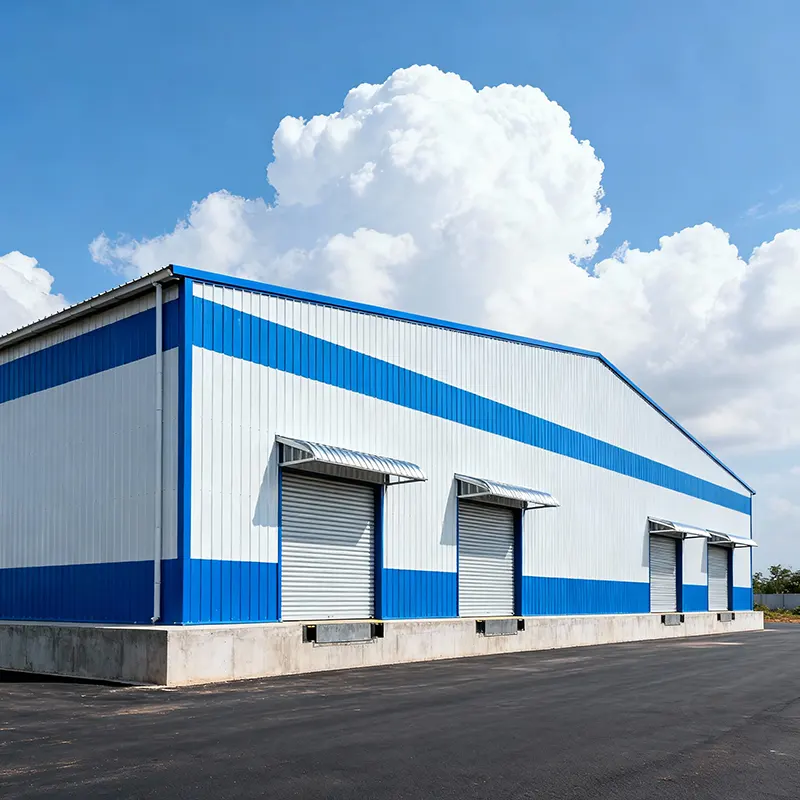
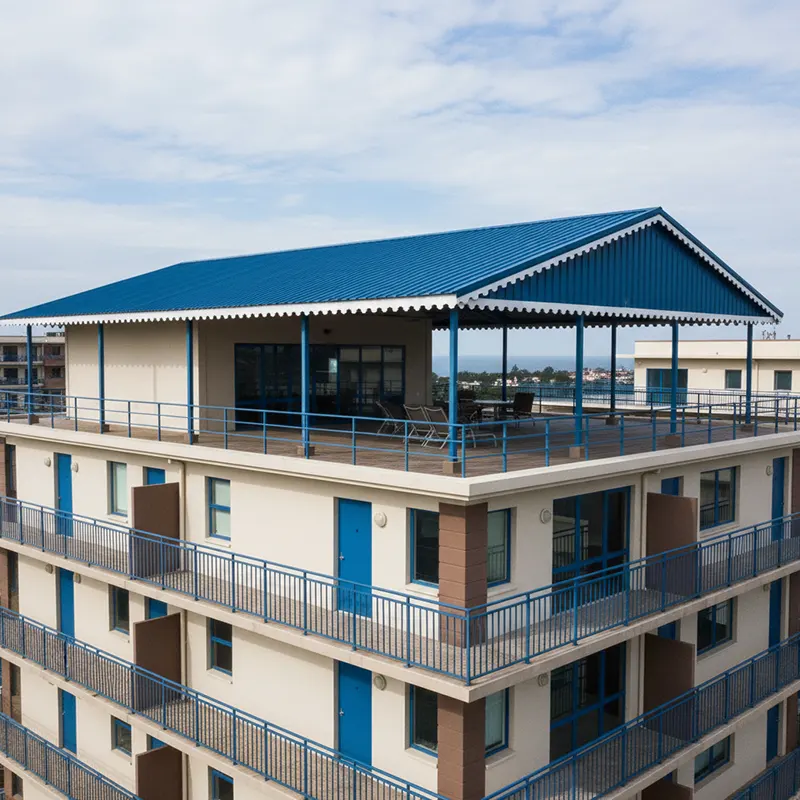
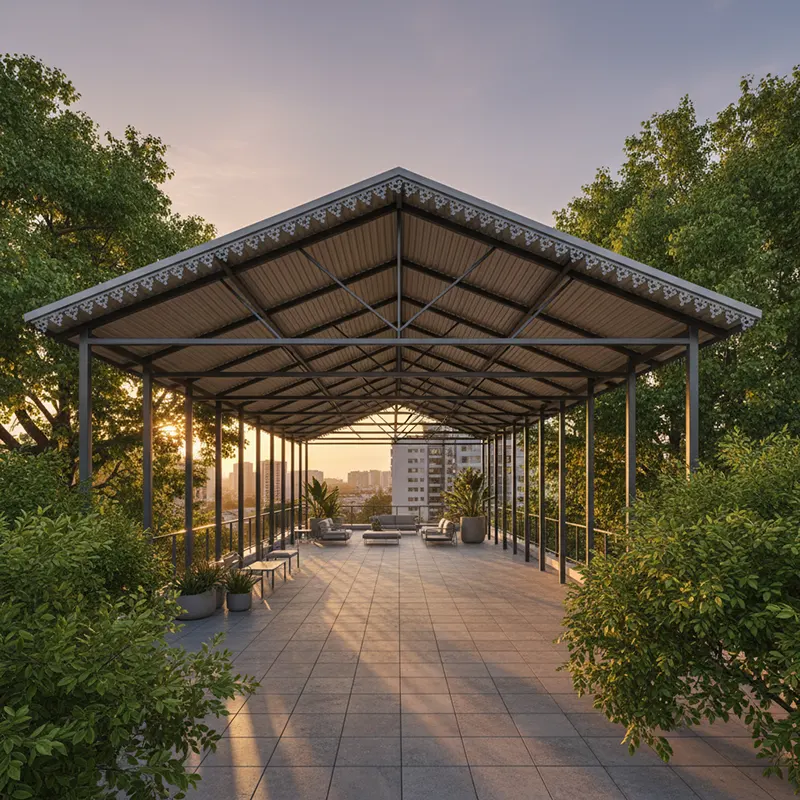
Rooftop sheds maximize existing building infrastructure, providing additional storage or workspace without requiring new land. Basic rooftop sheds cost ₹100 to ₹200 per square foot, while insulated versions with enhanced thermal properties range from ₹190 to ₹300 per square foot. Commercial sheds for retail and office applications typically cost ₹1,200 to ₹1,800 per square foot, while large-scale warehouse sheds range from ₹900 to ₹1,500 per square foot.
| Shed Type | Cost Per Sq Ft (₹) | Construction Time | Typical Applications |
|---|---|---|---|
| Standard Shed (Basic) | 170-250 | 2-3 weeks | Small storage, workshops |
| Standard Shed (Premium) | 250-350 | 3-4 weeks | Storage, small businesses |
| Industrial PEB Shed (Basic) | 250-450 | 3-5 weeks | Small warehouses, storage |
| Industrial PEB Shed (Standard) | 1,500-2,000 | 4-8 weeks | Factories, warehouses |
| Industrial PEB Shed (Premium) | 2,000-2,500 | 6-10 weeks | Large industrial facilities |
| Car Parking Shed (Tensile) | 150-350 | 1-2 weeks | Residential parking |
| Car Parking Shed (Metal) | 200-400 | 2-3 weeks | Commercial parking |
| Rooftop Shed (Basic) | 100-200 | 1-2 weeks | Terrace storage |
| Rooftop Shed (Insulated) | 190-300 | 2-3 weeks | Terrace offices, storage |
| Commercial Shed | 1,200-1,800 | 6-12 weeks | Retail, offices |
| Warehouse Shed (PEB) | 900-1,500 | 8-16 weeks | Large-scale storage, logistics |
Multiple interconnected factors determine the final cost per square foot of shed construction projects. Understanding these variables enables better cost prediction and optimization strategies.
Material choices constitute 60-65% of total construction costs, making this the most significant cost determinant. Steel quality directly impacts both immediate costs and long-term durability. High-grade galvanized steel or pre-painted galvanized iron (PPGI) sheets resist corrosion and weather damage, commanding premium prices but offering extended service life of 40-50 years. Standard steel grades reduce initial costs by 15-20% but may require more frequent maintenance
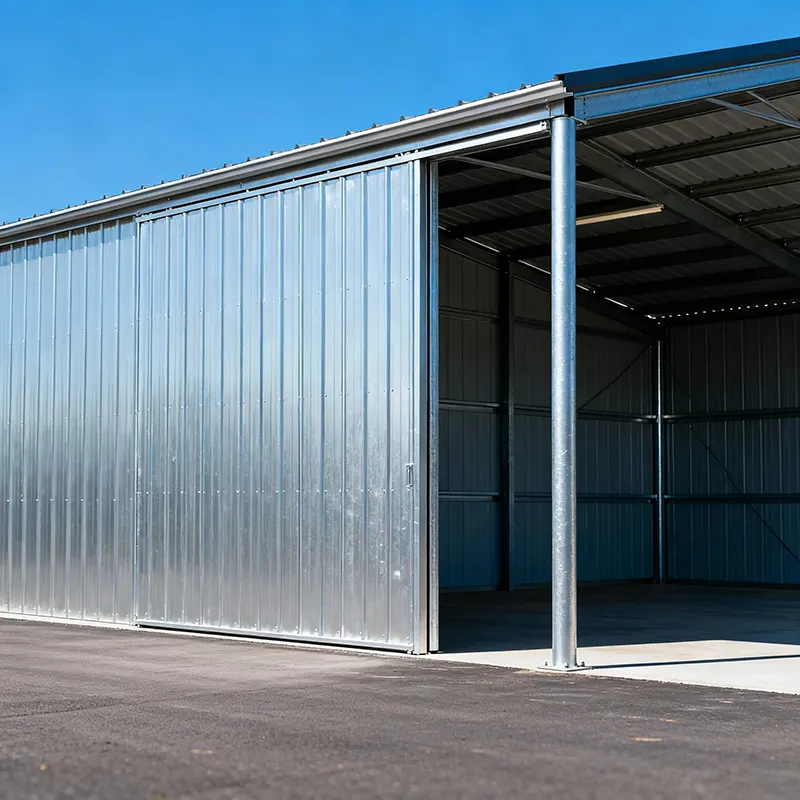
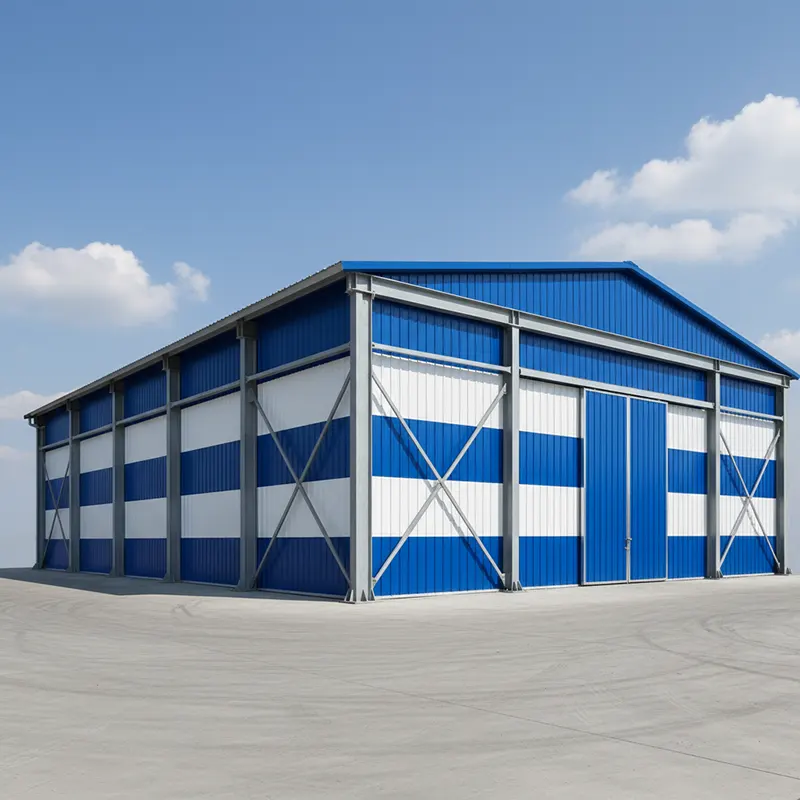
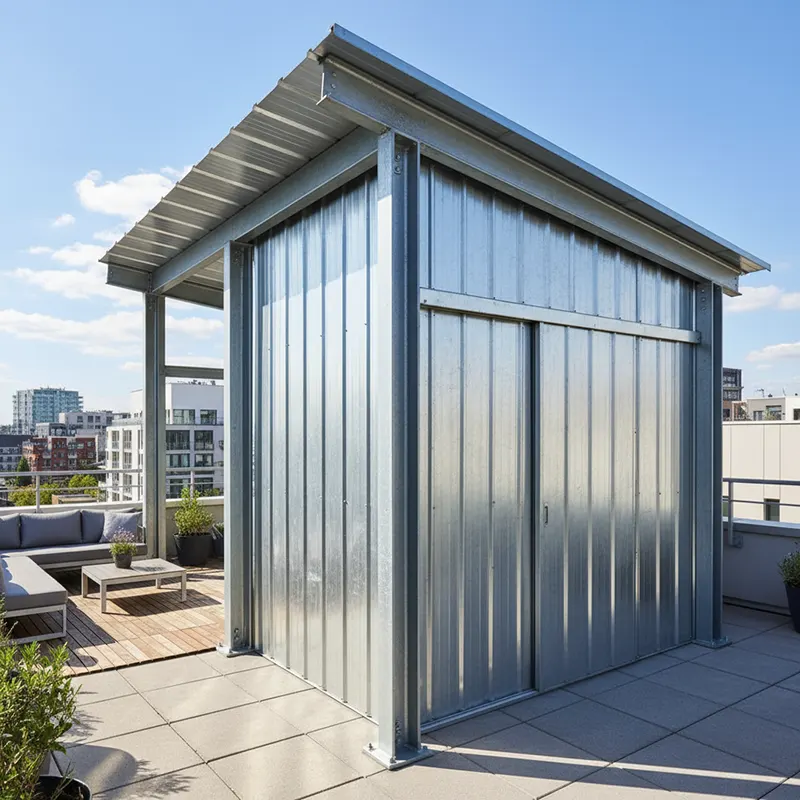
For PEB structures, steel consumption typically ranges from 3 to 6 kilograms per square foot, depending on design specifications and structural loads. Higher spans or heavy crane loads increase steel requirements, directly elevating material costs. Roofing and cladding materials add another cost layer, with options ranging from basic tin sheets at ₹50 per square foot to insulated PUF panels at ₹100-120 per square foot. Premium materials like polycarbonate roofing or architectural metal panels increase costs by 25-40% compared to standard options.
Concrete and foundation materials account for substantial portions of material budgets. Cement costs between ₹180 to ₹220 per square foot of total construction, representing 14-16% of material expenses. Aggregates and sand contribute another 8-10% and 5-6% respectively. Foundation depth requirements vary with soil conditions and structural loads, with deep foundations in poor soil increasing costs by 10-15%
Labor expenses constitute 25-30% of total shed construction costs, with significant regional variations across India. In Kolkata and West Bengal, labor costs index as medium compared to high-cost metros like Mumbai and Delhi NCR. Specific labor categories contribute varying proportions: masonry work accounts for 18-22% of labor costs at ₹100-130 per square foot, while shuttering and formwork contribute 14-18% at ₹80-110 per square foot.
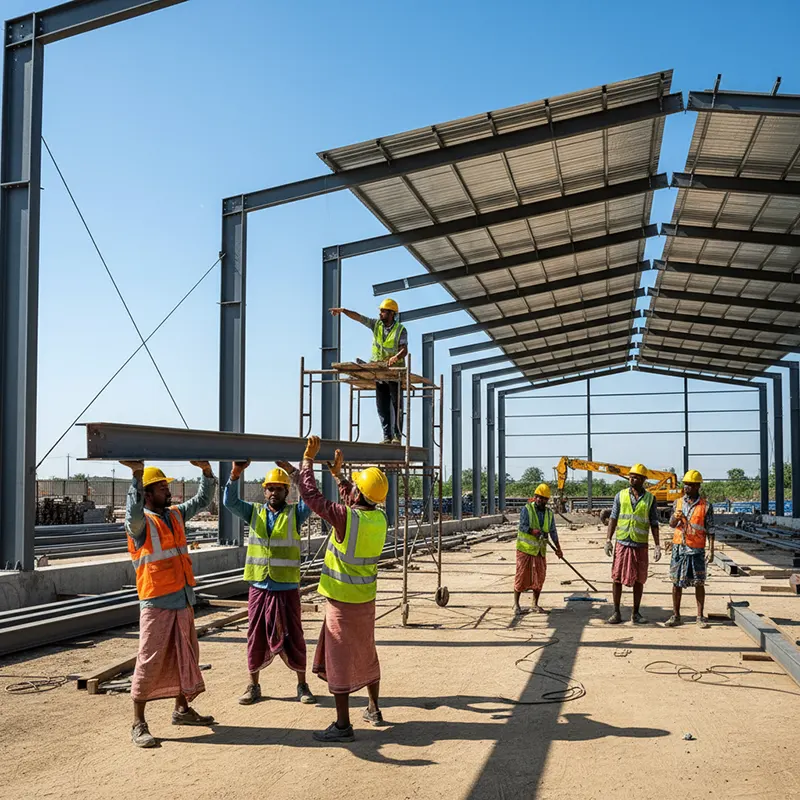
Steel bending and fixing labor costs ₹70-90 per square foot, representing 12-15% of labor expenses, while concrete work ranges from ₹90-120 per square foot for 15-18% of the labor budget. Specialized work like plastering (₹50-80 per square foot), painting (₹25-40 per square foot), and electrical installations (₹20-30 per square foot) adds incremental costs. Total labor costs for basic construction range from ₹450-550 per square foot, while premium construction with complex finishes reaches ₹650-800 per square foot.
PEB construction reduces on-site labor requirements compared to traditional methods, as factory fabrication eliminates extensive fieldwork. This efficiency translates into 30-60% faster construction timelines and proportionally reduced labor costs. However, PEB structures require skilled erection crews familiar with bolted connection systems, potentially commanding premium hourly rates compared to general construction labor.
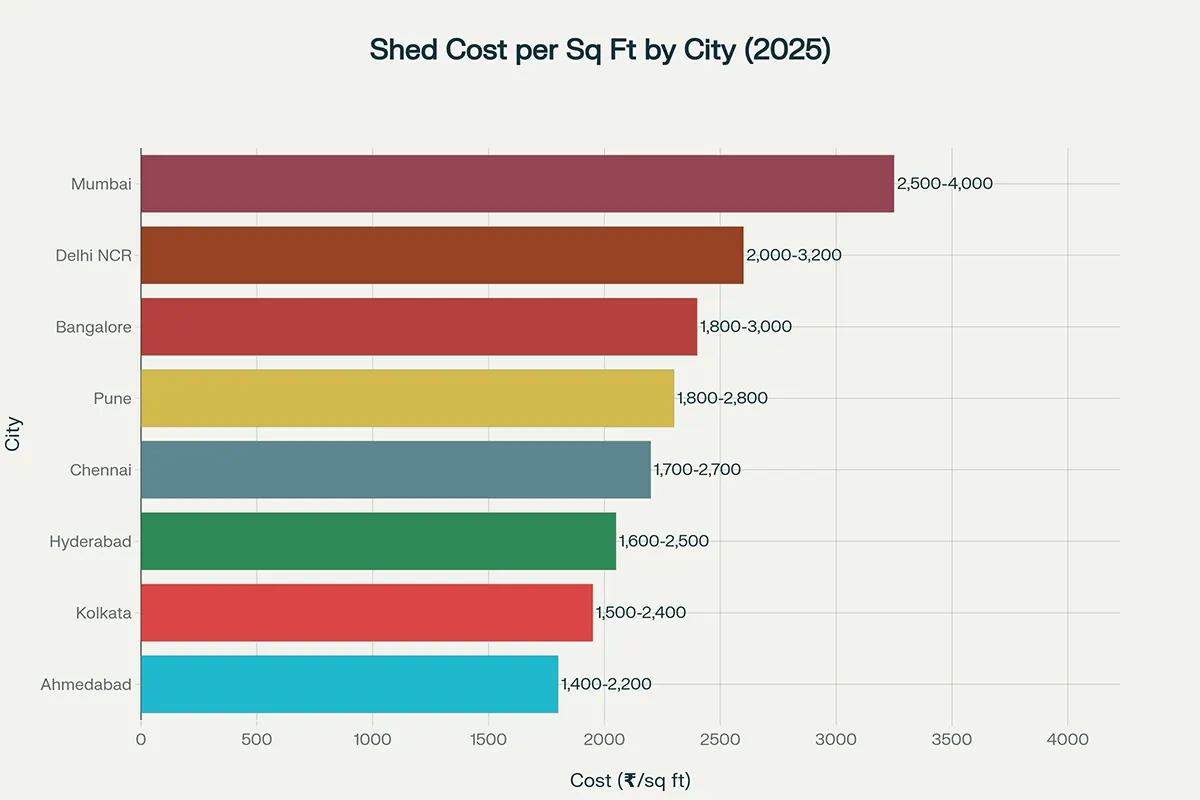
Geographic location significantly influences construction costs through multiple mechanisms. Urban areas in major metros like Mumbai command 40-60% higher costs compared to tier-2 cities like Kolkata or Ahmedabad. Mumbai’s shed construction costs range from ₹2,500 to ₹4,000 per square foot, while Kolkata’s costs remain moderate at ₹1,500 to ₹2,400 per square foot. These variations reflect local labor rates, material transportation costs, and regulatory compliance expenses.
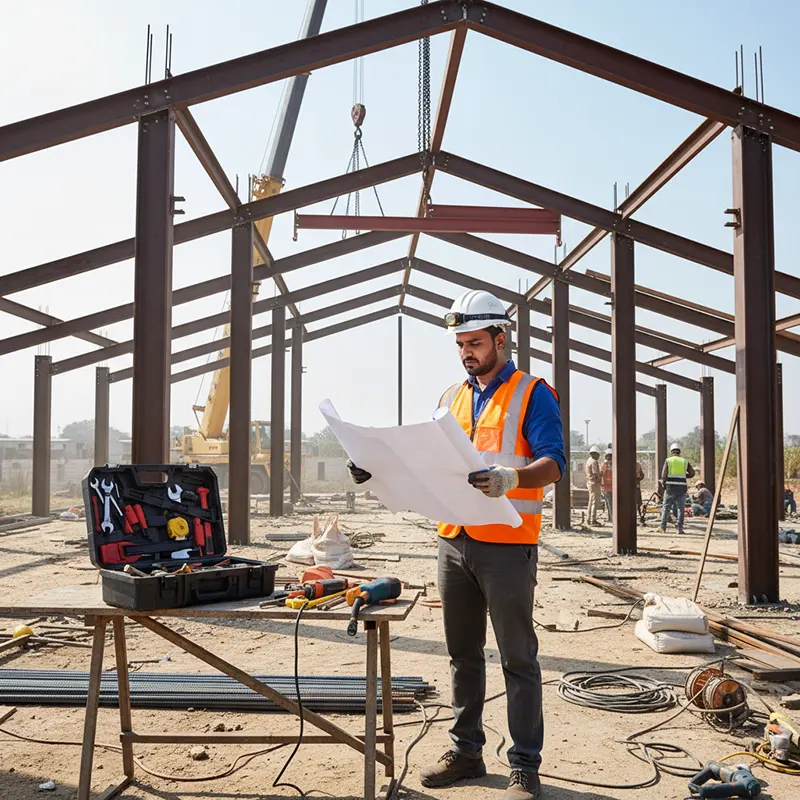
Site preparation requirements vary dramatically with terrain and soil conditions. Level sites with stable soil require minimal preparation at ₹30-50 per square foot, while sloped terrain or weak soil necessitates extensive excavation, grading, and foundation reinforcement, potentially adding ₹100-200 per square foot to project costs. Coastal areas and seismic zones require heavier structural elements to resist environmental loads, increasing material consumption by 15-20% and raising overall costs accordingly.
Transportation logistics impact material costs, particularly for remote or poorly accessible sites. Narrow approach roads, hilly terrain, or sites distant from material suppliers increase freight charges by 10-20%. In contrast, sites near industrial corridors or manufacturing hubs benefit from efficient supply chains and lower transportation costs. Site utilities availability—power supply, water access, drainage infrastructure—also affects preparation costs, with undeveloped sites requiring additional investment in utility connections.
| Cost Component | Percentage of Total Cost | Notes |
|---|---|---|
| Materials (Steel, Cement, etc.) | 60-65% | Includes primary & secondary steel, roofing, cladding |
| Labor Charges | 25-30% | Fabrication, erection, finishing work |
| Design & Engineering | 5-8% | Structural drawings, calculations, approvals |
| Site Preparation | 3-5% | Leveling, foundation, plinth work |
| Permits & Approvals | 2-3% | Building permits, environmental clearances |
| Transportation | 2-3% | Material delivery to site |
| Miscellaneous | 2-3% | Tools, safety equipment, temporary structures |

Detailed cost analysis reveals distinct pricing patterns across shed categories, enabling informed budget allocation and project planning.
Basic standard sheds for small storage and workshop applications cost ₹170-250 per square foot, including materials, labor, and basic finishes. These structures typically employ tin roofing over tubular steel frames with minimal insulation or architectural features. The cost breakdown allocates approximately ₹100 per square foot for structural framing, ₹50 per square foot for roofing sheets, and ₹20 per square foot for labor, totaling ₹170 per square foot for the most economical configuration.
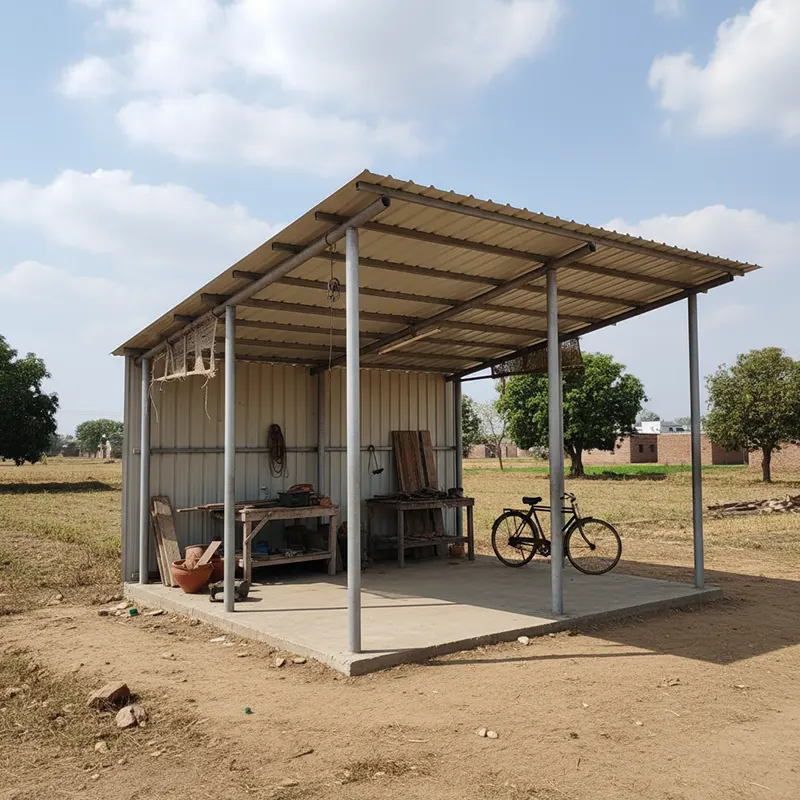
Premium standard sheds incorporating enhanced materials, better finishes, and improved weather protection range from ₹250 to ₹350 per square foot. These structures feature galvanized steel frameworks, color-coated roofing sheets, and potentially basic insulation. A 10×12 shed (120 square feet) in this category costs approximately ₹30,000 to ₹42,000 for complete construction. Construction timelines for standard sheds range from 2-4 weeks depending on size and complexity, significantly faster than traditional masonry structures.
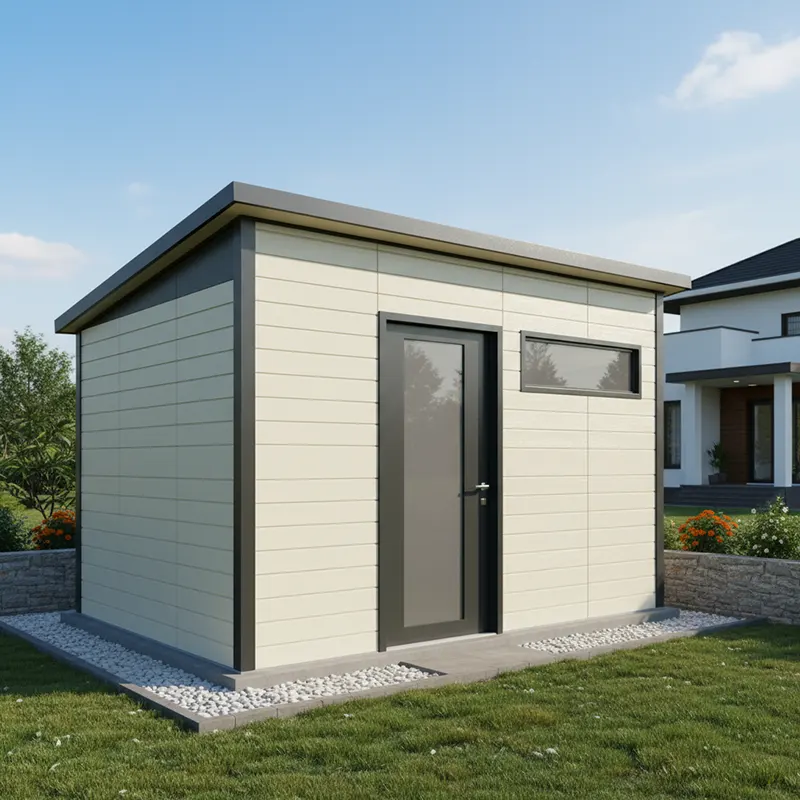
Insulated shed options using PUF panels or double-layer roofing systems increase costs to approximately ₹190 per square foot. While this represents a 12% premium over basic tin sheds, the thermal insulation reduces long-term energy costs in climate-controlled applications and improves structural longevity through better weather protection. These upgraded sheds serve applications that require temperature stability, such as the storage of sensitive materials or workspace environments in extreme climates.
| City/Region | Standard Shed Cost (₹/sq ft) | Labor Cost Index | Material Availability |
|---|---|---|---|
| Kolkata | 1,500-2,400 | Medium | Good |
| Mumbai | 2,500-4,000 | High | Excellent |
| Delhi NCR | 2,000-3,200 | High | Excellent |
| Bangalore | 1,800-3,000 | High | Excellent |
| Chennai | 1,700-2,700 | Medium-High | Good |
| Hyderabad | 1,600-2,500 | Medium | Good |
| Pune | 1,800-2,800 | Medium-High | Good |
| Ahmedabad | 1,400-2,200 | Low-Medium | Good |
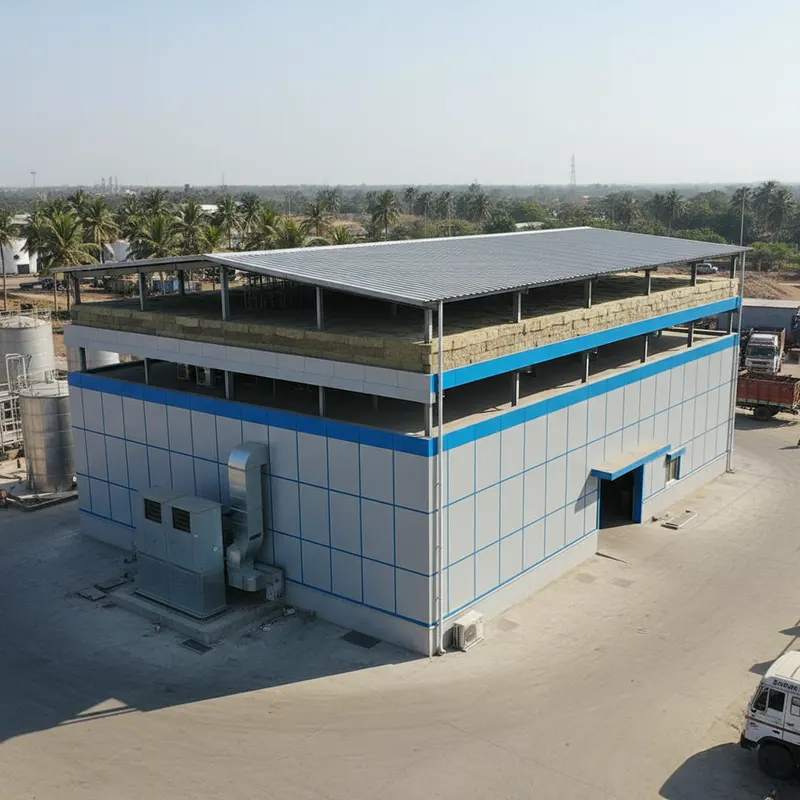
Industrial shed construction cost per square feet varies substantially based on scale, design complexity, and structural requirements. Basic industrial PEB sheds for small warehouses and storage applications cost ₹250-450 per square foot, providing economical solutions for light-duty storage and workshop applications. These structures typically feature simple gable roof designs, standard bay spacing of 5-6 meters, and clear heights of 20-25 feet.
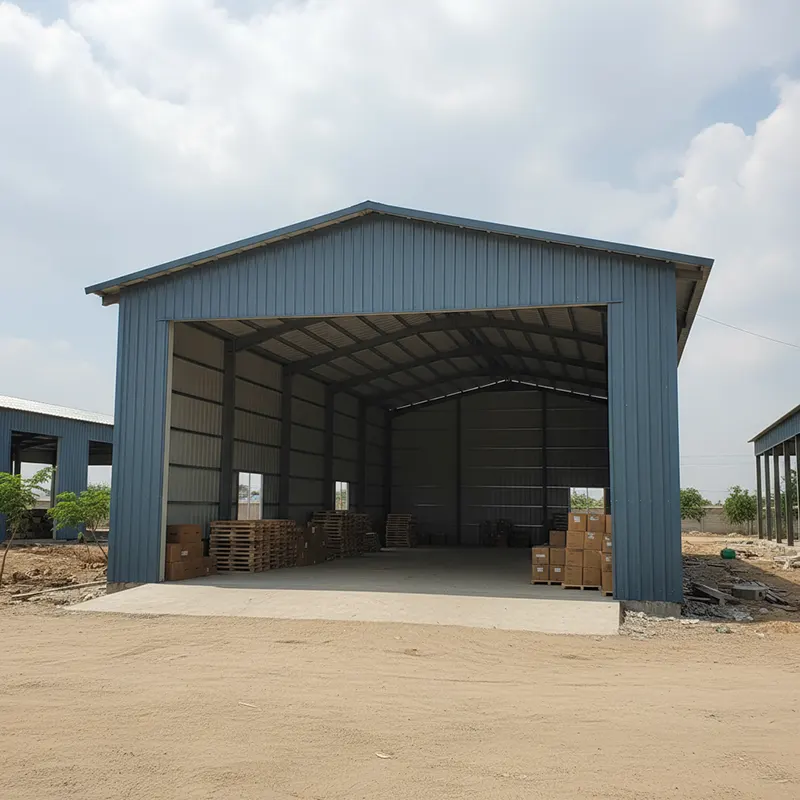
Standard industrial PEB sheds representing the market mainstream cost ₹1,500 to ₹2,000 per square foot, encompassing complete turnkey construction including foundations, structural steel, roofing, wall cladding, and basic accessories like doors and ventilators. This price range delivers functional facilities suitable for manufacturing plants, distribution warehouses, and logistics operations. Steel consumption in these structures ranges from 4-5 kilograms per square foot, optimized through advanced engineering software and precise fabrication.

Premium industrial sheds with specialized features—heavy crane provisions, specialized insulation, mezzanine floors, or architectural finishes—command ₹2,000 to ₹2,500 per square foot. These high-specification structures accommodate heavy manufacturing equipment, temperature-controlled environments for cold storage, or multi-level operations requiring complex structural design. The additional cost reflects increased steel tonnage (5-6 kg per square foot), upgraded cladding materials, and sophisticated engineering requirements.
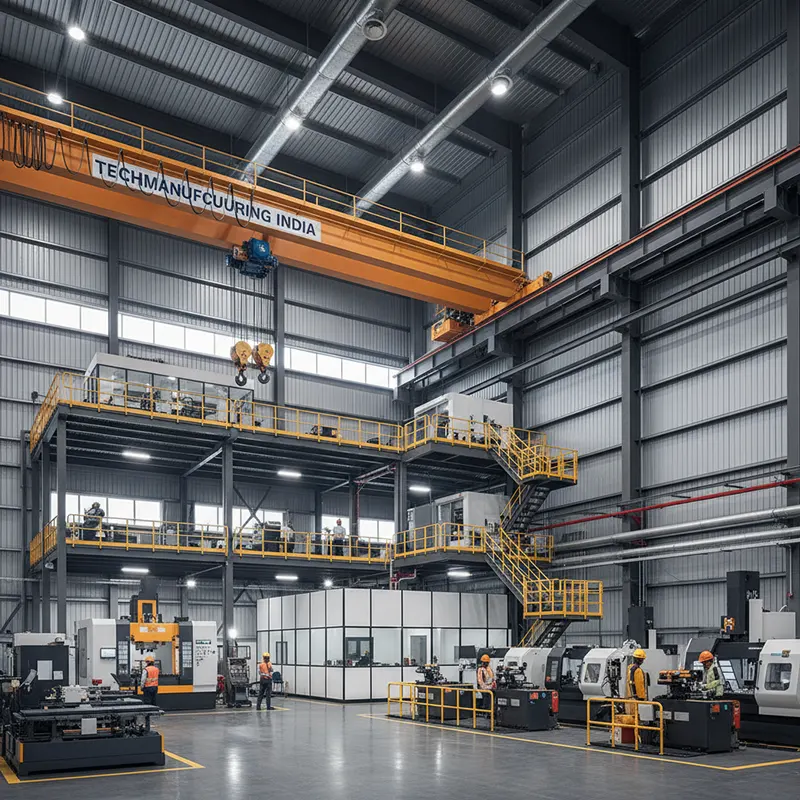
Total project costs for a 10,000 square foot industrial warehouse range from ₹25 lakhs (basic specification) to ₹2.5 crores (premium turnkey solution with all amenities). Construction timelines vary from 4-8 weeks for standard specifications to 6-10 weeks for complex premium facilities, still representing 50% time savings compared to conventional RCC construction.
Car parking shed costs divide into two primary categories based on structural systems. Tensile fabric parking sheds utilize PVC-coated fabric membranes stretched over metal frames, offering lightweight, aesthetically appealing solutions at ₹150-350 per square foot. A typical single-car parking shed (100-120 square feet) costs ₹15,000 to ₹42,000 for complete installation. Tensile structures feature quick installation timelines of 1-2 weeks and excel in residential and light commercial applications.
Material specifications significantly influence pricing within the tensile category. Basic 650 GSM PVC fabric systems cost approximately ₹150-200 per square foot, while premium 760-900 GSM fabrics with enhanced UV resistance and waterproofing range from ₹235-350 per square foot. The heavier fabrics offer superior durability with service lives exceeding 20 years under proper maintenance. Frame finishing options—standard paint versus powder coating—add ₹20-40 per square foot depending on specifications.
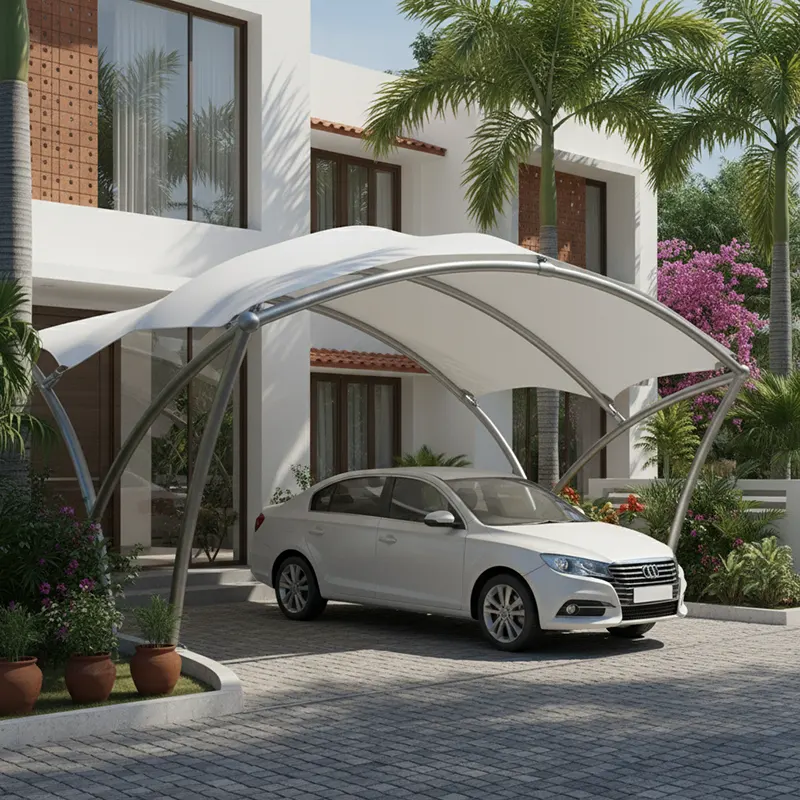
Metal frame parking sheds using steel structural systems with metal roofing cost ₹200-400 per square foot, providing greater structural stability and longer service life than tensile alternatives. These structures suit commercial parking facilities, multi-level parking applications, or locations with severe weather exposure requiring enhanced structural resistance. Construction timelines range from 2-3 weeks, depending on size and foundation requirements. Stainless steel frame options command premium pricing at the upper end of the range but eliminate corrosion concerns in coastal environments.

Rooftop sheds maximize existing building infrastructure by utilizing terrace spaces for additional storage or functional areas. Basic rooftop sheds cost ₹100-200 per square foot, offering economical solutions for simple storage applications or weather protection. These structures typically employ lightweight steel frames bolted to existing terrace structures, with basic corrugated metal or polycarbonate roofing. The reduced cost reflects the elimination of foundation expenses and simplified structural requirements compared to ground-level construction.
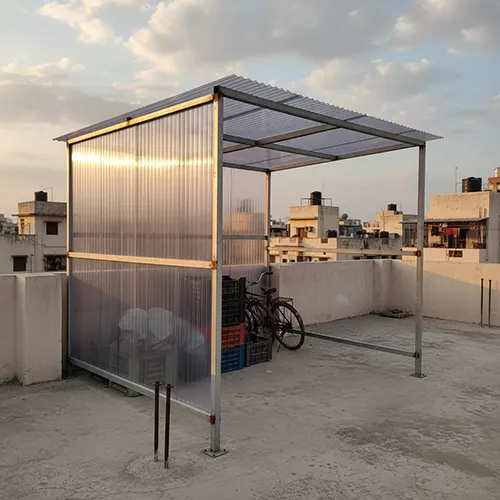
Insulated rooftop sheds incorporating PUF panels or double-layer roofing systems cost ₹190-300 per square foot, providing enhanced thermal comfort for workspace applications or temperature-sensitive storage. The insulation layer reduces heat transfer, making rooftop offices or workshops more comfortable without excessive air conditioning costs. A typical 100 square foot insulated rooftop shed costs approximately ₹19,000 to ₹30,000 for complete construction. These upgraded specifications suit applications like rooftop offices, artist studios, or storage of heat-sensitive
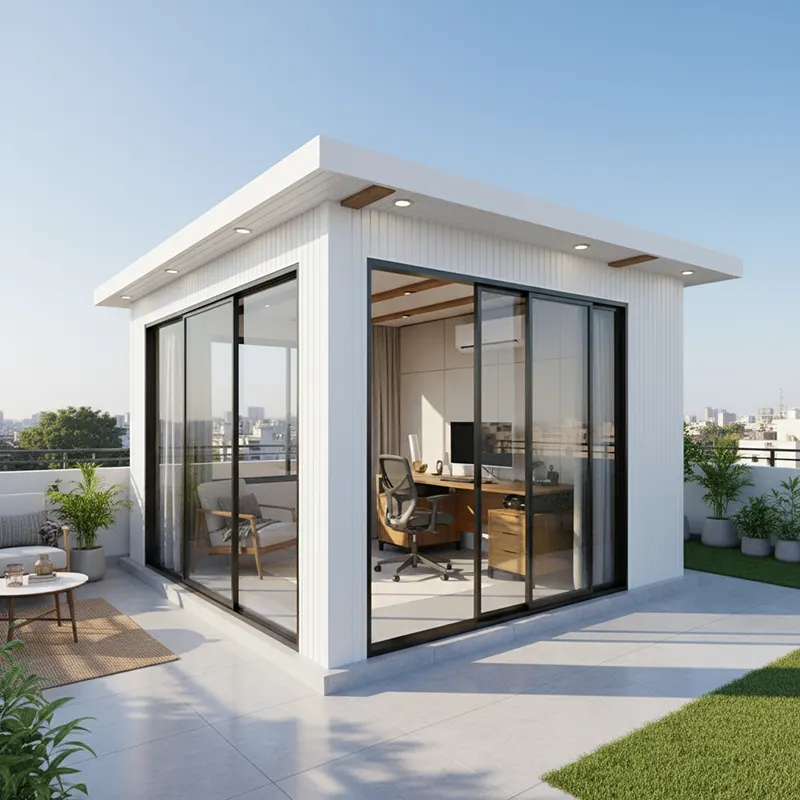
Installation timelines for rooftop sheds range from 1-3 weeks depending on complexity and access constraints. Key cost considerations include structural load capacity verification of the existing building, waterproofing integration with existing terrace drainage, and access logistics for material transport to upper floors. Buildings with inadequate structural capacity may require foundation reinforcement, potentially adding ₹50-100 per square foot to project costs. Proper engineering assessment before construction prevents costly structural failures and ensures compliance with building codes.
Selecting a qualified, experienced shed builder proves critical for project success, cost control, and long-term structural performance. The Indian market offers numerous contractors, but differentiating truly capable builders from inexperienced operators requires systematic evaluation.
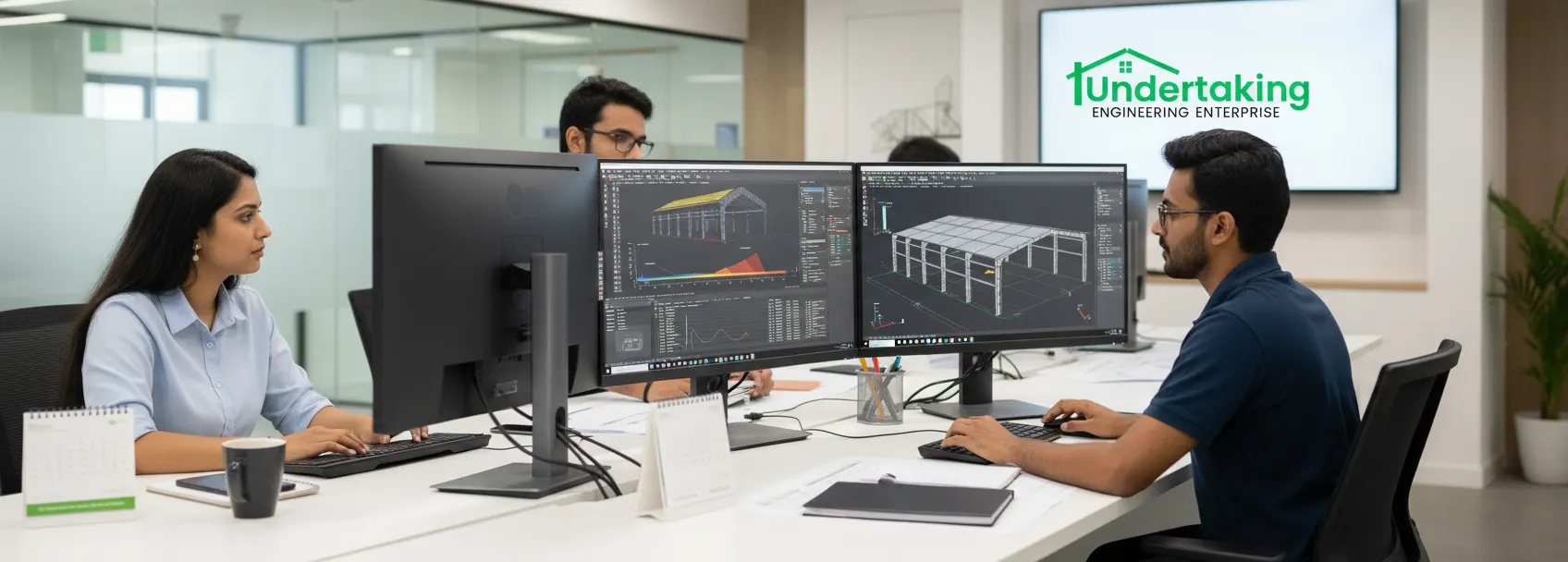
Technical expertise and engineering capability distinguish professional shed builders from general contractors. Reputable manufacturers maintain in-house design teams proficient in structural analysis software, load-bearing calculations, and CAD drafting. These capabilities ensure optimized designs that minimize material consumption while maintaining structural integrity and compliance with Indian Standards codes. Builders should demonstrate familiarity with wind load calculations, seismic design requirements, and soil-structure interaction principles relevant to the project location.
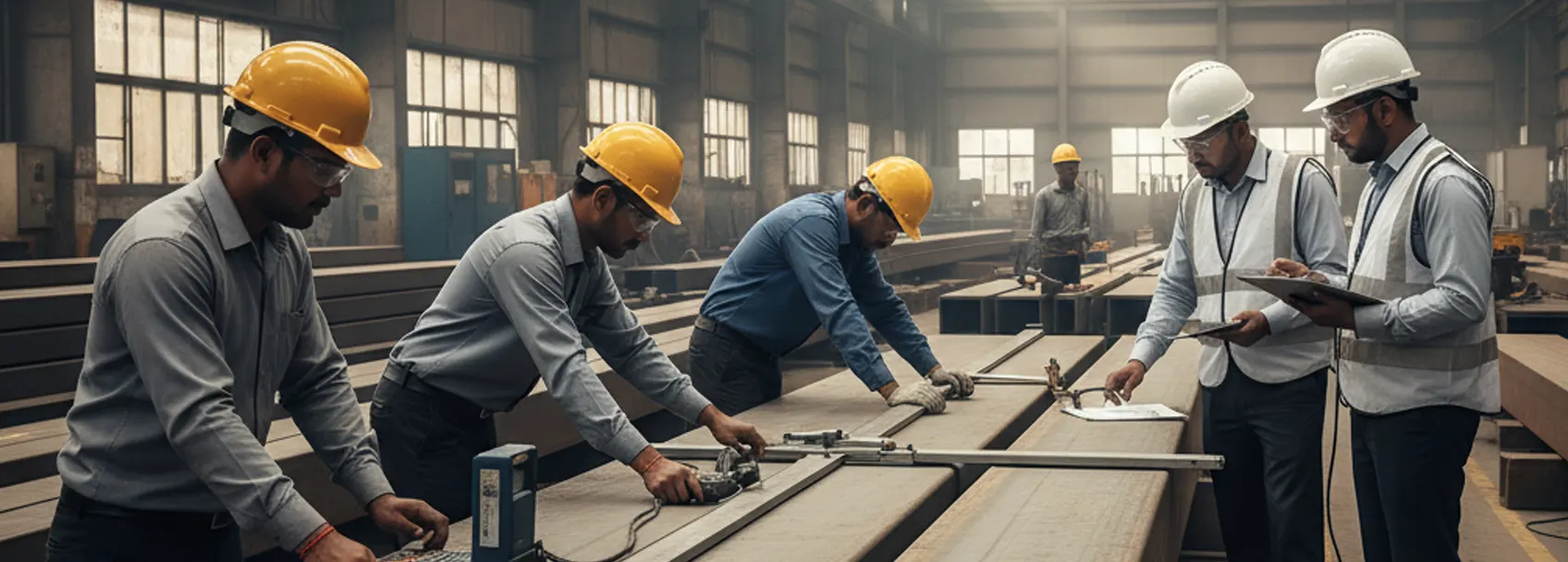
Quality materials and supplier relationships directly impact construction outcomes. Leading shed builders maintain established relationships with reputable steel suppliers, ensuring consistent material quality and competitive pricing. Verify that prospective builders source steel from recognized manufacturers like TATA, JSW, or similar quality brands. Quality-focused builders also implement multi-stage inspection protocols during fabrication and erection, catching defects before they compromise structural performance.
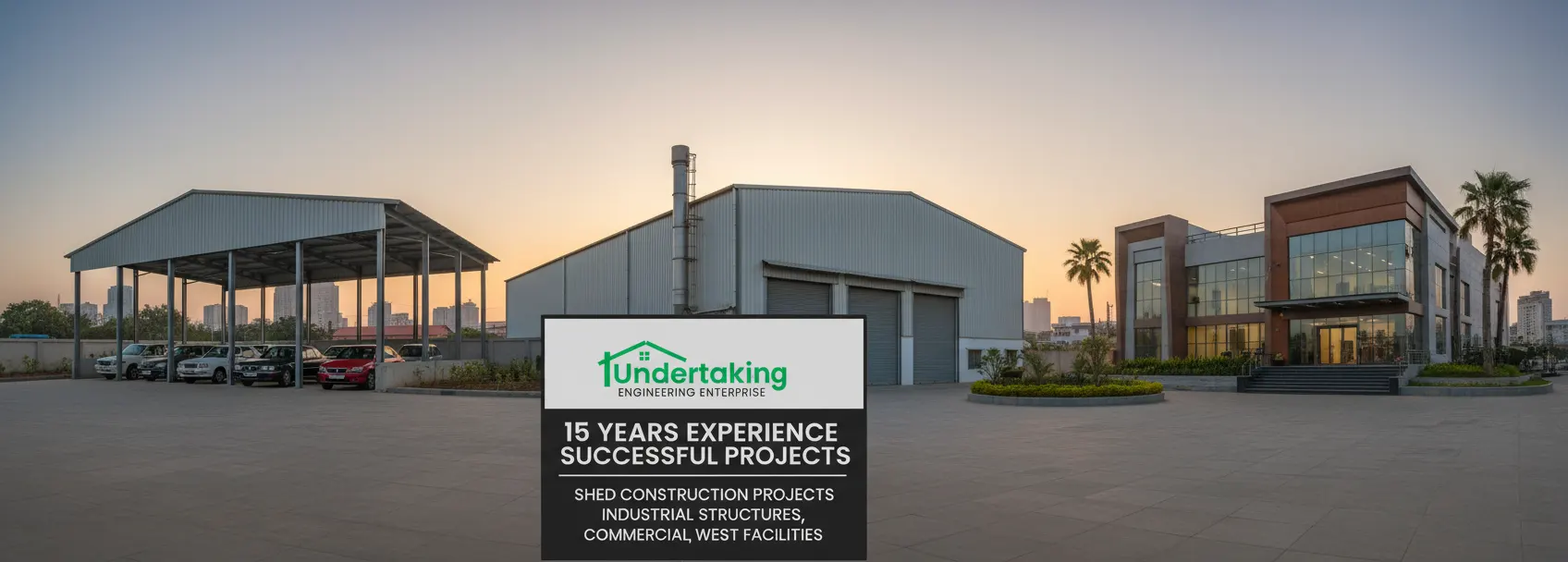
Project execution track record provides objective evidence of builder capability. Request portfolios showcasing completed projects similar to your requirements in scope, complexity, and application. Contact past clients directly to verify satisfaction with work quality, timeline adherence, and post-construction support. Builders with 10-15+ years of experience demonstrate business stability and accumulated expertise across diverse project types. Undertaking Engineering Enterprise exemplifies this standard with over 15 years of specialized experience delivering durable car sheds, industrial structures, and commercial facilities throughout Kolkata and West Bengal.
Comprehensive service offerings streamline project execution and accountability. Full-service builders offer integrated solutions that encompass design, fabrication, transportation, site erection, and finishing work. This turnkey approach eliminates coordination challenges between multiple subcontractors and establishes clear responsibility for project outcomes. Inquire about post-construction services, including maintenance support, warranty provisions, and expansion capabilities for future growth.
Certifications and compliance validate builder qualifications and regulatory adherence. Verify that prospective builders maintain current business registrations, GST compliance, and relevant industry certifications. Quality management system certifications like ISO indicate systematic quality control processes. Builders should also demonstrate familiarity with local building codes, environmental regulations, and permit acquisition procedures specific to your project location. In Kolkata and West Bengal, understanding municipal approval requirements and WBPCB environmental clearances prevents costly project delays.
Strategic questioning during builder evaluation reveals critical information for decision-making. Cost transparency and estimation methodology questions establish financial clarity upfront. Ask: “What specific items are included in your quoted price per square foot?” Comprehensive quotes should detail material specifications, labor scope, design services, transportation, erection, and finishing work. Inquire whether the quote includes civil foundation work, electrical installations, or if these represent additional costs. Understanding inclusion versus exclusion items prevents budget surprises during construction.
Request detailed material specifications: “What steel grade and thickness will be used for primary and secondary members?” and “What brand and specification of roofing sheets are included?”. Specific answers indicate builder professionalism, while vague responses suggest potential quality compromises. Ask about steel consumption per square foot—reputable builders provide estimates ranging from 3-6 kg/sq.ft. depending on design parameters. Significantly lower steel quantities may indicate under-designed structures prone to deflection or failure.
Timeline and project management questions assess execution capability. Inquire: “What is your typical timeline for a project of this size?” and “How do you handle construction delays due to weather or material shortages?”. Professional builders provide realistic timelines with milestone schedules and have contingency plans for common disruptions. Ask about their current workload: “How many projects are you simultaneously managing?” Overextended builders may struggle to provide adequate supervision and quality control across multiple sites.
Past performance verification questions validate builder claims. Request: “Can you provide references from three clients with projects similar to mine completed within the past two years?”. Contact these references directly asking about actual costs versus quotes, timeline adherence, structural quality, and responsiveness to issues during and after construction. Question warranty provisions: “What warranty do you provide on materials and workmanship?” and “How do you handle warranty claims?”. Standard warranties cover 1-2 years for workmanship and 5-10 years for structural integrity, depending on the materials used.
Technical capability assessment questions reveal engineering depth. Ask: “Do you perform in-house structural design or outsource to consultants?” and “Can you provide shop drawings and fabrication details before construction begins?”. In-house capabilities generally indicate more integrated quality control and faster response to field modifications. Inquire about their approach to site-specific challenges: “How do you address poor soil conditions?” or “What additional structural provisions are needed for our coastal location?”. Knowledgeable builders provide specific technical responses demonstrating environmental awareness and engineering adaptability.
The shed construction industry in India stands at an exciting crossroads in 2025, with technological innovation, sustainable practices, and cost-efficient building methods converging to deliver superior value for industrial, commercial, and residential applications.
Understanding shed construction cost per square feet requires comprehensive analysis of multiple cost drivers and project variables. Standard sheds range from ₹170 to ₹350 per square foot for basic to premium specifications, while industrial shed construction costs per square feet span ₹250 to ₹2,500, depending on scale and complexity. Car parking sheds offer economical solutions at ₹150-400 per square foot, and rooftop installations provide space-efficient alternatives at ₹100-300 per square foot.
Material selection accounts for 60-65% of total costs, with steel quality, roofing specifications, and finishing materials significantly impacting both immediate expenses and long-term performance. Labor costs contribute 25-30% of project budgets, varying by region and construction complexity. Location factors, including site conditions, accessibility, and regional cost indices, create price variations of 30-40% across Indian cities, with Kolkata representing a moderate-cost environment compared to premium metros like Mumbai.
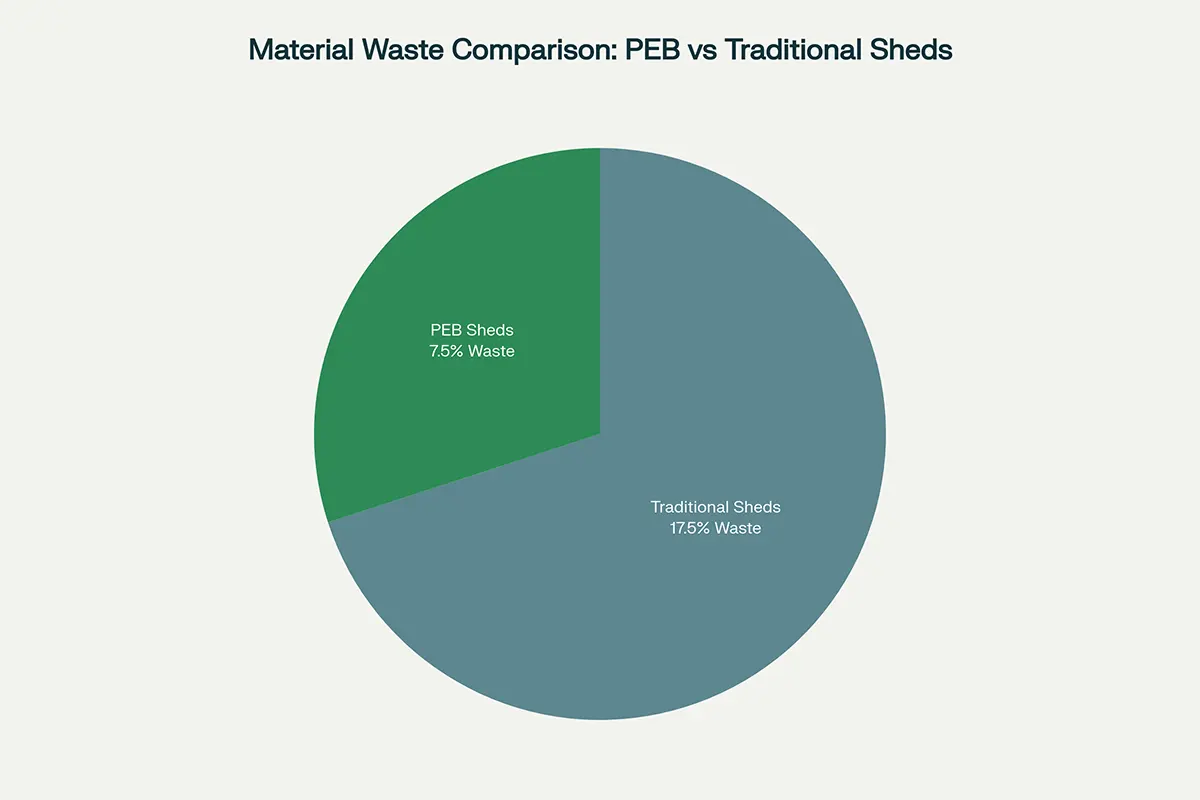
PEB construction technology delivers substantial advantages over traditional RCC methods, including 30-60% faster construction timelines, 20-30% cost savings, superior design flexibility, and enhanced durability with 40-50 year service lives. The environmental benefits of recyclable steel construction and minimal waste generation align with India’s sustainability goals and green building initiatives.
Selecting qualified shed builders requires systematic evaluation of technical expertise, material quality standards, execution track records, and service comprehensiveness. Undertaking Engineering Enterprise exemplifies these standards with over 15 years of specialized experience delivering premium shed installations throughout Kolkata and West Bengal, from durable car parking structures to comprehensive commercial and industrial facilities.
The shed construction landscape in 2025 and beyond will be shaped by several transformative trends influencing both costs and capabilities. Sustainability and green building compliance are becoming non-negotiable requirements rather than optional features. Government policies including the Energy Conservation Building Code (ECBC) mandate higher energy efficiency standards for commercial buildings, while tax benefits incentivize LEED and GRIHA certified structures. These regulations will drive increased adoption of cool roof coatings, solar integration, rainwater harvesting, and energy-efficient insulation systems, potentially adding 10-15% to immediate costs while delivering long-term operational savings.
Technological integration through Building Information Modeling (BIM), artificial intelligence-driven structural optimization, and IoT-based monitoring systems enhances design accuracy and construction efficiency. AI-powered load analysis optimizes steel consumption, potentially reducing material costs by 8-12% while maintaining structural performance. Smart building technologies integrated during construction—automated lighting controls, energy management systems, environmental sensors—add upfront costs but deliver substantial operational savings over building lifespans. These technologies will become standard features in premium industrial and commercial sheds by 2026-2027.
Advanced sustainable materials are entering mainstream construction markets, offering enhanced performance with reduced environmental impact. Fly ash bricks, recycled steel, bamboo products, and innovative biocomposite materials like hempcrete provide alternatives to conventional materials while addressing waste management and carbon footprint concerns. As production scales increase and supply chains mature, these materials will achieve cost parity with traditional options while delivering superior sustainability profiles.
Modular and prefabricated construction methods will dominate the shed construction market, with the Indian PEB market projected to maintain 5%+ annual growth through 2028. Factory fabrication reduces site labor requirements, improves quality control through controlled manufacturing environments, and accelerates construction timelines. These efficiency gains translate into continued cost competitiveness for PEB systems compared to traditional construction, particularly as labor costs rise in urban areas.
Regional cost dynamics will continue evolving as infrastructure development spreads to tier-2 and tier-3 cities. The PM Gati Shakti initiative and Smart Cities Mission are improving connectivity and material availability in secondary markets, potentially moderating cost differentials between major metros and emerging industrial zones. Kolkata and West Bengal stand to benefit from these infrastructure investments, potentially stabilizing or slightly reducing construction cost premiums compared to 2024 baselines.
For businesses and property owners planning shed construction projects in 2025 and beyond, partnering with experienced, quality-focused builders like Undertaking Engineering Enterprise ensures project success through technical expertise, material quality, and comprehensive execution capabilities. With over 15 years of proven performance delivering car sheds, industrial facilities, and commercial structures throughout Kolkata, we provide the reliability and professionalism that complex construction projects demand. Contact us today to discuss your shed construction requirements and receive detailed cost estimates tailored to your specific project parameters.
Premium standard sheds incorporating enhanced materials, better finishes, and improved weather protection range from ₹250 to ₹350 per square foot. These structures feature galvanized steel frameworks, color-coated roofing sheets, and potentially basic insulation. A 10×12 shed (120 square feet) in this category costs approximately ₹30,000 to ₹42,000 for complete construction. Construction timelines for standard sheds range from 2-4 weeks depending on size and complexity, significantly faster than traditional masonry structures.