
Your vehicle is one of your most significant investments, and protecting it from harsh weather conditions should be a priority. Whether you’re facing intense Indian summers, monsoon rains, or dust storms, a well-designed home car parking shed provides the perfect solution. This comprehensive guide will walk you through everything you need to know about selecting, designing, and installing the ideal parking shed for your home. From understanding material options to navigating local regulations, we’ve covered all the essential information to help you make an informed decision that adds both value and functionality to your property.
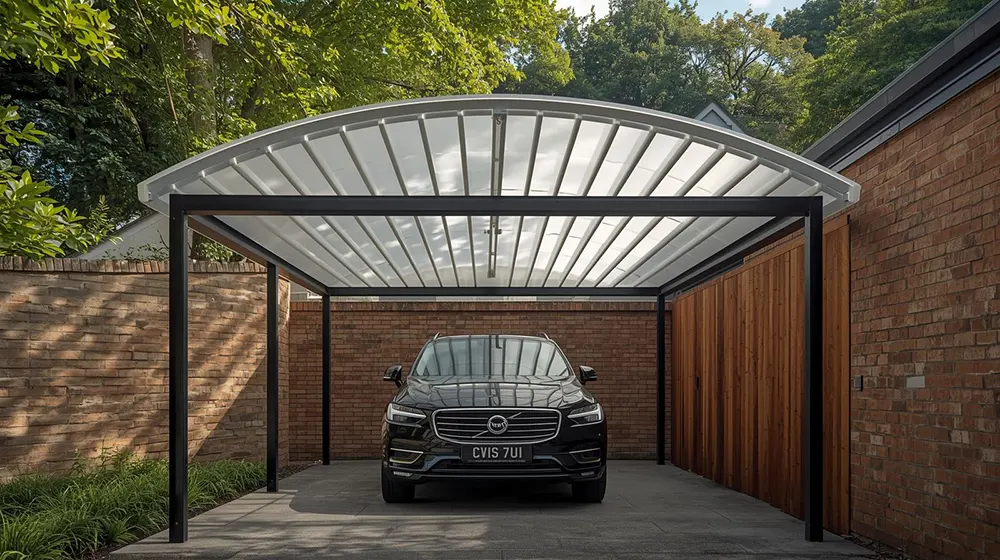
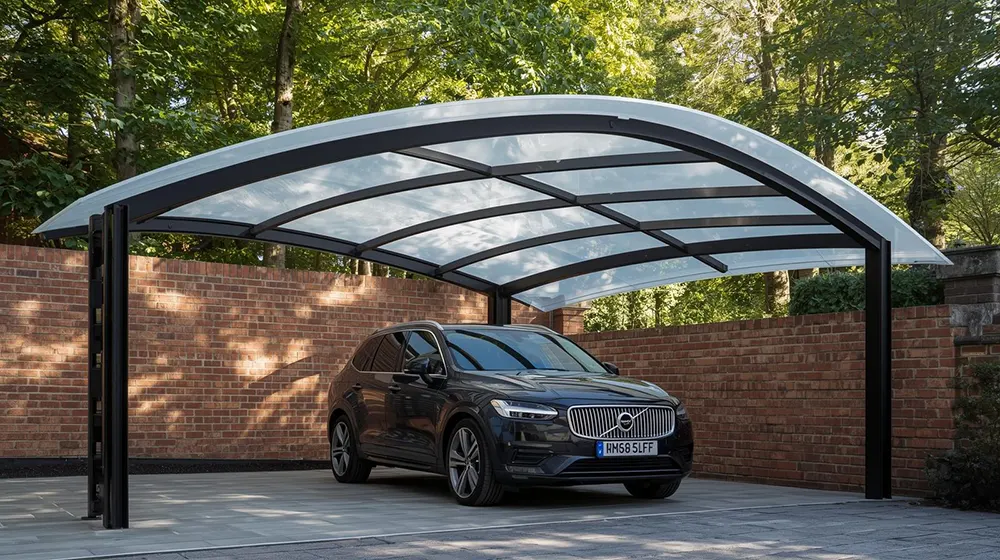
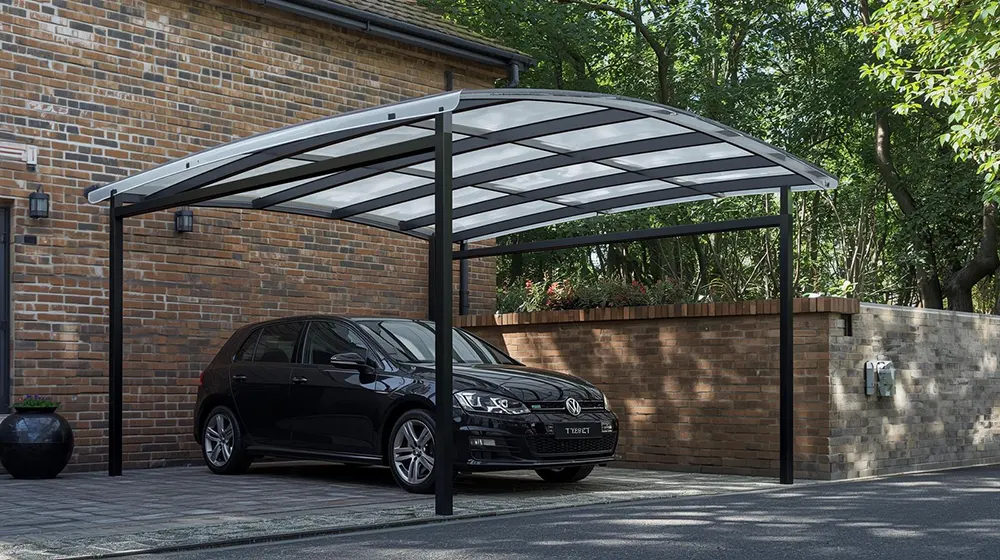
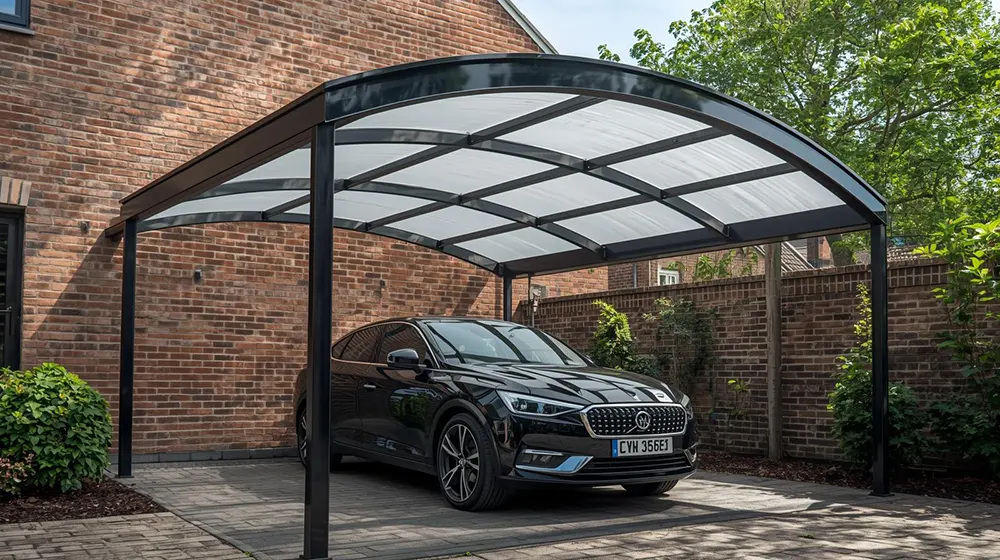
Your car’s exterior is constantly exposed to environmental stressors that can significantly impact its longevity and resale value. UV radiation from the sun fades paint finishes, damages interior upholstery, and deteriorates rubber components like seals and gaskets. In Indian climate conditions, where summer temperatures frequently exceed 40°C, prolonged sun exposure can cause dashboard cracking and battery degradation. A quality car parking shed eliminates direct sun exposure, maintaining your vehicle’s exterior aesthetics and extending its lifespan by years.
Beyond visible damage, UV exposure degrades critical vehicle components invisible to the naked eye. Rubber seals around doors and windows become brittle and lose their water-repelling properties, leading to interior moisture accumulation and electrical malfunctions. Paint protection is particularly important in resale value maintenance—vehicles with intact paint finish command 15-20% higher prices in the used car market compared to sun-damaged vehicles of identical make and model.
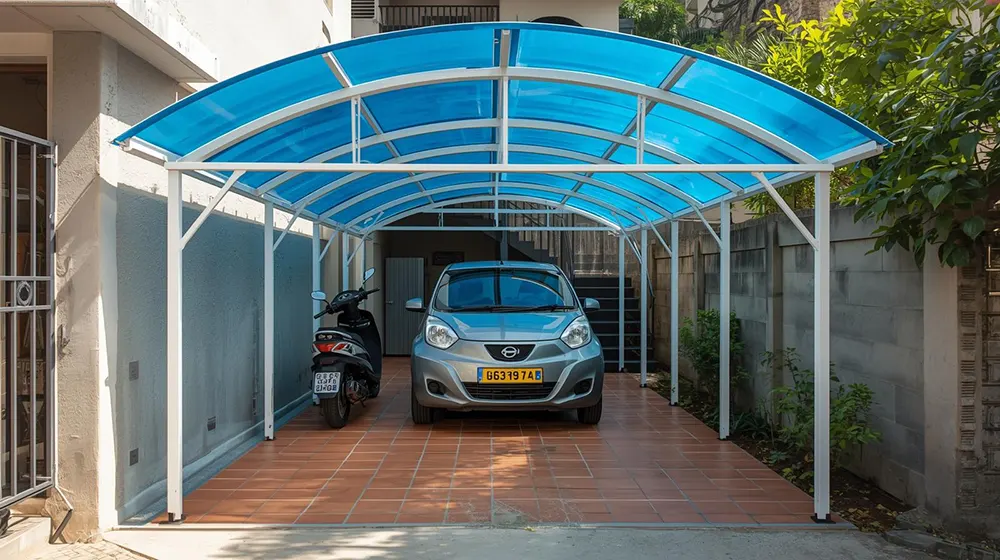
Monsoon and seasonal rainfall present additional challenges for vehicle owners across India. Heavy rains lead to water accumulation in door cavities, rust formation on metal components, and corrosion of electrical connections. Water entering through seals can cause short circuits, battery corrosion, and interior mildew development. A properly designed shed with adequate slope and drainage prevents water pooling and protects against moisture-related damage. The constant wet environment during monsoon seasons creates conditions for fungal growth inside vehicles, leading to musty odors and potential health concerns.
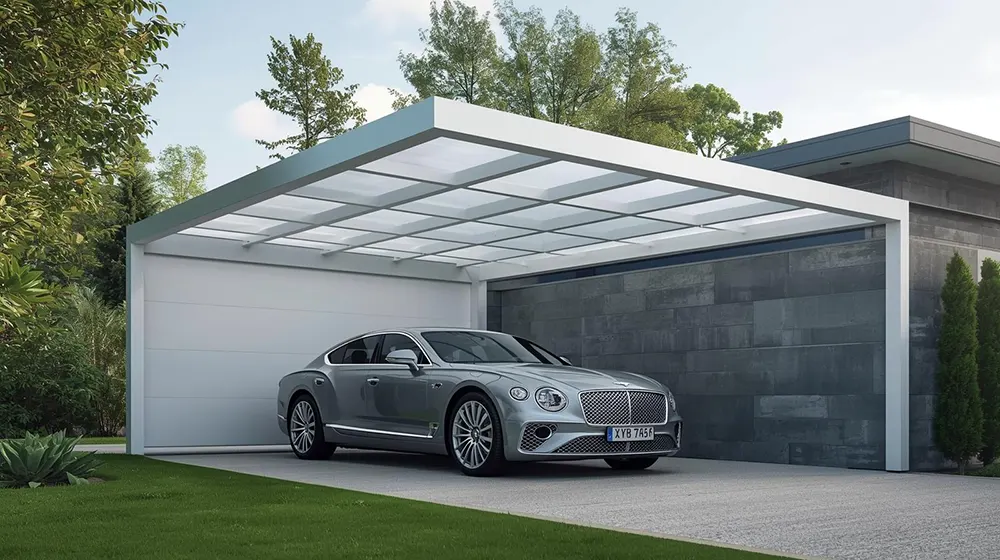
Beyond rainfall, falling debris such as leaves, branches, bird droppings, and pollen can scratch paint and require costly refinishing. In urban environments, airborne pollutants and industrial particles settle on vehicle surfaces, creating abrasive layers that accelerate paint degradation when cleaned. A protective shed eliminates these cumulative exposures, preserving your vehicle’s appearance and structural integrity
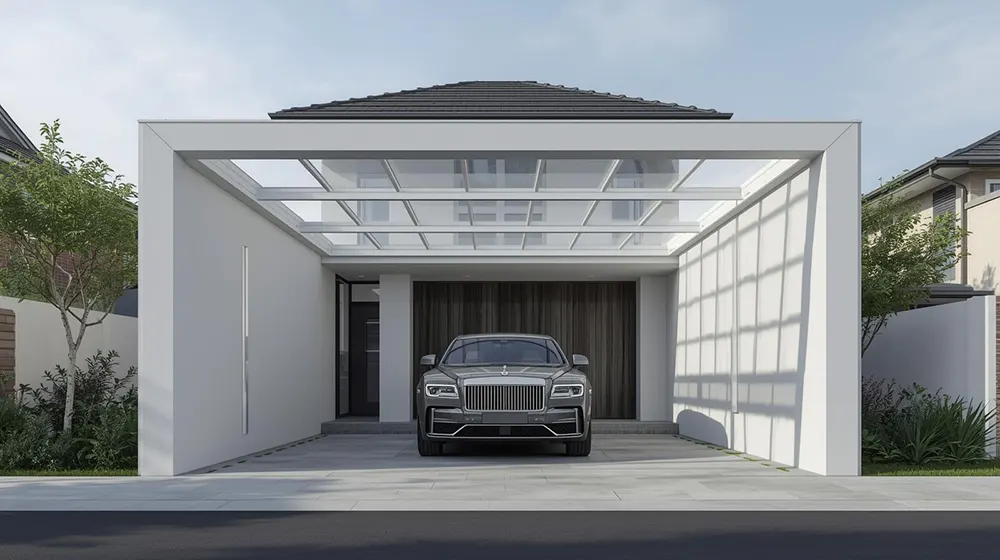
Monsoon and seasonal rainfall present additional challenges for vehicle owners across India. Heavy rains lead to water accumulation in door cavities, rust formation on metal components, and corrosion of electrical connections. Water entering through seals can cause short circuits, battery corrosion, and interior mildew development. A properly designed shed with adequate slope and drainage prevents water pooling and protects against moisture-related damage. The constant wet environment during monsoon seasons creates conditions for fungal growth inside vehicles, leading to musty odors and potential health concerns.
Beyond rainfall, falling debris such as leaves, branches, bird droppings, and pollen can scratch paint, requiring costly refinishing. In urban environments, airborne pollutants and industrial particles accumulate on vehicle surfaces, forming abrasive layers that accelerate paint degradation when the vehicle is cleaned. A protective shed eliminates these cumulative exposures, preserving your vehicle’s appearance and structural integrity.
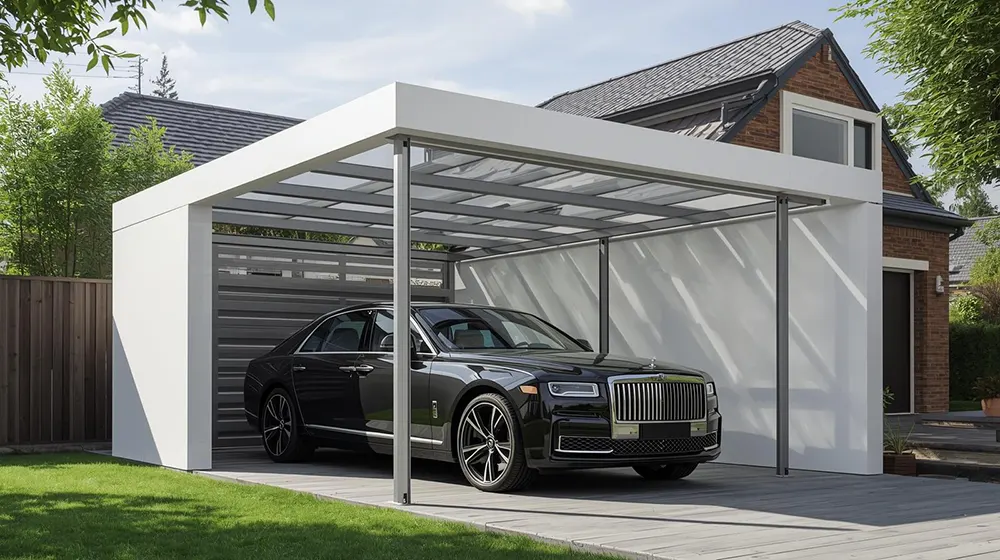
Temperature regulation benefits extend beyond aesthetic preservation. Vehicles parked in shaded areas remain significantly cooler, reducing strain on air conditioning systems and improving fuel efficiency. Studies indicate that shaded parking reduces interior temperatures by 12-18°C compared to direct sun exposure, translating to 20-30% reduced fuel consumption when air conditioning is used. This temperature control also protects tire integrity, as extreme heat causes rubber degradation and increases blowout risks, particularly in high-speed highway driving, where tire pressure increases further
Real estate professionals consistently note that functional outdoor structures enhance property appeal to potential buyers. A well-maintained car parking shed adds approximately 5-10% to property value by providing a visible, practical improvement. When marketing your home, a professional carport demonstrates property maintenance and attention to detail, influencing buyer perception positively. Properties with covered parking consistently receive more inquiries and close at faster rates than comparable properties without such amenities.
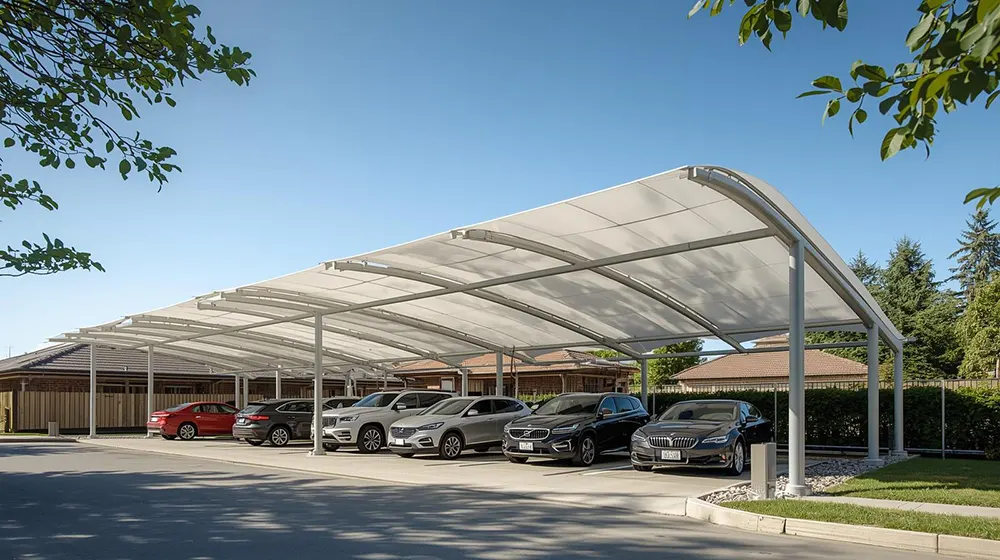
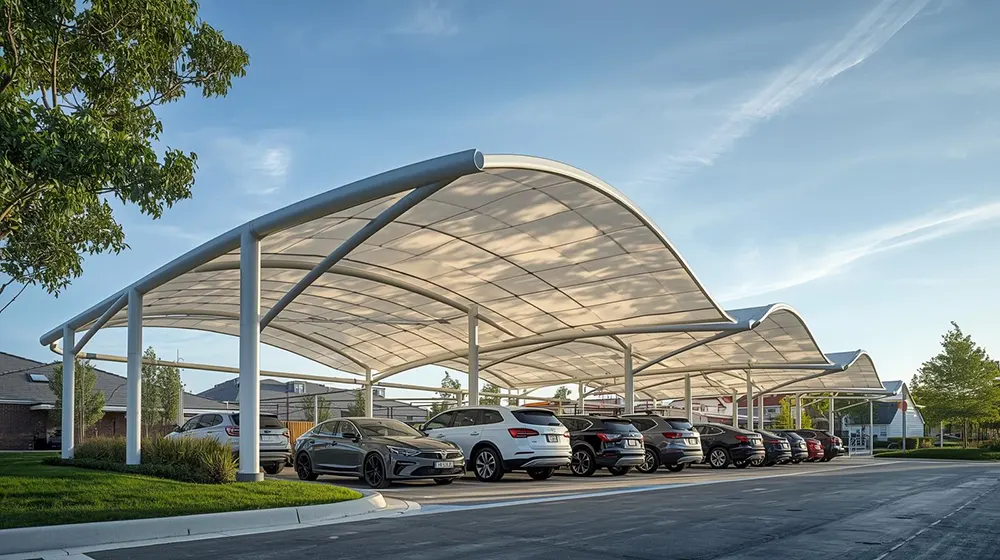
The shed creates additional usable space that extends your property’s functional area without consuming built-up floor area, which is particularly valuable in urban Indian homes where space comes at a premium. This multipurpose space can serve as a covered parking area, storage zone, outdoor entertainment space, or workshop area. Real estate valuation professionals recognize covered parking as a functional space addition, increasing property assessed value even though it’s technically “open-sided” construction. In competitive real estate markets, properties with carports attract premium pricing from families with multiple vehicles
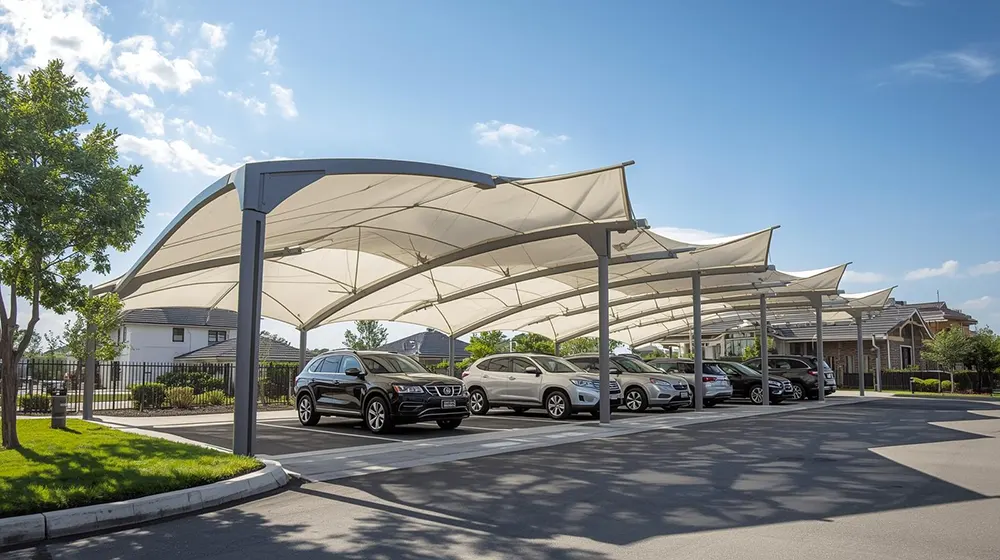
From an investment perspective, car parking sheds represent relatively modest capital expenditure compared to enclosed garage construction. Where a complete garage costs ₹4-6 lakhs, a quality carport costs ₹50,000-1,00,000, yet provides comparable functional benefits at a fraction of the cost. This favorable cost-to-benefit ratio makes carports attractive to property buyers evaluating value propositions
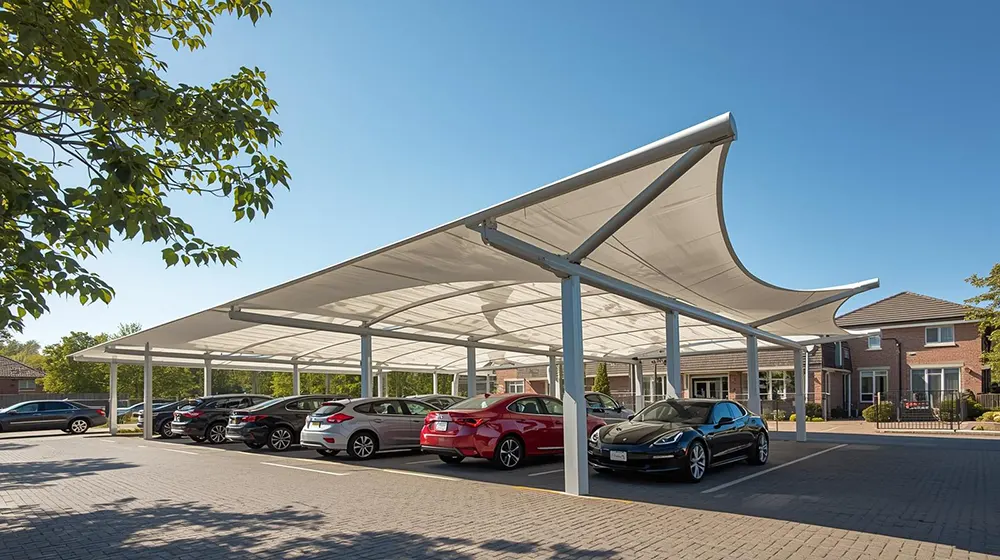
A thoughtfully designed car parking shed significantly improves your home’s aesthetic presentation. Modern designs featuring clean lines, contemporary materials, and integrated landscaping create a finished, sophisticated appearance. The shed frames your property entrance, and quality construction signals to visitors that the home is well-maintained throughout. First impressions influence property valuations, neighborhood perception, and daily satisfaction with your residential environment.
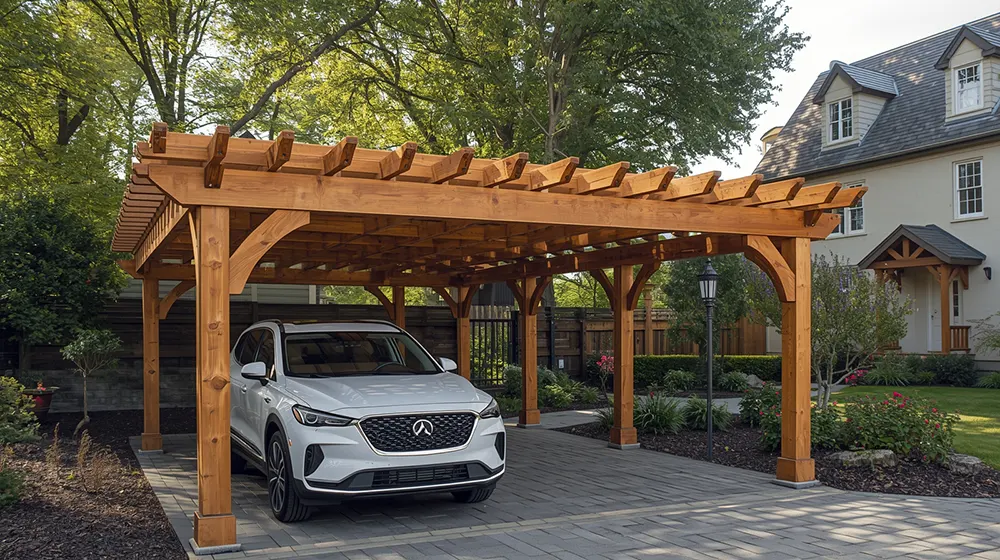
The choice of materials and design style can harmonize with your home’s architecture, whether traditional, contemporary, or transitional. Proper integration with existing structures creates visual continuity rather than appearing as an afterthought addition. A polycarbonate carport complementing contemporary home aesthetics, or a wooden pergola supporting traditional architecture, demonstrates intentional design rather than expedient construction. This thoughtful integration increases property appeal and buyer perception of quality and care.
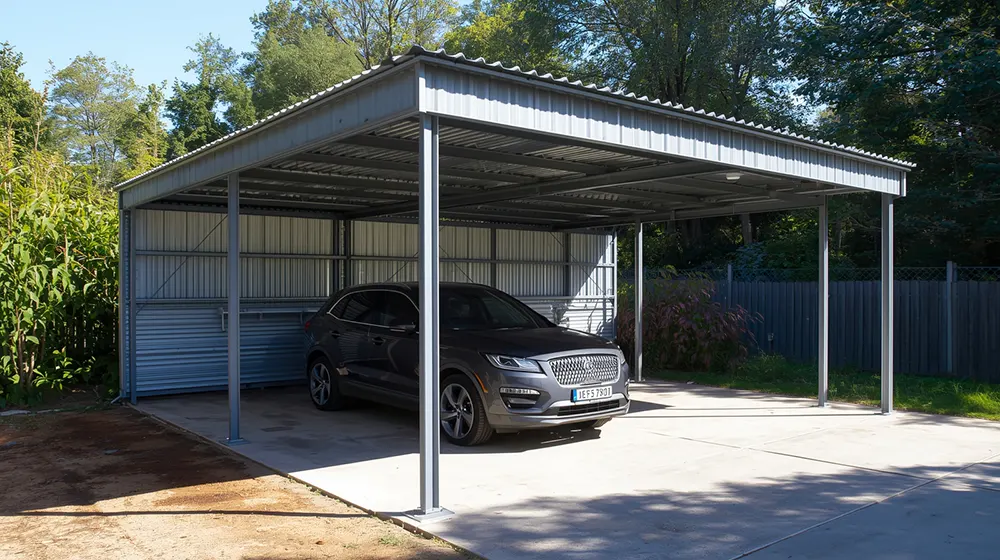
Proper positioning and finishing also improve the overall streetscape composition. A well-designed carport occupies visual space without appearing cluttered or utilitarian. Professional finishing touches—appropriate color selection, landscaping integration, lighting design—elevate the carport from functional structure to architectural element. These refinements create a neighborhood-standard compliant additions that enhance rather than detract from property presentation.
Before committing to any design, precise space measurement is essential. Single-car sheds typically require minimum dimensions of 10×20 feet (approximately 3m×6m), while double-car structures need approximately 20×20 feet (6m×6m). However, practical functionality demands additional clearance for door opening and vehicle entry/exit without maneuvering. Standard recommendations include adding 2-3 feet (0.6-1m) on all sides for comfortable access and mirror clearance.
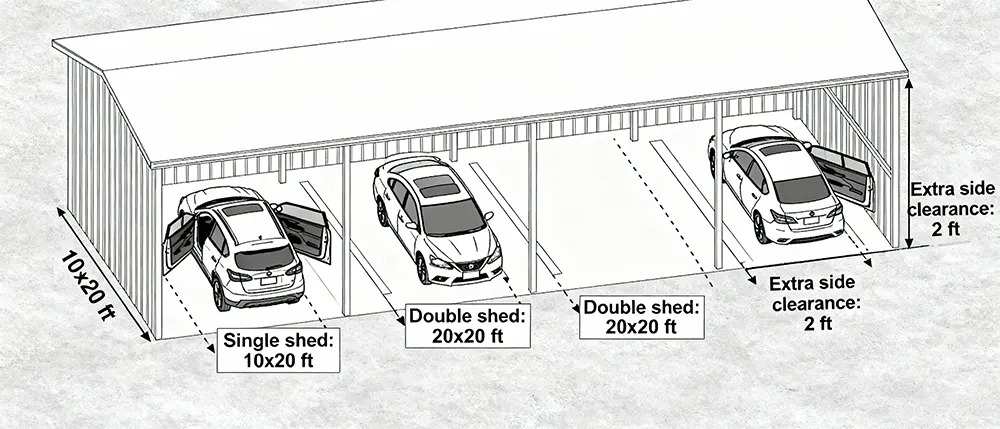
Measure from existing structures, property boundaries, and utility lines to ensure compliance with setback requirements and avoid conflicts with underground services like water, electrical, or drainage lines. Many property development issues arise from inadequate initial measurement, requiring expensive modifications or removal after construction. Professional surveyors can conduct detailed site assessments for ₹2,000-4,000, ensuring accurate information upon which to base design decisions.
Foundation preparation significantly impacts long-term durability. Assess your soil type, drainage patterns, and existing structures. Clay-heavy soils require better drainage solutions and more robust foundations to prevent settling and misalignment. Rocky terrain may facilitate post-installation but can complicate trenching for drainage solutions. Understanding your property’s natural water flow prevents future waterlogging issues. In monsoon regions, observe how water flows across your property during heavy rains to identify optimal positioning that directs water away from the parking area rather than creating localized flooding.
Car parking shed costs in India vary dramatically by material and complexity. Basic single-car structures with corrugated metal sheets and simple framing range from ₹25,000 to ₹50,000, making them accessible to most homeowners. Mid-range polycarbonate designs typically cost ₹50,000 to ₹80,000, offering superior durability and aesthetics. Premium tensile fabric structures with extensive customization can reach ₹1,00,000 or more, representing a significant but justifiable investment for those prioritizing design and longevity.
Beyond initial construction, ongoing maintenance costs deserve consideration. Metal structures require periodic rust treatment and repainting (₹3,000-₹8,000 annually). Polycarbonate panels need cleaning and occasional replacement of damaged sections (₹1,000-3,000 every 3-5 years). Wooden structures demand annual waterproofing and pest treatments (₹2,000-5,000 yearly). Understanding these long-term expenses prevents budget surprises and enables accurate investment comparison across material options
Calculate total cost-of-ownership by adding initial construction, estimated annual maintenance, and projected replacement expenses amortized across the material’s lifespan. A polycarbonate carport costing ₹65,000 initially with ₹2,000 annual maintenance over a 15-year lifespan, totals ₹95,000 divided across 15 years (₹6,333 annually). A corrugated metal structure costing ₹35,000 with ₹3,000 annual maintenance over a 10-year lifespan totals ₹65,000 across 10 years (₹6,500 annually), suggesting comparable true costs despite different initial prices.
Building regulations in Indian municipalities vary significantly. While many local authorities permit temporary structures without formal approval, permanent installations may require building permits or no-objection certificates (NOC). Contact your municipal corporation or town planning office to understand specific requirements for your area. Municipal websites often provide downloadable checklists and application forms, streamlining the approval process. Proceeding without required approvals risks demolition orders and financial penalties.
Housing society regulations are particularly important for apartment dwellers and gated community residents. Most societies’ bye-laws classify open parking areas as common property, requiring general body approval for structural additions. Even if your society permits temporary sheds, documentation and written approval protect you from future disputes or removal notices. Seek written approval from society management before proceeding with construction, maintaining copies for your records.
Height restrictions exist in many localities to maintain visual uniformity and prevent obstruction of neighboring properties. Standard regulations limit structures to 3-4 meters in height. Setback requirements typically mandate maintaining specified distances from property boundaries, usually 1-2 meters, depending on local norms. Violating these regulations can result in removal orders and financial penalties, making pre-construction verification essential.
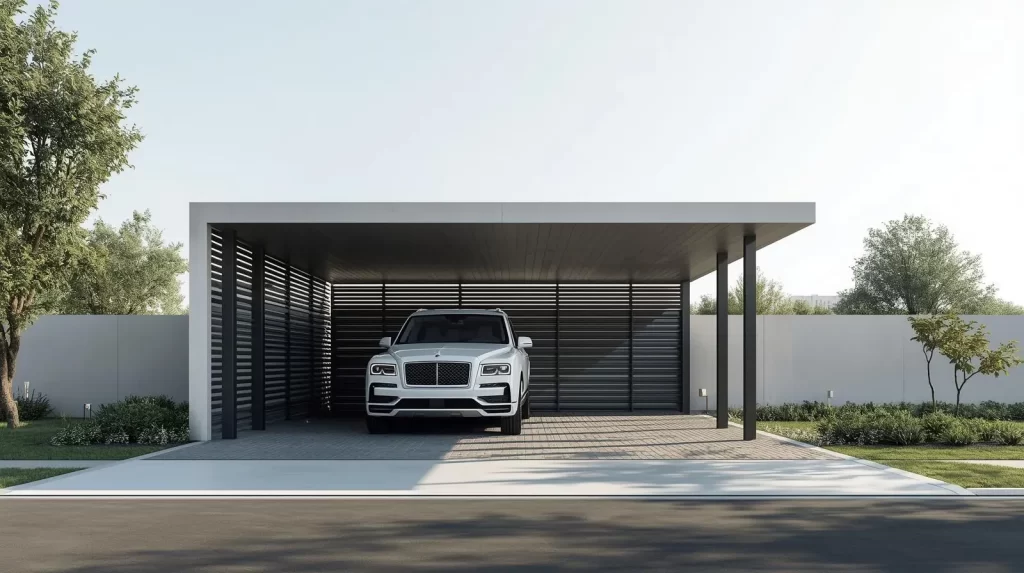
Contemporary design philosophy emphasizes clean geometry and minimalist aesthetics. Cantilever designs extend roof coverage without front support pillars, creating an elegant, uncluttered appearance ideal for modern architecture. These designs feature horizontal lines, flat roofs, and integrated lighting, seamlessly complementing homes with contemporary styling. The absence of front posts maximizes usable space and creates visual lightness despite the structure’s functional purpose.
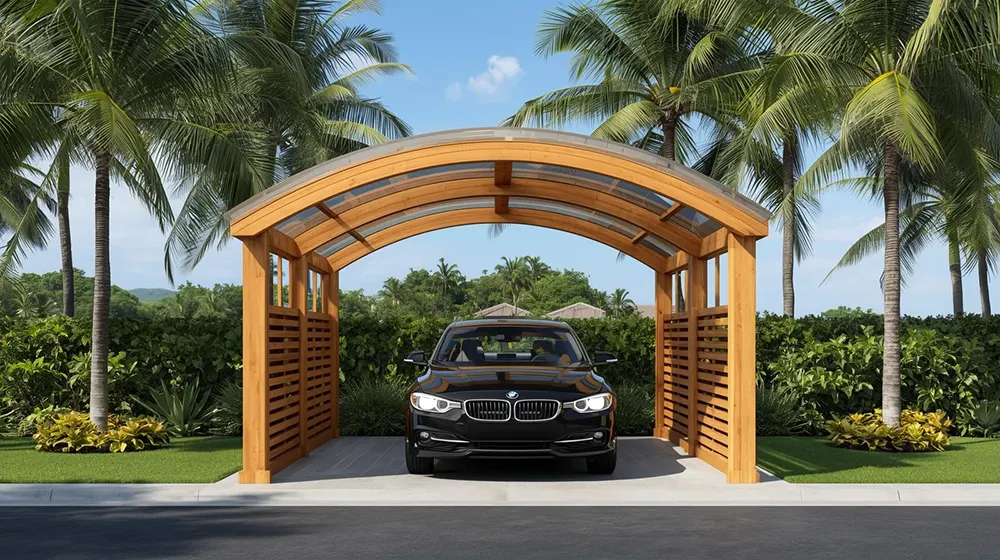
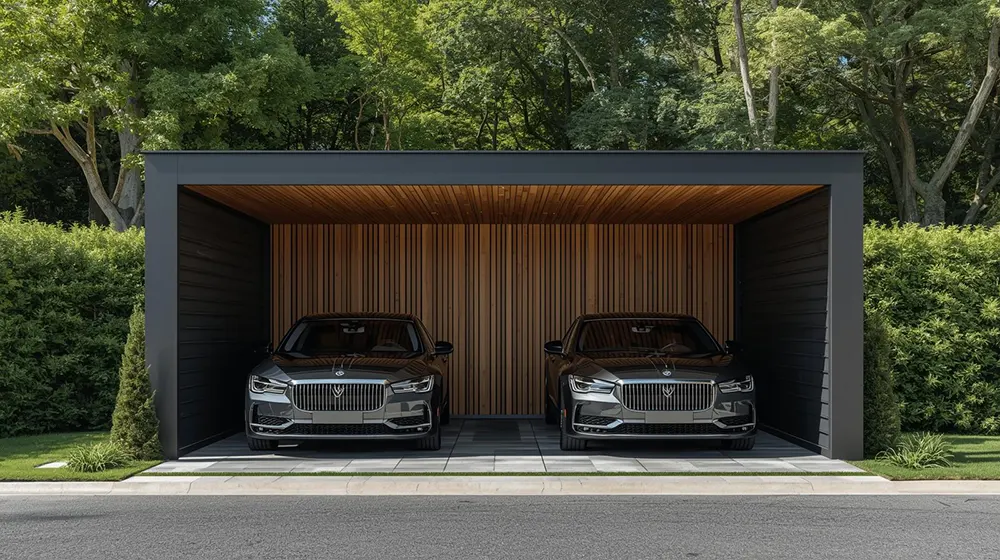
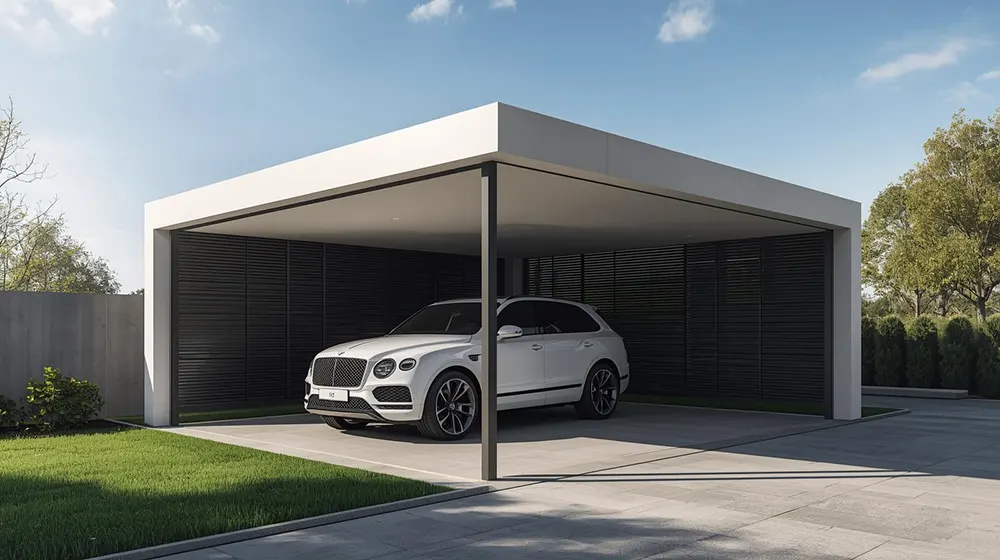
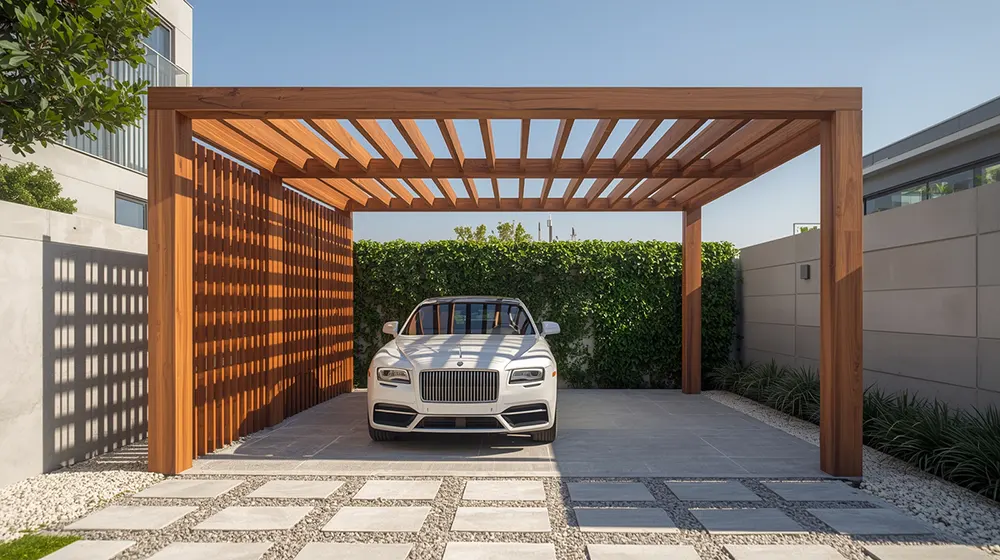
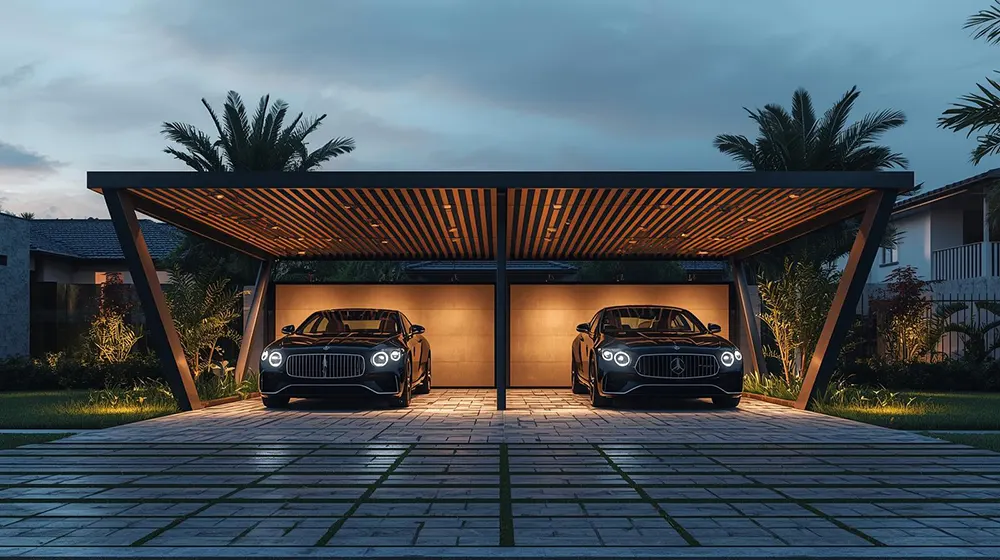
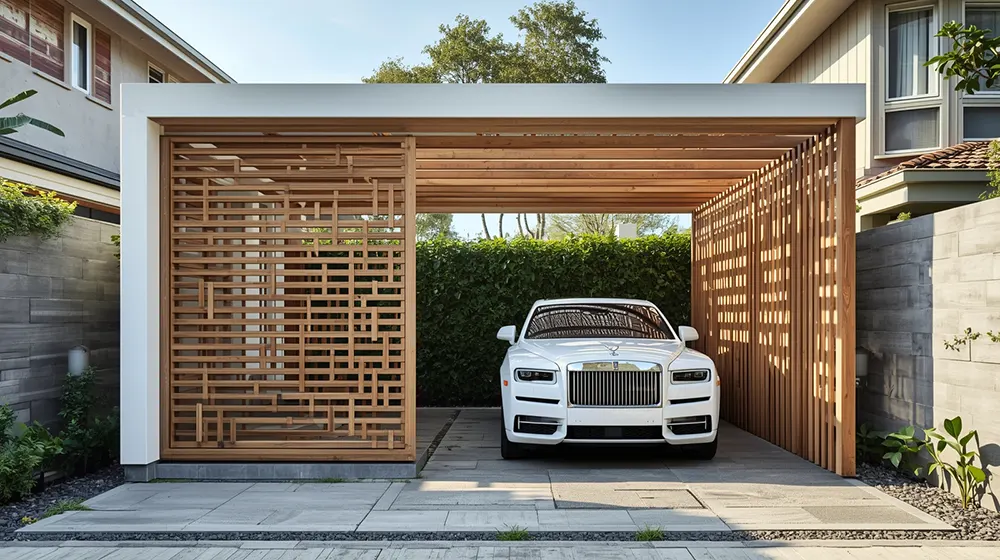
Material choices for modern designs include polycarbonate panels (offering light transparency and sleek appearance) and tensile fabric structures (providing sculptural elegance). Steel or aluminum frames finished in neutral colors—black, white, or natural metal—enhance the contemporary aesthetic. LED lighting integration with motion sensors or scheduled programs adds functional sophistication. These designs typically cost ₹400-₹600 per square foot due to precision engineering and material quality.
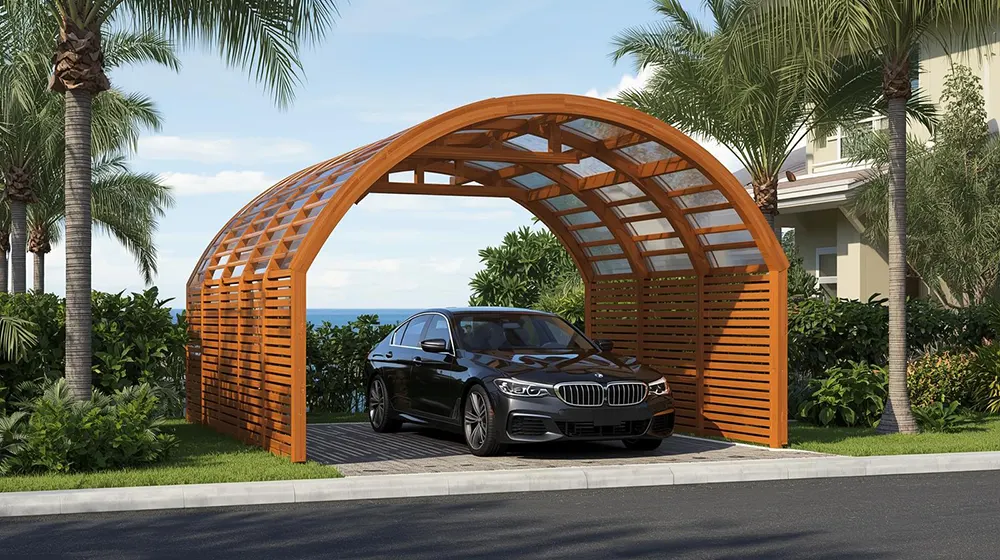
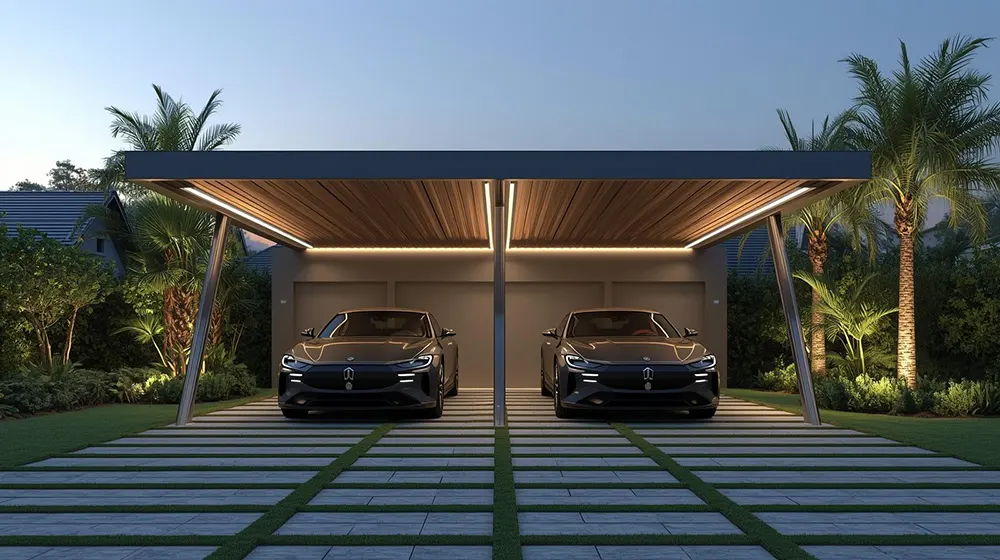
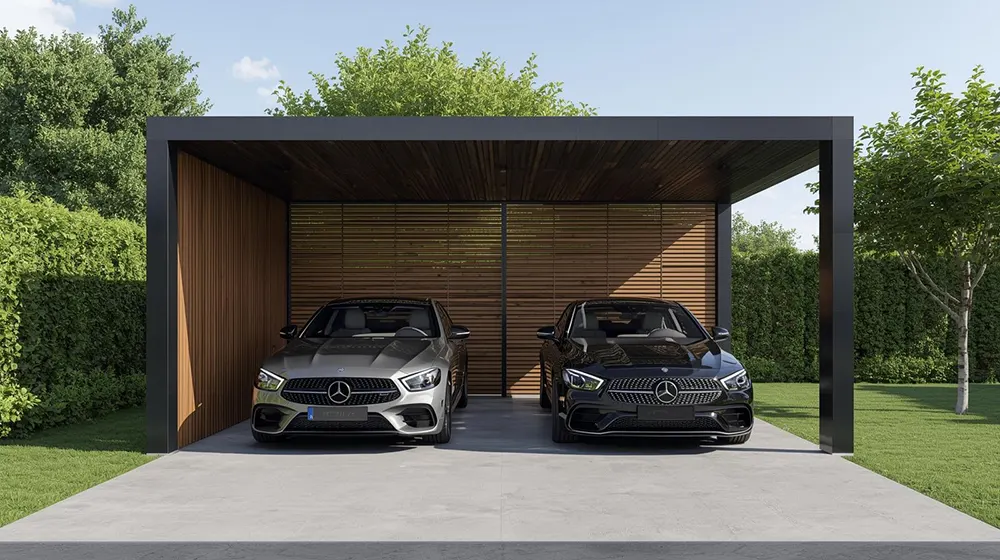
Modern carports often incorporate integrated landscape design with planters, vertical gardens, or climbing plants, creating green space integration. Permeable paving beneath parking areas supports drainage while maintaining visual sophistication. These added elements increase initial costs by 10-15% but significantly enhance aesthetic appeal and property value
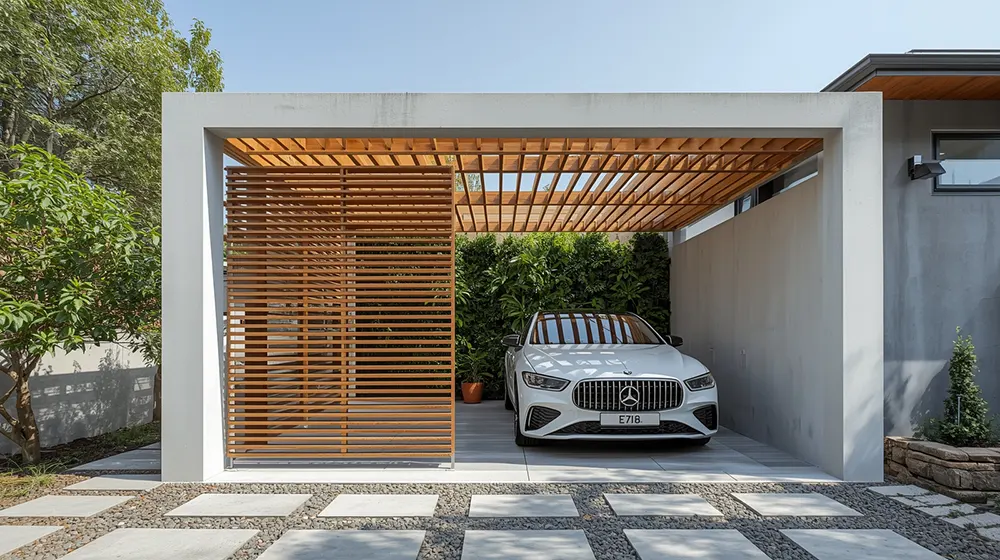
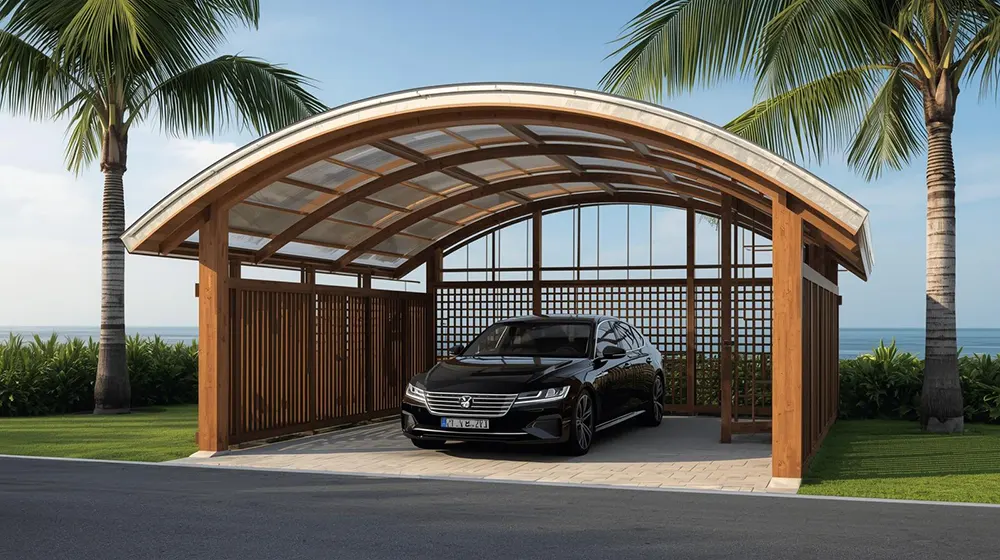
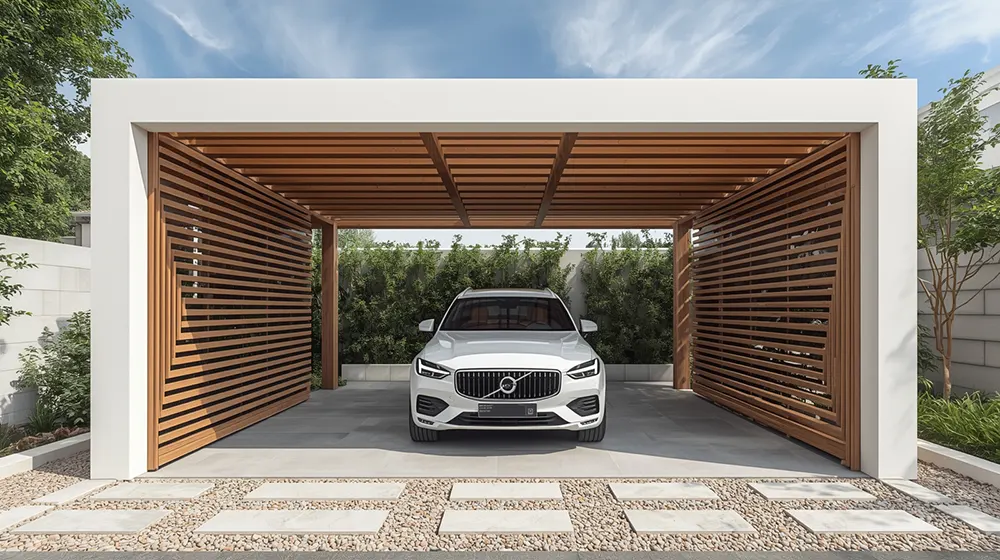
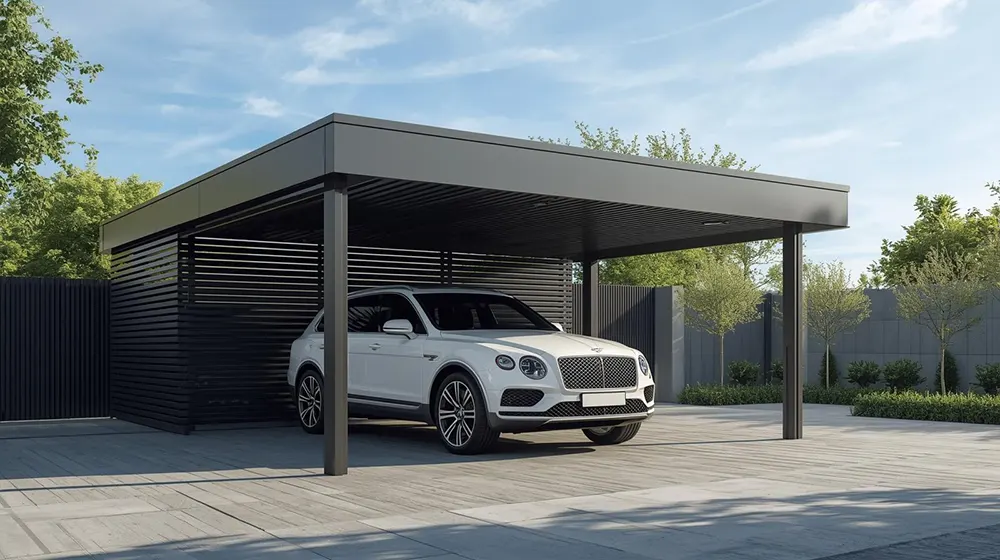
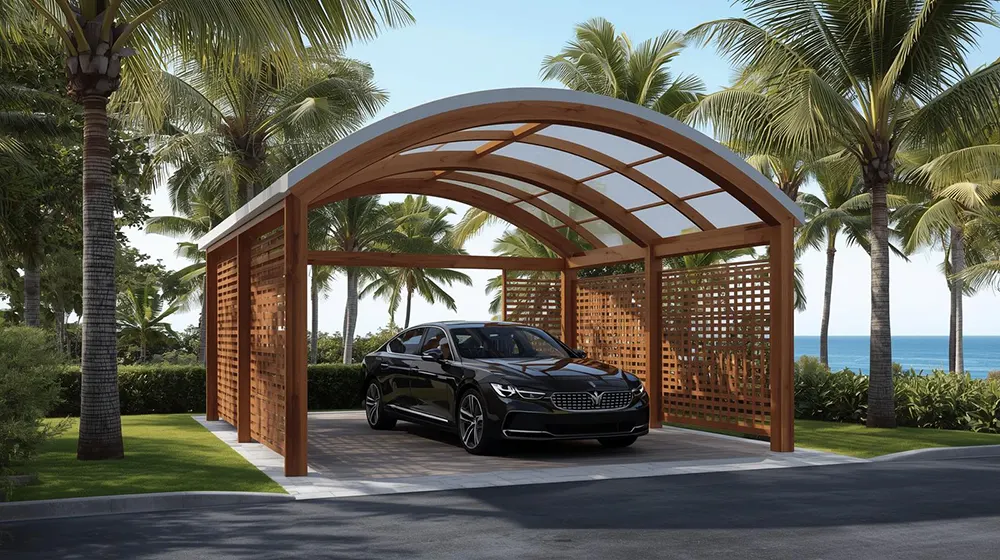
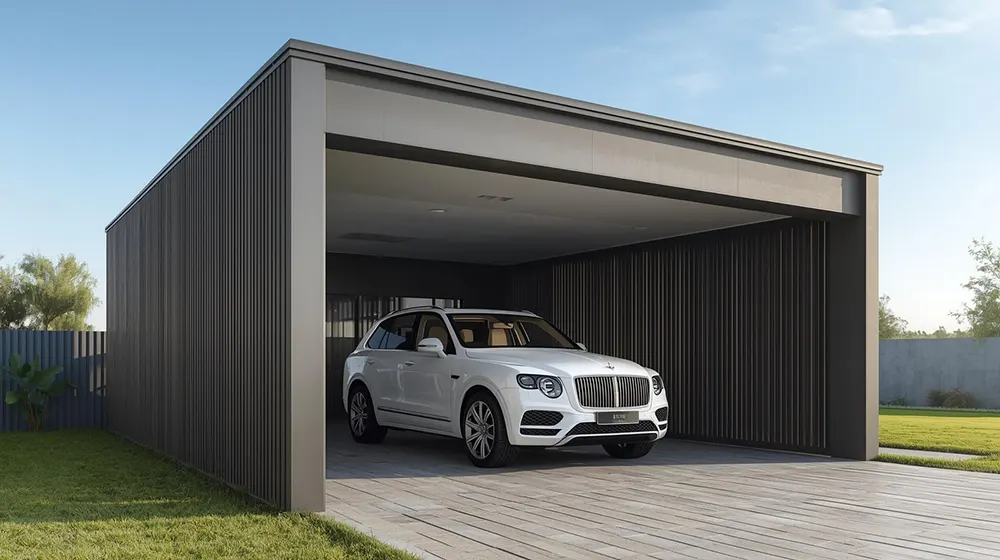
Budget-conscious homeowners find excellent value in Low Cost Simple Car Parking Shed Design options, especially single-slope designs, which require minimal materials and engineering. These straightforward structures feature a single sloping roof directing rainwater away efficiently, supported by four corner posts and simple framing. The simplicity translates to rapid installation, often completed in 2-3 days with basic tools and minimal labor requirements.
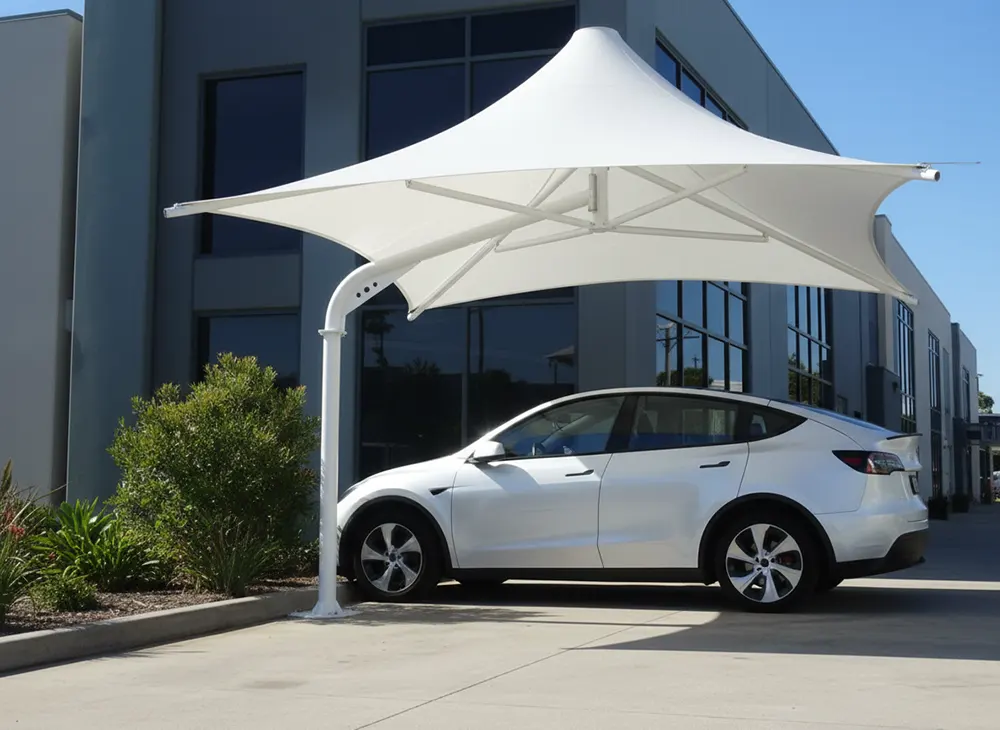
Material economy doesn’t mean compromising functionality. Corrugated metal sheets or sturdy polycarbonate panels provide weather protection at a fraction of premium-structure costs. Local contractors and fabricators can often construct these sheds for ₹150-₹250 per square foot, making them accessible to most homeowners. Many designs easily accommodate DIY installation with careful planning and basic construction skills. Online tutorials and manufacturer guidance enable confident do-it-yourself approaches for straightforward designs.
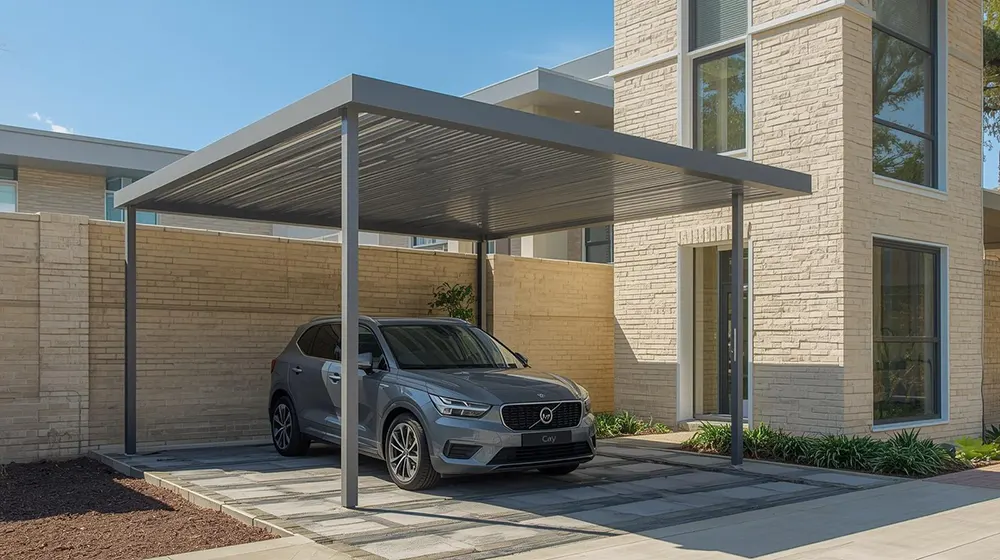
These budget-friendly options maintain functionality while minimizing visual impact, making them suitable for properties where aesthetic integration proves challenging or less critical.
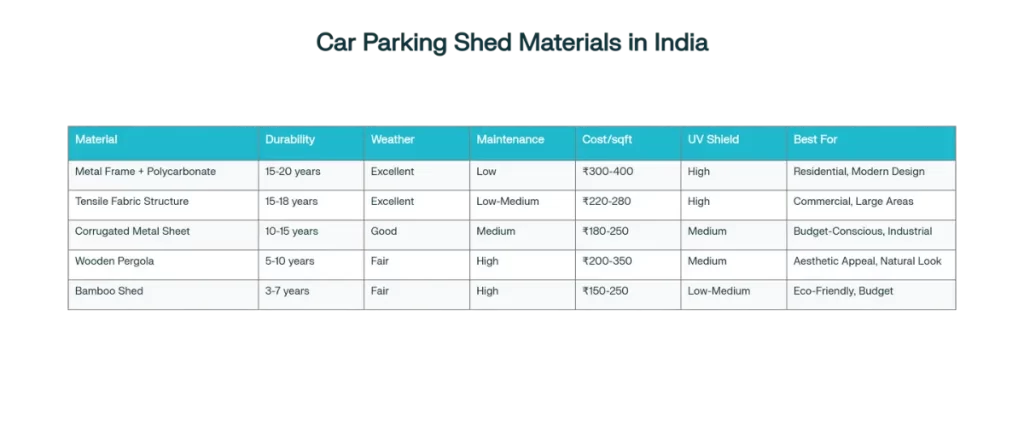
Beyond design style, material selection profoundly impacts roofing performance, durability, and cost. Understanding material options and their performance characteristics enables informed decisions aligned with your climate, budget, and aesthetic preferences.
Galvanized and aluminum metal sheets, commonly used in iron roof design, offer exceptional durability (40-50 year lifespan), lightweight construction reducing structural demands, complete recyclability, and excellent weather resistance. Cost range is ₹200-600 per square foot depending on specifications. Metal roofing excels in industrial, commercial, and contemporary residential applications. Color-coated varieties provide aesthetic options while enhancing durability. Metal’s primary limitation is noise during rainfall—though modern multilayer designs with acoustic liners have largely resolved this concern.
Clay tiles have protected Indian homes for centuries, and for good reason. With a lifespan exceeding 50 years, superior thermal properties that keep interiors cool, aesthetic beauty that enhances property values, and minimal maintenance requirements, clay tiles remain an excellent choice. Cost range is ₹150-400 per square foot. Clay tiles perform exceptionally well in monsoon regions and traditional architectural contexts. Weight requires stronger structural framing compared to metal alternatives, but the aesthetic and performance benefits often justify the investment.
RCC combines strength, durability (50-100+ year lifespan), fire resistance, and the ability to support additional floors or heavy structures. Cost range is ₹300-800 per square foot. RCC roofs create usable terraces, enabling additional living space or amenities. Waterproofing becomes critical with RCC—proper membrane installation and maintenance prevent moisture infiltration. RCC suits urban multistory homes and situations where usable terrace space adds significant value.
Asphalt and bitumen shingles offer affordability (₹250-500 per square foot), wide color variety, and ease of installation. However, the lifespan of 20-30 years is substantially shorter than other options, requiring replacement midway through a home’s typical occupation period. Shingles work well for sloped roofs in moderate climates where extreme temperatures don’t accelerate degradation.
Stone-coated steel combines stone beauty (mimicking clay tiles or slate) with steel durability and performance. Lifespan of 30-50 years, fire resistance, lightweight construction, and premium aesthetics command premium pricing (₹400-800 per square foot). This material appeals to luxury residential segments seeking distinctive aesthetics with modern performance.
Your roof represents far more than a protective necessity—it’s an architectural statement, an energy system, a water management infrastructure, and a critical factor in your home’s comfort, efficiency, and value. The seven innovative roof design ideas presented in this guide offer pathways to transform your living experience while delivering measurable returns through energy savings, improved indoor quality, enhanced aesthetics, and long-term durability.
Whether you’re drawn to the environmental consciousness of green roofs, the natural light abundance of skylights, the dramatic elegance of butterfly roofs, the renewable energy generation of solar integration, the contemporary sophistication of curved roofs, the productive vitality of roof gardens, or the spatial dynamism of multi-level designs, innovative roofing options exist to match your vision and requirements. The key to success lies in matching your chosen design to your specific climate zone, material selection aligned with local conditions, and professional installation, ensuring that engineering excellence translates to real-world performance.
At Undertaking Engineering Enterprise, our 15+ years of hands-on experience designing, fabricating, and installing roofing solutions across India’s diverse regions position us as your trusted partner in this critical decision. We understand how monsoon intensity in Kerala differs fundamentally from heat extremes in Rajasthan, how coastal corrosion challenges demand specialized materials, and how mixed-climate cities require balanced design approaches. Whether you’re planning a new residential construction or retrofitting an existing home with innovative roofing technology, our team brings precision engineering, premium materials, and installation excellence to every project.
We invite you to consult with our experts at Undertaking Engineering Enterprise for a customized roof design tailored to your specific location, climate conditions, aesthetic preferences, and budget parameters. Our end-to-end services—from initial design consultation through professional fabrication to expert installation—ensure that your new roof delivers the performance, durability, and beauty you deserve. With our commitment to strength, precision, and long-lasting performance, your roof will protect and enhance your home for decades to come.