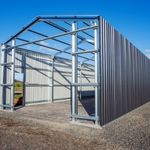
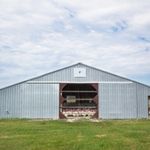
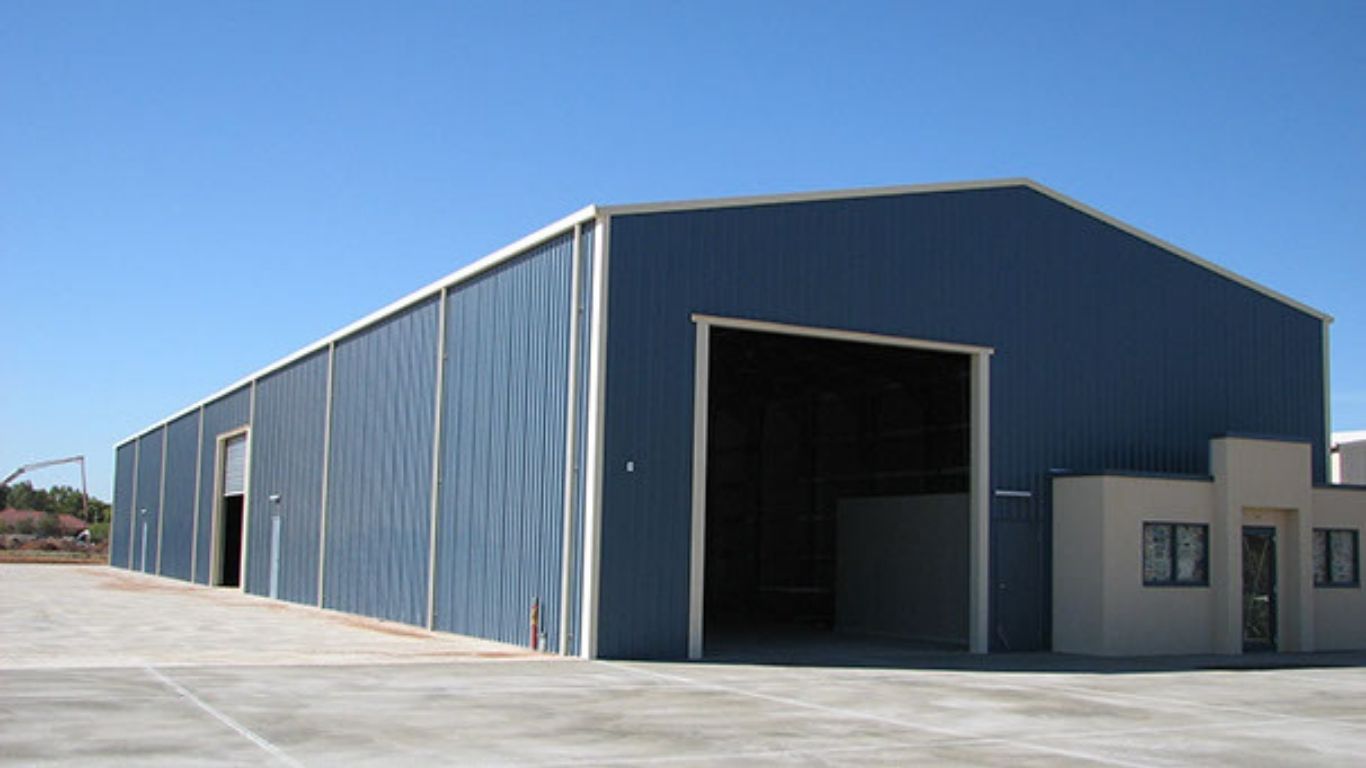
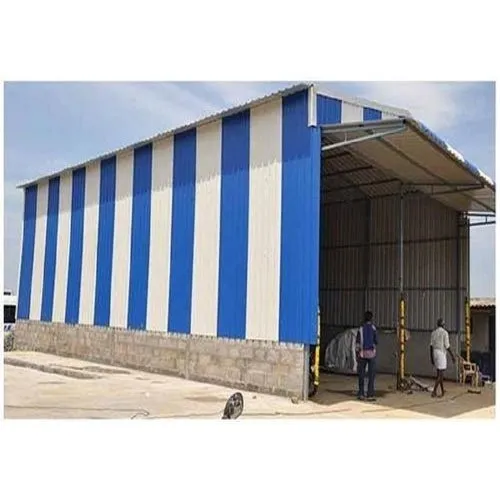
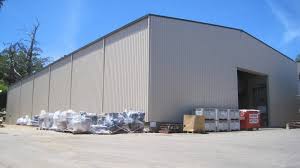
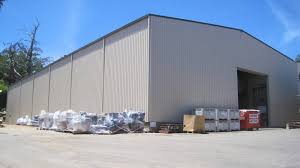
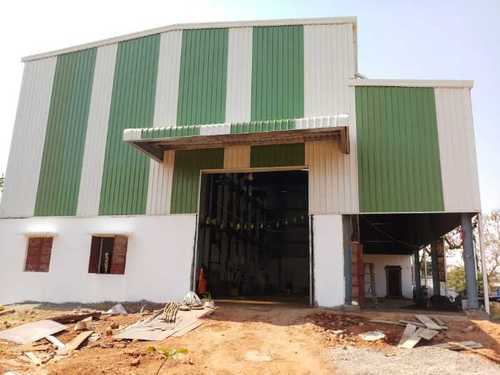
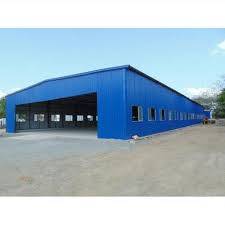
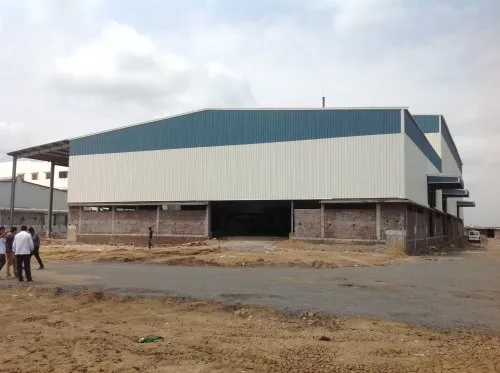
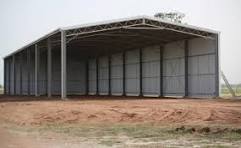
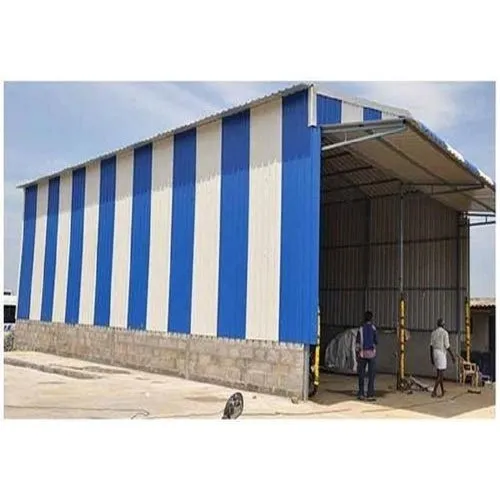
Godown Shed for Your Business
Durable & Custom-Built Godown Shed Solutions in Kolkata
Introduction to Godown Sheds
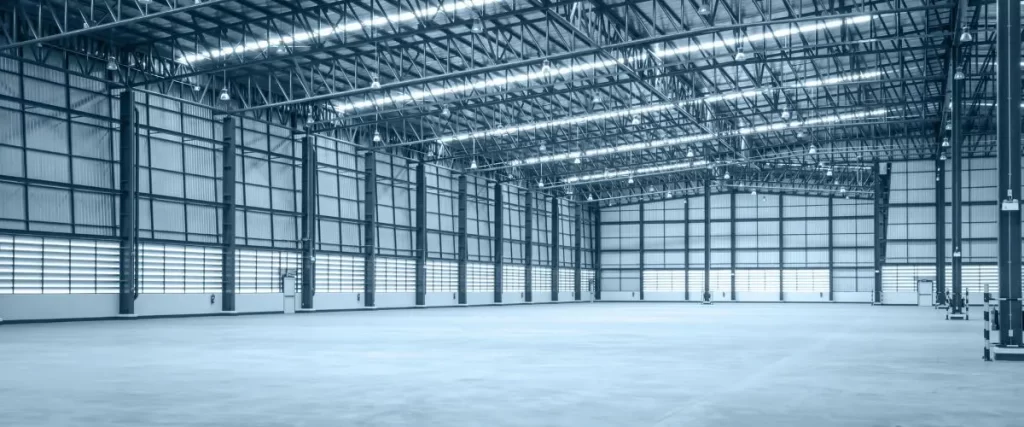
A godown shed is a pre-engineered industrial structure specifically designed for storage and warehousing purposes. The term “godown” is widely used across India to describe warehouse or storage facilities, making it an integral part of the country’s commercial vocabulary. These structures typically feature steel frameworks, durable roofing systems, and weather-resistant cladding that protect stored goods from environmental elements.
Modern godown sheds are built using advanced pre-engineered building (PEB) technology, which allows for faster construction, greater structural integrity, and superior cost-efficiency compared to traditional construction methods. The steel framework provides excellent load-bearing capacity while maintaining flexibility for customization. Roofing systems typically utilize galvanized or color-coated sheets that offer protection against rain, heat, and corrosion.
These structures serve multiple purposes across various industries. From storing finished goods and raw materials to housing light manufacturing operations and distribution centers, godown sheds offer versatility that traditional concrete structures often cannot match. The clear-span design, which minimizes internal columns, maximizes usable floor space and allows for efficient organization of goods and equipment.
What distinguishes a quality godown shed is its ability to withstand India’s challenging climate conditions. From the intense heat of summer to heavy monsoon rainfall, from coastal humidity to northern winters, a properly designed godown shed maintains structural integrity while protecting valuable inventory. The combination of engineering precision, quality materials, and expert installation creates a storage solution that delivers reliable performance for decades.
Services
- Factory Roof Sheds
- Roof Shed Fabrication
- Car Parking Shed
- Terrace Roof Shed
- Fiberglass Roofing
- Polycarbonate Sheds
- Aluminum & Steel Structures
- Steel Poultry Farm Shed
- Goat Farm Roof Shed
Importance for Businesses
The strategic value of a well-constructed godown shed extends far beyond simple storage. For businesses operating in India’s competitive marketplace, these structures provide critical advantages that directly impact profitability and growth potential.
Asset Protection & Security:
Your inventory represents significant capital investment. A robust godown shed provides 24/7 protection against theft, vandalism, and environmental damage. Weather-resistant construction ensures that monsoon rains, extreme temperatures, and humidity don't compromise product quality. This protection is particularly crucial for businesses handling sensitive materials like electronics, pharmaceuticals, textiles, or agricultural products.
Cost Efficiency:
Compared to traditional brick-and-mortar construction, godown sheds offer 30-40% cost savings on initial investment. The pre-engineered approach reduces construction time by half, meaning you can start operations sooner and begin generating returns faster. Lower maintenance requirements and excellent durability further enhance the cost-effectiveness over the structure's lifespan.
Scalability for Growth:
Business needs evolve, and your storage infrastructure should evolve with them. Godown sheds offer unmatched flexibility for expansion. The modular design allows you to extend your facility horizontally or vertically with minimal disruption to ongoing operations. This scalability ensures your investment remains relevant as your business grows.
Regulatory Compliance:
Many industries face strict storage regulations regarding fire safety, ventilation, and structural standards. Quality godown sheds can be designed to meet all relevant Indian standards and local regulations, ensuring your business operates legally and safely. This compliance protects you from potential penalties and liability issues.
Operational Efficiency:
The spacious, column-free interiors of modern godown sheds facilitate smooth material handling and inventory management. Proper lighting, ventilation, and strategic layout options enable efficient workflows that reduce labor costs and minimize handling damage. Loading docks and wide entry points speed up logistics operations, crucial for businesses in distribution and e-commerce.
Property Value Enhancement:
A well-constructed godown shed adds substantial value to your commercial property. The structure becomes a tangible asset that can be leased, used as collateral for business loans, or sold if you relocate operations. This asset appreciation provides financial flexibility for future business decisions.
A well-constructed godown shed adds substantial value to your commercial property. The structure becomes a tangible asset that can be leased, used as collateral for business loans, or sold if you relocate operations. This asset appreciation provides financial flexibility for future business decisions.
Godown Shed Design
Key Elements of Design
The foundation of an effective godown shed lies in its engineering design. Understanding the key structural and functional elements helps you make informed decisions that align with your operational requirements.
Structural Framework:
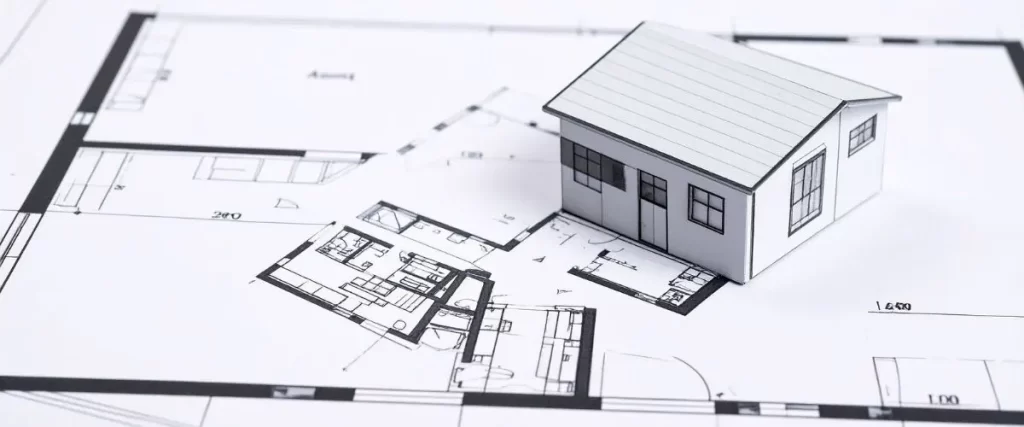
The primary load-bearing structure typically consists of high-grade steel columns and rafters. Column spacing varies based on building width and load requirements, commonly ranging from 6 to 9 meters. This spacing balances structural integrity with open interior space. The steel grade used should meet Indian standards (typically Fe 250 or higher) to ensure longevity and strength against wind loads and seismic forces.
Roofing Systems:
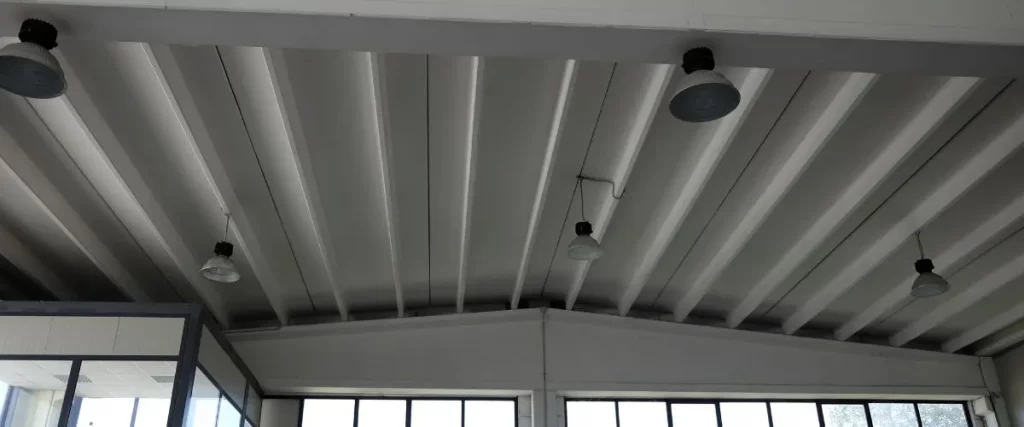
The roof is your first line of defense against weather. Options include galvanized iron sheets, pre-painted galvanized steel, and insulated sandwich panels. For Indian conditions, slope design is critical for effective rainwater drainage during monsoons. Standard roof pitches range from 1:10 to 1:20 depending on regional rainfall patterns. Color-coated sheets offer superior heat reflection, reducing internal temperatures by 5-8 degrees Celsius.
Wall Cladding:
Exterior walls can be fully enclosed, partially open, or a combination based on your ventilation needs. Materials include metal cladding sheets, brick infill for ground-level protection, or insulated panels for climate control. The choice depends on whether you're storing temperature-sensitive goods or require natural ventilation.
Foundation Requirements:
While lighter than traditional structures, godown sheds still require proper foundation design. Options include isolated footing for individual columns or plinth beam foundations for perimeter support. Soil testing determines the appropriate foundation depth and reinforcement specifications. In areas with high water tables or poor soil bearing capacity, pile foundations may be necessary.
Ventilation Systems:
Proper air circulation prevents moisture accumulation and maintains a healthy storage environment. Design elements include ridge ventilators, louvers, turbo ventilators, and strategically placed openings. For sensitive goods, mechanical ventilation systems with exhaust fans provide controlled airflow.
Lighting Provisions:
Natural lighting reduces electricity costs and creates a better working environment. Translucent roofing sheets or skylights integrated into the design provide daylight while maintaining weather protection. Electrical conduit pathways for artificial lighting should be planned during the design phase to avoid retrofitting costs.
Access Points:
Door and gate design significantly impacts operational efficiency. Options include sliding doors, rolling shutters, sectional overhead doors, and full-height openings for loading operations. Width and height should accommodate the largest vehicles or equipment that will access the facility.
Drainage Systems:
Effective water management prevents foundation damage and maintains a dry interior. Gutters, downspouts, and perimeter drainage channels direct rainwater away from the structure. This is particularly important in high-rainfall regions where inadequate drainage can compromise structural stability.
Fire Safety Features:
Depending on stored materials and local regulations, fire safety elements may include fire-resistant coatings, sprinkler system provisions, smoke detectors, and emergency exits. Planning for these during initial design is more cost-effective than retrofitting.
Customization Options
One of the greatest advantages of modern godown shed design is the ability to customize every aspect to match your specific business requirements. This flexibility ensures your investment delivers maximum operational value.
Industry-Specific Modifications:
Different sectors have unique storage needs. For pharmaceutical companies, insulated walls and climate control systems maintain temperature stability for sensitive medicines. Cold storage applications require thick insulation panels and specialized refrigeration integration. Chemical industries need corrosion-resistant coatings and proper ventilation to handle fumes safely. Automotive parts suppliers benefit from mezzanine floors that double storage capacity while maintaining accessibility.
Climate-Specific Adaptations:
India's diverse climate zones demand tailored solutions. Coastal areas require enhanced rust protection through galvanized coatings and regular maintenance provisions. High-rainfall regions need steeper roof slopes and robust drainage systems. Areas experiencing extreme heat benefit from reflective roof coatings and insulation that reduce internal temperatures. Seismic zones require reinforced structural connections and flexible joint designs.
Aesthetic Customization:
Your godown shed can reflect your corporate identity. Color-coded roofing and wall panels in company colors create visual branding. Architectural features like canopies, fascia panels, and entrance designs enhance curb appeal for customer-facing facilities. These aesthetic touches don't just look good—they create a professional image that builds client confidence.
Functional Add-ons:
Enhance operational efficiency with strategic additions. Mezzanine floors utilize vertical space for lightweight storage or office space. Overhead crane systems facilitate heavy material handling. Multiple loading docks enable simultaneous loading and unloading operations. Separate office cabins integrated into the structure provide on-site management space. Covered walkways protect staff during weather extremes.
Modular Expansion Design:
Forward-thinking design includes provisions for future expansion. Structural connections that easily accommodate additional bays allow horizontal growth. Foundation designs that support vertical expansion enable adding floors when needed. Utility systems planned with excess capacity prevent complete redesign during expansion.
The key to effective customization is working with experienced manufacturers who understand both engineering principles and practical business operations. They can suggest modifications you might not have considered that significantly enhance functionality.
Space Optimization Techniques
Maximizing every square foot of your godown shed directly impacts your return on investment. Smart space optimization reduces the need for larger structures while improving operational efficiency.
Vertical Space Utilization:
Most storage operations underutilize height. Modern godown sheds can be designed with 6-12 meter clearances, allowing for multi-level racking systems. Pallet racking, cantilever racks for long items, and mezzanine floors effectively double or triple your storage capacity within the same footprint. Ensure your clear height accommodates both storage systems and material handling equipment like forklifts.
Column-Free Design Benefits:
The clear-span architecture of pre-engineered godown sheds eliminates interior columns that interrupt storage layouts. This flexibility allows you to arrange racking systems, work zones, and traffic paths without navigating around structural obstacles. You can reconfigure layouts as business needs change without structural limitations.
Strategic Layout Planning:
Divide your godown into functional zones: receiving area, bulk storage, picking area, packing zone, and dispatch area. This logical flow reduces travel time and handling steps. Fast-moving items should be stored near dispatch areas while slow-moving inventory can occupy deeper storage locations. Creating clearly marked zones and aisles improves inventory management and reduces search time.
Zoning for Different Storage Needs:
Separate temperature-sensitive goods from general storage. Dedicate secure areas for high-value items. Create hazmat zones for materials requiring special handling. This zoning approach prevents cross-contamination and ensures compliance with safety regulations.
Efficient Traffic Flow Patterns:
Design wide main aisles for two-way forklift traffic with narrower secondary aisles for access. One-way traffic loops prevent congestion during busy periods. Separate pedestrian walkways enhance safety. Loading dock placement that allows through-traffic reduces vehicle maneuvering time.
Loading and Unloading Zone Optimization:
Multiple docks operating simultaneously dramatically increase throughput. Dock levelers and shelters speed operations and protect goods during transfer. Adequate staging areas adjacent to docks prevent bottlenecks. Cover these areas with extended roof overhangs for all-weather operations.
Proper space optimization can increase your effective storage capacity by 40-60% compared to poorly planned facilities. This efficiency translates directly to better inventory turnover and reduced operational costs.
Godown Shed Construction Cost
Factors Influencing Cost
Understanding the variables that affect godown shed construction cost helps you make informed budgeting decisions and avoid unexpected expenses. Multiple factors interact to determine your final investment.
Size and Dimensions:
This is the most obvious cost driver. Larger facilities require more materials and labor. However, cost per square foot typically decreases as building size increases due to economies of scale. A 10,000 square foot facility might cost less per square foot than a 2,000 square foot structure. Height also impacts cost—taller buildings require stronger structural members and more complex foundation work.
Material Quality:
Steel grade and thickness directly influence both cost and longevity. Higher-grade steel (Fe 415 vs. Fe 250) costs more initially but provides superior strength and durability. Roofing material choices range from basic galvanized sheets to premium insulated panels that cost three times more but offer better energy efficiency. Balancing upfront costs with long-term performance determines the best value.
Design Complexity:
Simple rectangular designs cost less than structures with multiple wings, varying roof heights, or architectural features. While complexity increases costs, sometimes the operational benefits justify the expense. Custom engineering for unique requirements adds design fees but ensures the structure meets specific needs.
Customization Requirements:
Every added feature increases costs. Insulation, climate control, fire suppression systems, specialized coatings, overhead cranes, and mezzanines all add to the base price. Prioritize customizations based on operational necessity versus nice-to-have features.
Location and Site Conditions:
Urban locations with restricted access may increase labor costs and material transportation expenses. Sites requiring extensive earth-moving, soil stabilization, or high water table management add foundation costs. Remote locations might face higher transportation charges for materials and skilled labor.
Labor Costs:
Regional variations in labor rates significantly impact construction costs. Metro cities like Mumbai, Delhi, and Bangalore have higher labor costs than tier-2 or tier-3 cities. Availability of skilled labor also affects timelines and quality. Experienced installation teams work faster and make fewer costly mistakes.
Additional Features:
Plumbing, electrical systems, lighting fixtures, ventilation equipment, security systems, and finishing touches all accumulate costs. Some features like basic electrical wiring are essential, while others like high-end finishes are optional.
Permits and Compliance:
Building permits, structural approval fees, fire safety clearances, and environmental compliance costs vary by location. Budget 3-5% of project cost for regulatory requirements. Failure to obtain proper permits can result in stop-work orders and fines.
Timeline and Urgency:
Rush projects with tight deadlines often cost 10-15% more due to overtime labor, expedited material sourcing, and coordination challenges. Planning adequate construction time reduces costs while allowing quality work.
Estimation of Costs
Having realistic cost expectations helps you plan financially and compare quotes effectively. The Indian market for godown sheds offers various price points based on specifications and quality levels.
Price Per Square Foot Range:
Basic godown shed construction in India typically ranges from ₹180 to ₹450 per square foot. This wide range reflects variations in materials, customization, and location. At Undertaking Engineering Enterprise, we offer quality godown shed solutions starting from ₹180 per square foot, providing exceptional value without compromising on structural integrity or durability.
Basic Configuration Costs:
A straightforward godown shed with standard features typically falls in the ₹180-₹250 per square foot range. This includes the structural steel framework, basic roofing sheets, simple wall cladding, concrete foundation, and basic doors. These structures provide reliable protection and functionality for general storage needs.
Mid-Range Configuration:
For ₹250-₹350 per square foot, you can expect enhanced features like insulated roofing panels, better quality cladding, improved ventilation systems, multiple entry points, and basic electrical installations. This range suits businesses requiring better temperature control or operating in challenging climate conditions.
Premium Configuration:
High-end godown sheds costing ₹350-₹450+ per square foot incorporate climate control systems, fire suppression, overhead crane infrastructure, office spaces, advanced security features, and architectural finishes. These are ideal for pharmaceutical, electronics, or automotive applications where environmental control is critical.
Cost Comparison Example:
Let's break down approximate costs for different facility sizes at competitive pricing:
A 5,000 square foot basic godown shed at ₹180 per square foot totals ₹9,00,000. Add ₹50,000-₹1,00,000 for site preparation and ₹30,000-₹50,000 for basic electrical work, bringing the total to approximately ₹9,80,000-₹10,50,000.
A 10,000 square foot facility at ₹200 per square foot (reduced rate for larger size) totals ₹20,00,000, plus site work and utilities, bringing it to ₹22,00,000-₹24,00,000.
A 20,000 square foot industrial facility at ₹190 per square foot (further economy of scale) costs ₹38,00,000 for construction, with total project cost around ₹42,00,000-₹45,00,000.
| Shed Size | Rate per Sq.ft | Base Construction Cost | Additional Costs (Site Work + Electrical) | Total Estimated Cost |
|---|---|---|---|---|
| 5,000 Sq.ft | ₹180 / Sq.ft | ₹9,00,000 | ₹50,000 – ₹1,50,000 | ₹9,80,000 – ₹10,50,000 |
| 10,000 Sq.ft | ₹200 / Sq.ft | ₹20,00,000 | ₹2,00,000 – ₹4,00,000 | ₹22,00,000 – ₹24,00,000 |
| 20,000 Sq.ft | ₹190 / Sq.ft | ₹38,00,000 | ₹4,00,000 – ₹7,00,000 | ₹42,00,000 – ₹45,00,000 |
Note: Prices are indicative and may vary by location, material selection, and project complexity. Contact Undertaking Engineering Enterprise for a free site inspection and an accurate quotation.
Comparison with Traditional Construction:
Traditional brick-and-mortar warehouse construction typically costs ₹300-₹700 per square foot and takes 12-18 months to complete. Pre-engineered godown sheds offer 30-40% savings and can be operational in 3-6 months. This faster timeline means earlier revenue generation, further improving return on investment.
Hidden Costs to Watch:
Site survey and soil testing (₹10,000-₹30,000), excavation and leveling (varies by site condition), utility connections for water and electricity (₹50,000-₹2,00,000), access road construction (if needed), boundary walls or fencing (₹100-₹300 per running foot), and landscaping or storm water drainage. Ensure your quotes clearly itemize what's included.
Regional Cost Variations:
Expect 15-25% higher costs in major metro cities compared to tier-2 cities. For example, a project costing ₹20,00,000 in Indore might cost ₹23,00,000-₹25,00,000 in Mumbai due to higher labor rates, stricter regulations, and logistics challenges.
Budgeting for Your Project
Smart financial planning ensures your godown shed project completes successfully without straining business resources. A structured budgeting approach prevents cost overruns and maintains project quality.
Comprehensive Budget Development:
Start by calculating your base construction cost based on realistic per-square-foot estimates. Add 10-15% for contingencies to cover unforeseen site conditions or minor design modifications. Include soft costs like permits, engineering fees, and professional consultations. Factor in costs for utilities connection, access infrastructure, and site improvements. Don't forget post-construction expenses like racking systems, material handling equipment, and initial inventory organization.
Allocating Contingency Funds:
A 10-15% contingency reserve protects against unexpected costs without requiring emergency fundraising. Common issues requiring contingency funds include poor soil conditions requiring additional foundation work, utility connection complexities, regulatory requirement changes, material price fluctuations, and weather-related delays. If contingency isn't needed, it becomes additional capital for equipment or operations.
Phased Construction Approach:
If budget constraints are tight, consider phasing your project. Phase one might include core storage structure and basic operations capacity. Phase two adds enhanced features, expanded capacity, or specialized zones. This approach spreads costs over time while allowing earlier business operations. Ensure initial design accommodates planned expansions to avoid structural complications later.
Financing Options:
Indian businesses have several financing avenues for godown shed construction. Commercial banks offer business loans with 7-12% interest rates for established businesses. MSME schemes provide favorable terms for small and medium enterprises. Equipment financing can cover material handling systems. Some manufacturers offer payment plans or construction financing partnerships. Property-secured loans leverage existing assets for lower interest rates.
Long-Term Cost Considerations:
Look beyond initial construction costs to total cost of ownership. High-quality materials cost more initially but reduce maintenance expenses over 20-25 years. Energy-efficient designs lower monthly operating costs. Durable finishes require less frequent repainting or repairs. Proper drainage and ventilation prevent costly damage from water infiltration or condensation. Investing in quality often provides better value than choosing the cheapest option.
Return on Investment Timeline:
Most businesses recover their godown shed investment within 5-7 years through reduced rental costs, improved operational efficiency, and increased storage capacity. Enhanced inventory protection reduces loss rates. Faster construction means earlier revenue generation compared to traditional buildings. The structure becomes a valuable asset that appreciates with property value.
Common Budgeting Mistakes:
Underestimating site preparation needs leads to overruns. Forgetting to budget for equipment and racking leaves the facility incomplete. Choosing the lowest quote without verifying quality credentials results in poor construction requiring costly repairs. Not planning for expansion limits future growth. Inadequate contingency reserves force quality compromises during construction.
Create a detailed line-item budget covering construction costs, site development, utilities, permits and fees, professional services, contingency reserve, equipment and fixtures, and working capital for initial operations. Review this budget with your manufacturer or contractor to ensure completeness and realism.
Comparison with Warehouse Sheds
Functional Differences
While the terms "godown shed" and "warehouse shed" are often used interchangeably in Indian business contexts, understanding the subtle differences helps you communicate your requirements clearly and design the optimal facility.
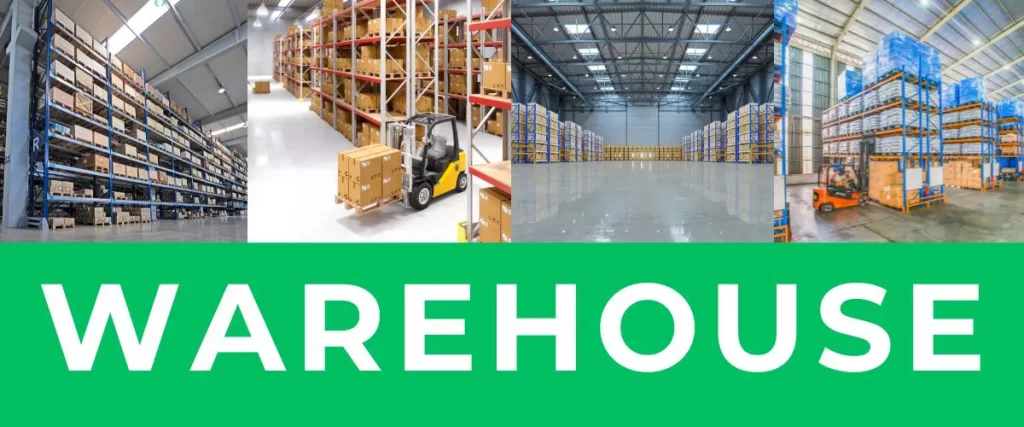
Terminology and Usage:
In India, "godown" traditionally refers to storage facilities primarily focused on protecting goods and inventory. The term has roots in Malay language and has been part of Indian commercial vocabulary for centuries. "Warehouse" typically implies facilities with more active logistics operations including receiving, sorting, packing, and distribution activities. However, modern usage increasingly blurs these distinctions, with both terms describing similar structures.
Design Emphasis:
Godown sheds often prioritize security and weather protection as primary functions. The design focuses on solid enclosures, robust locking mechanisms, and environmental control. Warehouse sheds emphasize material flow efficiency with multiple loading docks, wide aisles for equipment movement, and layouts optimized for logistics operations. In practice, most modern structures combine both elements.
Size Considerations:
Traditional godowns range from small neighborhood storage units to large-scale facilities. Warehouses are typically larger operations serving distribution networks. However, this size difference is not absolute—many godowns exceed the size of distribution warehouses depending on business needs.
Operational Patterns:
Godowns often have lower daily activity levels with goods stored for extended periods. Warehouses typically see higher turnover with constant receiving and shipping operations. This operational difference affects ventilation requirements, door configurations, and structural durability needs. Static storage requires less robust floor specifications than high-traffic material handling operations.
Regulatory Framework:
Some Indian regulations distinguish between godown and warehouse designations for tax purposes or licensing requirements. Understanding local definitions ensures proper legal compliance. Both structures typically require similar building permits and safety certifications, though specific requirements vary by state and municipality.
The practical reality is that most modern pre-engineered buildings serve both functions effectively. Whether you call it a godown or a warehouse matters less than clearly communicating your operational requirements to your manufacturer.
Cost-Effectiveness
Evaluating the financial wisdom of your storage facility investment requires looking beyond initial construction costs to long-term operational economics.
Initial Investment Comparison:
Pre-engineered godown and warehouse sheds typically cost similarly when comparing equivalent specifications. The real cost difference emerges when comparing these modern structures to traditional construction methods. Conventional brick-and-mortar construction costs 30-40% more and takes twice as long to build, making pre-engineered solutions decisively more cost-effective.
Operational Cost Differences:
Energy-efficient roofing materials reduce cooling costs, particularly important in India's hot climate. Proper insulation in godown sheds can reduce air conditioning expenses by 30-40% for climate-controlled storage. Warehouse operations with higher activity levels benefit from natural ventilation designs that reduce mechanical cooling needs. Well-designed structures in both categories deliver lower operational costs than traditional buildings.
Maintenance Requirements:
Quality pre-engineered structures require minimal maintenance compared to traditional construction. Steel frameworks don't require regular painting if properly galvanized and coated. Roofing sheets need periodic inspection for damage but rarely require replacement for 20-25 years. Traditional concrete and brick structures face cracking, water seepage, and regular repainting requirements that accumulate substantial costs over time.
Energy Efficiency:
Modern godown and warehouse sheds can incorporate energy-saving features like LED lighting provisions, reflective roof coatings that reduce internal temperatures, optimized natural lighting through translucent panels, and efficient ventilation reducing HVAC needs. These features deliver ongoing operational savings that compound over decades of use.
Lifespan and Durability:
Properly constructed pre-engineered buildings last 30-50 years with minimal maintenance. The steel structure doesn't deteriorate like concrete, which develops cracks and corrosion issues over time. This longevity means your per-year cost of ownership remains low throughout the structure's life. Traditional buildings may require major renovations every 15-20 years, adding significant costs.
The total cost of ownership clearly favors quality pre-engineered godown and warehouse sheds over traditional construction. Initial savings combined with lower operational and maintenance costs create compelling financial advantages.
Versatility in Use
The adaptability of modern godown and warehouse sheds provides strategic advantages that extend beyond their primary storage function.
Multi-Purpose Applications:
A well-designed shed easily accommodates changing business needs. Today's storage facility becomes tomorrow's light manufacturing space. Godown areas can be repurposed for assembly operations, quality control zones, or product customization activities. This versatility protects your investment against business model changes.
Conversion Possibilities:
The open interior design allows extensive modification without structural changes. Install office cabins for administrative staff. Add showroom space for customer-facing operations. Create training centers or employee amenities. Convert sections to retail display areas. The flexibility supports business evolution without requiring new facilities.
Seasonal Business Applications:
Businesses with seasonal demand patterns benefit from flexible space utilization. Use the facility for peak season inventory storage, then repurpose sections during off-season for alternative revenue activities. Agricultural processors store harvest season produce, then use the space for equipment maintenance during growing seasons.
Future-Proofing Investment:
Business growth, new product lines, changing market conditions, and unforeseen opportunities all require facility flexibility. A godown or warehouse shed accommodates these changes with minimal disruption and cost. Modular expansion capabilities allow matching facility size to business needs without excessive upfront investment.
Rental Income Potential:
Excess storage capacity generates revenue by leasing to other businesses. Many companies build larger facilities than immediately needed, offsetting costs through rental income while keeping expansion space available. The standardized design appeals to diverse tenants, maintaining high occupancy rates.
The strategic value of versatility often exceeds the pure functional benefits of storage space. This adaptability ensures your infrastructure investment remains relevant throughout your business journey.
Choosing a Shed Manufacturer
Criteria for Selection
Selecting the right manufacturing partner significantly impacts your project's success, from design quality to long-term durability. Thorough evaluation prevents costly mistakes and ensures satisfactory outcomes.
Experience and Track Record:
Established manufacturers with 10-15+ years in the industry bring invaluable expertise to your project. They've encountered diverse challenges and developed proven solutions. Ask potential manufacturers about their experience with projects similar to yours in size, application, and location. Companies that have completed thousands of projects, such as those with 7,800+ installations, demonstrate consistent capability and market trust.
Portfolio and Completed Projects:
Request to see previous work examples matching your requirements. Visit completed projects if possible to assess quality firsthand. Talk with previous clients about their satisfaction with design, construction quality, and post-installation support. A diverse portfolio indicates versatility, while specialized focus suggests deep expertise in specific applications.
Quality of Materials:
Not all steel and roofing materials are equal. Inquire about material specifications, steel grades used, coating processes, and material sourcing. Quality manufacturers provide detailed specifications and material certifications. ISI-marked materials ensure compliance with Indian standards. Be wary of quotes significantly below market rates—they often indicate compromised material quality.
Engineering Capabilities:
Proper structural engineering is crucial for safety and durability. Does the manufacturer have in-house engineering teams? Are designs certified by qualified structural engineers? Do they account for local wind loads, seismic considerations, and soil conditions? Quality engineering prevents structural failures that can be catastrophic.
Customization Flexibility:
Your business has unique needs. Can the manufacturer adapt standard designs to your requirements? Do they listen to your operational needs and suggest design improvements? Rigid, one-size-fits-all approaches rarely deliver optimal results. Look for collaborative partners who value your input.
After-Sales Service:
Your relationship with the manufacturer extends beyond installation. Who handles warranty claims? Is maintenance support available? Can they assist with future modifications or expansions? Responsive after-sales support provides peace of mind and protects your long-term investment.
Transparent Pricing:
Detailed, itemized quotes demonstrate professionalism and prevent surprise costs. Avoid vague estimates or reluctance to explain pricing components. Quality manufacturers provide clear breakdowns of materials, labor, and additional services with no hidden fees.
Timeline Adherence:
Construction delays disrupt business plans and increase costs. Ask about typical project timelines and their track record meeting deadlines. Understand what factors might cause delays and how they're managed. Reliable manufacturers build contingencies into schedules and communicate proactively about any issues.
Customer Reviews and Testimonials:
Online reviews, industry reputation, and client testimonials reveal the manufacturer's strengths and weaknesses. Consistent positive feedback about quality, service, and reliability indicates a trustworthy partner. Conversely, recurring complaints about workmanship or unresponsive service warrant caution.
Top Manufacturers in the Market
The Indian market includes numerous godown shed manufacturers with varying capabilities and specializations. Understanding what distinguishes leading companies helps you identify the best fit for your project.
Innovation in Design and Materials:
Leading manufacturers continuously adopt new technologies and materials that improve performance and reduce costs. They stay current with international best practices while adapting designs for Indian conditions. Advanced software tools enable precise engineering and optimization. Material innovations like self-cleaning coatings or enhanced insulation panels appear first with industry leaders.
Comprehensive Service Offering:
Top-tier companies provide end-to-end solutions covering site evaluation and soil testing, design and engineering services, permitting assistance, complete installation, and post-construction support. This integrated approach ensures seamless execution and single-point accountability. Companies like Undertaking Engineering Enterprise exemplify this comprehensive model with design, manufacturing, and installation capabilities backed by over 15 years of industry expertise.
Pan-India Presence vs. Regional Specialists:
National manufacturers offer consistency across locations and often have more resources for large projects. Regional specialists may provide more personalized service and better understanding of local conditions and regulations. Your choice depends on project scope and location. For multi-site operations, pan-India capabilities ensure standardized quality. For single-location projects, regional expertise can be advantageous.
Track Record and Scale:
Companies that have successfully completed 7,800+ projects demonstrate operational maturity and technical capability. This experience base means they've solved diverse challenges and refined their processes. Large project portfolios also indicate financial stability and reliable supply chains that won't leave your project stranded.
Quality Certifications:
ISO certifications for quality management systems indicate commitment to consistent standards. Membership in industry associations like the Indian Green Building Council or Metal Building Manufacturers Association demonstrates professional standing. These credentials don't guarantee perfection but suggest serious professional operations.
Customer-Centric Approach:
The best manufacturers view clients as partners rather than transactions. They invest time understanding your business, suggest improvements based on their experience, remain accessible throughout the project, and stand behind their work after installation. This customer focus creates lasting relationships that benefit both parties.
When evaluating manufacturers, create a shortlist of 3-5 candidates, request detailed proposals from each, verify their credentials and past projects, discuss your specific requirements in depth, and compare not just pricing. Still, total value offered, and trust your instincts about who will be the best partner.
Importance of Quality and Warranty
The adage "you get what you pay for" applies especially to industrial structures that must perform reliably for decades. Understanding quality standards and warranty protections safeguards your investment.
Why Quality Matters in Indian Climate:
India's extreme and varied climate conditions severely test building materials. Coastal regions face salt-laden humidity causing accelerated corrosion. Northern areas experience temperature extremes from sub-zero winters to 45°C+ summers. Monsoon regions endure heavy rainfall and high humidity for months. Seismic zones require structures that flex without failing during earthquakes. Only quality materials and proper engineering withstand these challenges consistently.
Material Certification Importance:
ISI-marked steel ensures minimum quality standards for strength and composition. Material test certificates verify specifications match actual materials supplied. Galvanized coatings must meet thickness standards to provide corrosion protection. Pre-painted sheets should use quality paint systems that resist fading and chalking. Insist on certified materials and verify certificates match supplied materials. Quality manufacturers willingly provide this documentation.
Structural Warranty Expectations:
Structural warranties typically cover 10-25 years for primary steel framework. This warranty should include protection against structural failures due to design defects, material defects, or workmanship issues. Clarify what's covered—does it include labor for repairs or just replacement materials? Are there maintenance requirements to maintain warranty validity? Understand exclusions like damage from misuse or accidents.
Workmanship Warranty:
Separate from structural warranty, workmanship coverage typically lasts 1-3 years and addresses installation quality issues like improper connections, leaking roof seams, alignment problems, or coating damage during installation. Prompt attention to these issues prevents minor problems from becoming major failures.
Maintenance Support:
Quality manufacturers offer maintenance services including periodic inspections, minor repairs, coating touch-ups, and component replacement. Some provide annual maintenance contracts that ensure ongoing structural health. This support extends structure life and maintains warranty validity.
Long-Term Partnership Value:
Your relationship with the manufacturer extends decades beyond installation. When expansion or modification is needed, the original manufacturer understands your facility and can efficiently execute changes. This continuity saves time and ensures compatibility with existing structures.
Cost of Poor Quality:
The cheapest upfront option often becomes the most expensive over time. Substandard materials fail prematurely, requiring costly repairs or replacement. Structural failures can damage stored inventory worth many times the building's value. Safety incidents from poor construction create legal liability and human tragedy. Lost business during repairs erodes profitability. These risks vastly outweigh modest initial savings from low-quality options.
Investing in quality from the start provides better value, lower lifetime costs, greater reliability, enhanced safety, and peace of mind. The difference between adequate and excellent quality is often only 10-15% in cost but delivers exponentially greater value over the structure’s life.
Why Choose Undertaking Engineering Enterprise
With over 15 years of industry expertise and 7,800+ successfully completed projects, Undertaking Engineering Enterprise has established itself as a trusted partner for businesses seeking reliable godown shed solutions across India. Our comprehensive approach covers every aspect of your project from initial design consultation through installation and beyond.
We specialize in designing and installing high-quality godown sheds that provide dependable protection for storage facilities, warehouses, and industrial spaces. Our structures are engineered to withstand India’s challenging climate conditions while maintaining cost-effectiveness that makes sense for businesses of all sizes.
Our competitive pricing starting from ₹180 per square foot delivers exceptional value without compromising on structural integrity, material quality, or durability. This pricing reflects our efficient manufacturing processes, direct material sourcing, and streamlined project management that eliminates unnecessary costs while maintaining the highest standards.
Every project receives personalized attention from our experienced engineering team. We don’t offer one-size-fits-all solutions. Instead, we collaborate with you to understand your specific requirements, site conditions, and operational needs, then design structures optimized for your application. Whether you need basic storage protection or specialized climate-controlled facilities, we have the capability and experience to deliver.
Our quality commitment extends beyond installation. We stand behind our work with comprehensive warranties and responsive after-sales support. Your success is our success, and we maintain long-term relationships with clients who return to us for expansions, additional facilities, and referrals to other businesses.
The combination of extensive experience, proven track record, quality materials, professional engineering, competitive pricing, and customer-focused service makes Undertaking Engineering Enterprise your ideal partner for godown shed projects throughout India.
Types of Godown Sheds We Build
Industrial Godown Sheds
Heavy-duty roofing for large factories and storage plants.
Warehouse Sheds
Wide-span coverage for bulk storage and logistics operations.
Steel & MS Godown Sheds
Rust-proof, fire-resistant, and long-lasting structures.
Polycarbonate & Fiberglass Roofing
Natural light entry with weather resistance.
Customized Storage Sheds
Designed to match your business requirements and property layout.
Our Godown Shed Installation Process
- 1. Free Site Inspection
- 2. Customized Design Planning
- 3. Quotation & Timeline Finalization
- 4. High-Quality Fabrication
- 5. On-Site Installation by Experts
- 6. Final Inspection & Handover
Investing in a quality godown shed is a strategic decision that impacts your business operations for decades. From protecting valuable inventory against India’s challenging weather conditions to providing flexible space that grows with your business, the right structure delivers value far exceeding its initial cost.
Understanding godown shed design fundamentals helps you make informed decisions about structural requirements, customization options, and space optimization. Realistic cost expectations ensure proper budgeting and prevent compromises that undermine long-term value. Selecting an experienced, quality-focused manufacturer protects your investment and ensures satisfactory results.
Whether you’re planning your first storage facility or expanding existing operations, the insights in this guide provide a foundation for successful project execution. Remember that the cheapest option rarely delivers the best value—focus on total cost of ownership, not just initial price. Prioritize experience, quality, and comprehensive service over marginal cost savings.
Your godown shed is more than a building—it’s a business asset that enables growth, protects your capital, and supports operational efficiency. Make the investment wisely, and it will serve your business successfully for generations.
Ready to transform your storage infrastructure? Contact Undertaking Engineering Enterprise today for a free consultation and customized quote. With over 15 years of expertise and 7,800+ completed projects, we’ll help you design the perfect godown shed solution for your business needs at competitive pricing starting from just ₹180 per square foot.