
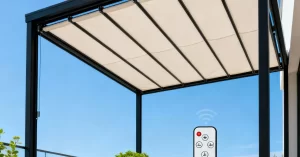
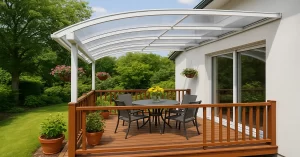
When it comes to building or renovating a home in India, few decisions are as consequential as choosing the right roof design. Your roof isn’t just a protective barrier against the elements—it’s a critical investment that impacts your energy bills, interior comfort, structural longevity, and property value. Yet many homeowners overlook the nuances of roofing design, focusing only on cost rather than understanding how different roof types perform under India’s diverse climate conditions.
Whether you live in monsoon-heavy Kerala, the scorching deserts of Rajasthan, the salt-laden coasts of Mumbai, or the temperamental mixed climates of Bangalore and Delhi, the right roof design can reduce your cooling costs by 20-30%, enhance natural lighting by 60-70%, and even generate renewable energy. At Undertaking Engineering Enterprise, we’ve spent over 15 years designing, fabricating, and installing premium roofing solutions for industrial, commercial, and residential projects across India.
With our hands-on expertise and commitment to precision engineering, we understand that your roof deserves the same innovation and careful planning as any other component of your home. This comprehensive guide explores seven innovative home roof design ideas that will not only transform your living space but also deliver measurable benefits through improved energy efficiency, enhanced aesthetics, and long-term durability.
Understanding Roof Design: More Than Just Protection
Before diving into innovative designs, it’s important to understand why roof design matters so profoundly for your home. A well-designed roof serves multiple critical functions simultaneously: it protects your structure from rain, wind, and extreme temperatures; it manages the flow of water away from your home to prevent leaks and foundation damage; it contributes significantly to your home’s thermal performance, directly affecting heating and cooling costs; and it represents a major aesthetic and architectural statement that influences your home’s curb appeal and resale value.
In India’s diverse climate zones, the importance of climate-matched roof design becomes even more pronounced. The monsoon regions of Kerala and Assam experience annual rainfall exceeding 2,000mm, making water management the primary design consideration. Studies from IIT Madras have demonstrated that homes with sloped roofs experience 47% fewer leakage complaints compared to flat-roof designs in monsoon regions.
Conversely, in the hot, dry climates of Rajasthan and Gujarat, where temperatures regularly exceed 45°C, the reflective properties and insulation value of your roof become paramount. Coastal areas like Mumbai, Chennai, and Goa present a unique challenge: the salt-laden air and high humidity accelerate corrosion, requiring materials specifically engineered for coastal durability. Meanwhile, mixed-climate cities like Bangalore and Delhi demand versatile designs that balance both heating and cooling needs throughout the year.
Common Roof Styles and Why Innovation Matters
Traditional roof designs—gable roofs, hip roofs, and flat roofs—have served homeowners well for generations. Gable roofs with their triangular profile excel at shedding water and snow, making them popular in hilly and monsoon regions. Hip roofs, sloping on all four sides, provide superior wind resistance and distribute stress more evenly, making them ideal for coastal areas. Flat roofs maximize usable terrace space and suit modern architectural aesthetics, though they require more sophisticated waterproofing and drainage systems.
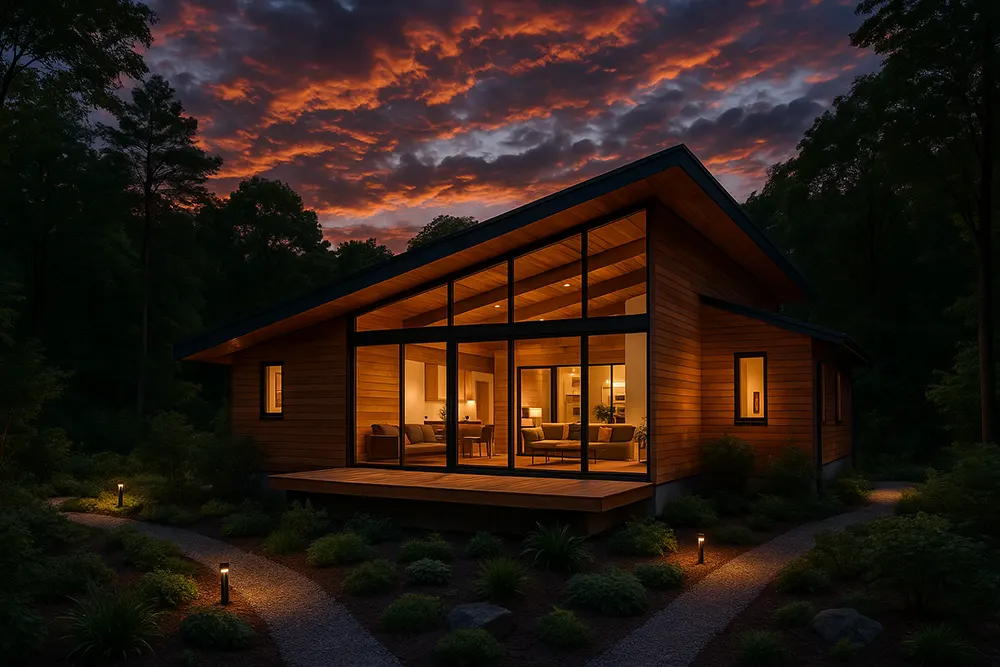
However, modern building science and contemporary design principles have revealed opportunities for optimization that traditional designs don’t fully capture. Today’s homeowners increasingly seek roofs that do more than shelter; they want designs that generate clean energy, improve indoor air quality, enhance natural lighting, support urban agriculture, and reduce environmental impact. This is where innovative roof designs step in, combining time-tested principles with cutting-edge engineering to deliver performance, sustainability, and aesthetic appeal that traditional designs cannot match.
7 Innovative Home Roof Design Ideas
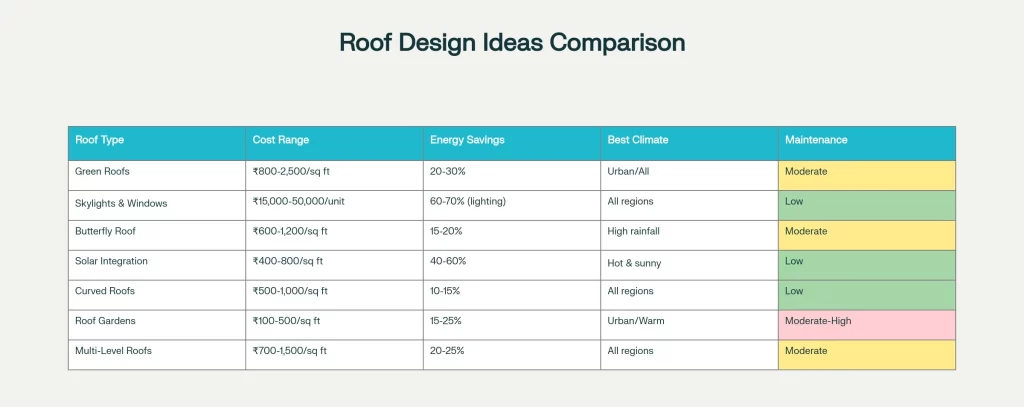
Comprehensive comparison of 7 innovative home roof design ideas for India, showing cost, energy savings, climate suitability, and maintenance requirements
1. Green Roofs: Bringing Living Systems to Your Roofline
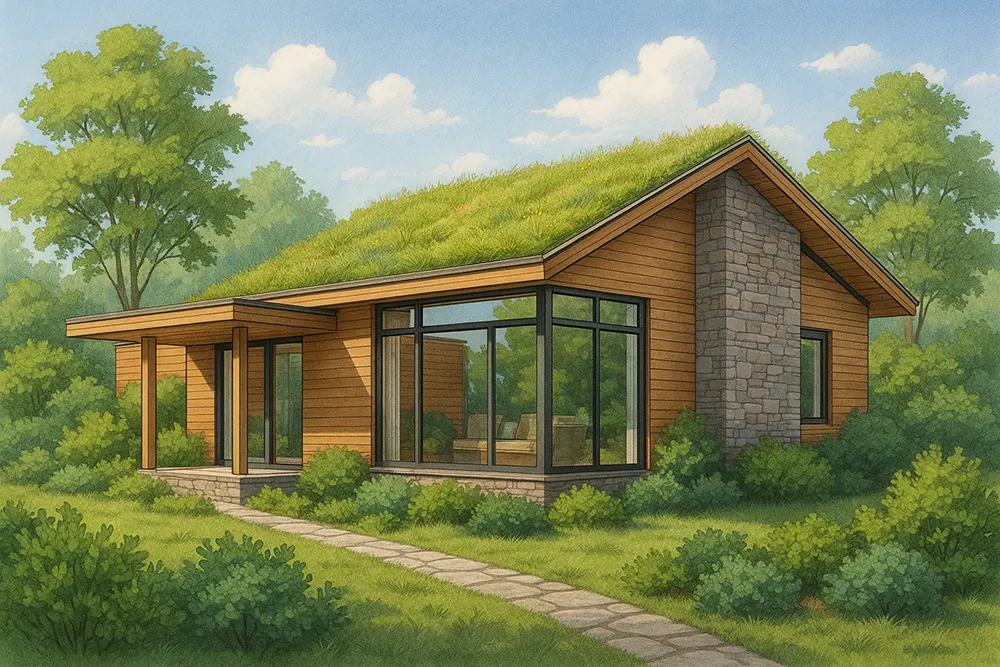
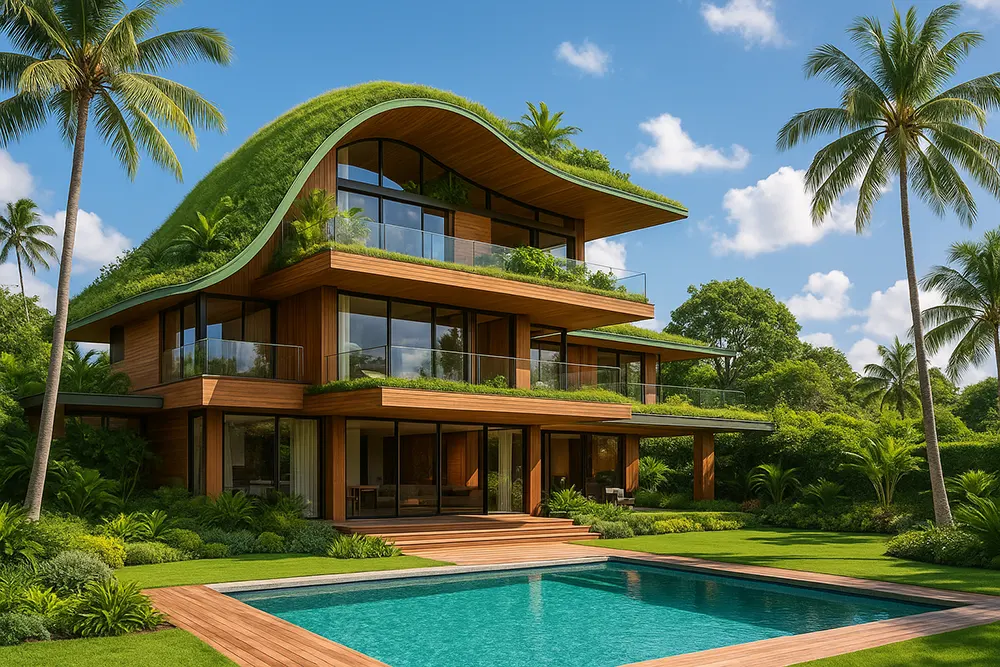
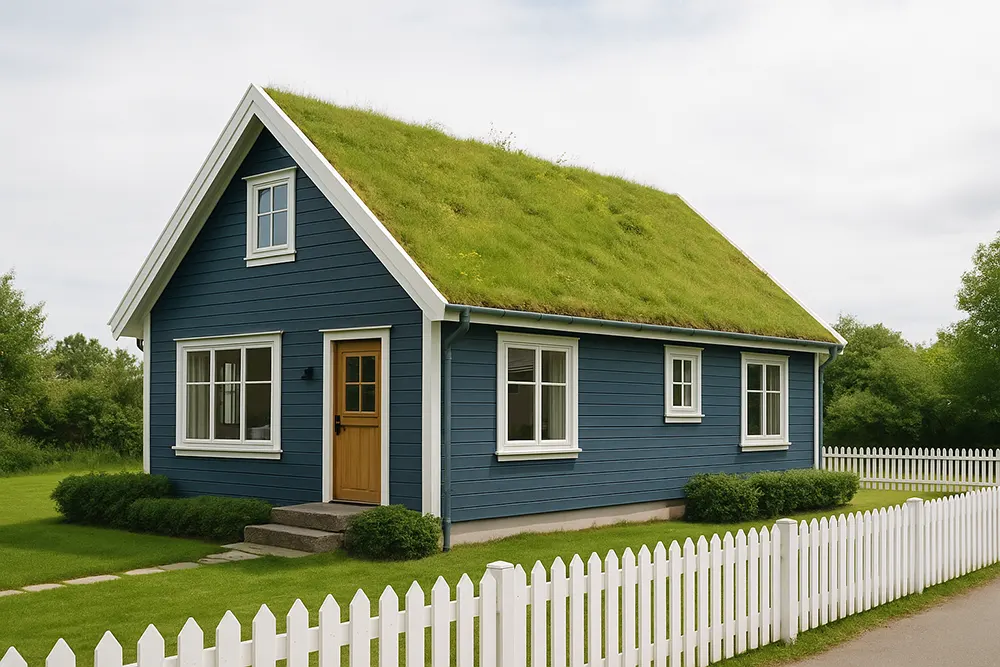
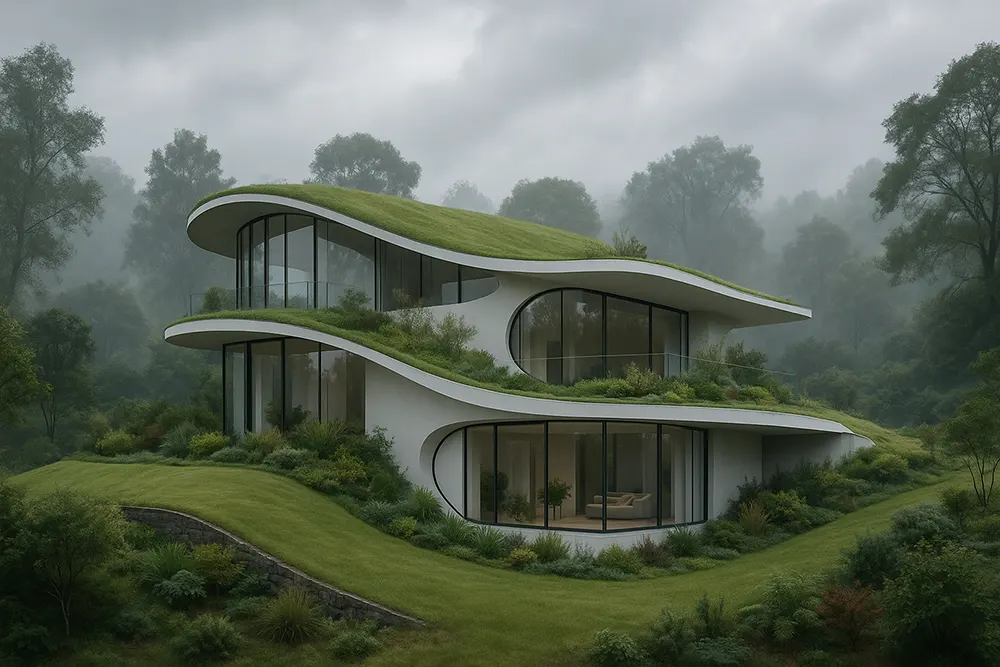
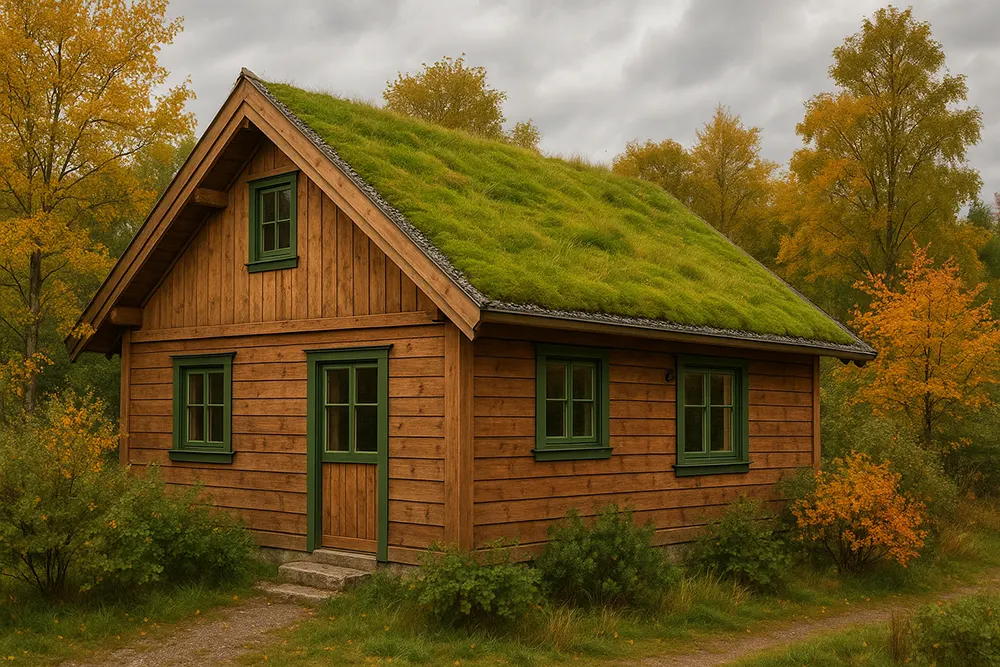
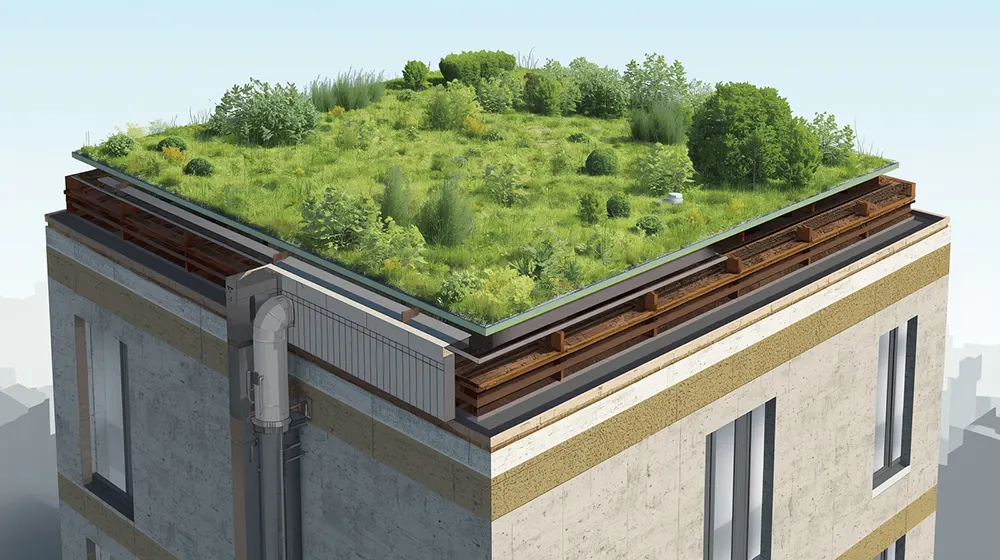
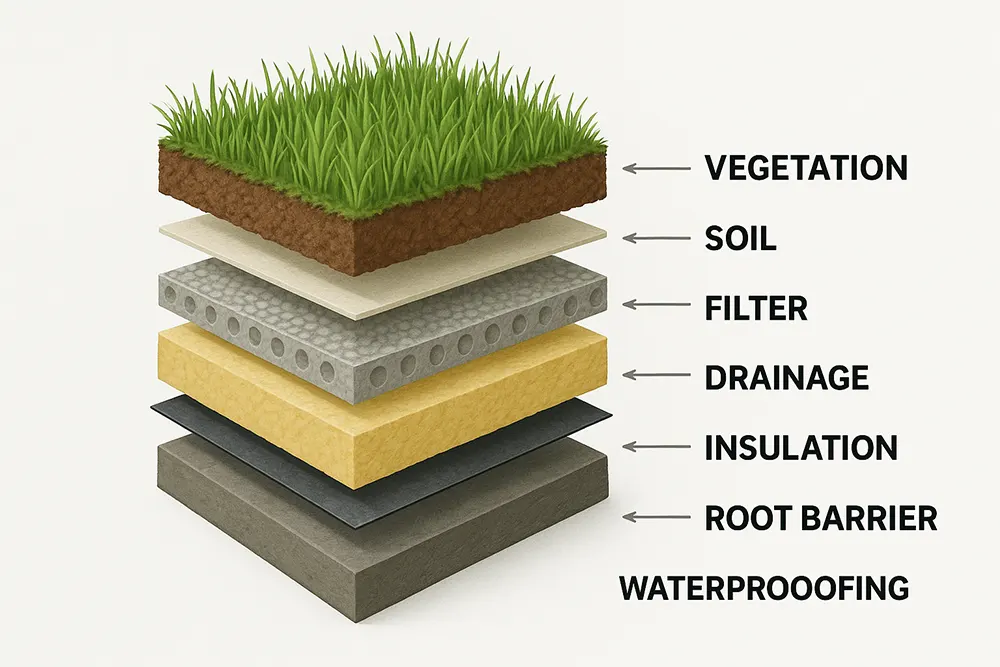
Green roofs represent one of the most transformative innovations in residential architecture, particularly for India’s urban centers. Unlike traditional roofs, green roofs feature a comprehensive system of layers: a waterproofing membrane, root barrier, drainage layer, growing medium (specially engineered soil), and vegetation. This living system delivers extraordinary benefits that compound over time.
Benefits of Green Roofs
The energy savings from green roofs are remarkable. By absorbing and retaining water, then releasing it through evapotranspiration, green roofs create a cooling effect that reduces indoor temperatures by 3-5°C during summer months. This translates directly to your electricity bills—homeowners typically report 20-30% reductions in cooling costs, with potential annual savings ranging from ₹8,000 to ₹15,000 depending on your home’s size and location. Beyond energy efficiency, green roofs provide superior stormwater management, reducing runoff by up to 50-80% and mitigating urban flooding—a critical benefit in cities like Mumbai and Bangalore, where monsoon flooding increasingly disrupts infrastructure. They also dramatically improve air quality by filtering particulates and increasing oxygen production, particularly valuable in pollution-heavy metropolitan areas.
Installation and Maintenance Considerations
Green roof installation begins with professional waterproofing—the foundation of any successful green roof system. A specialized root barrier prevents vegetation from penetrating your building envelope, followed by a drainage layer that prevents water stagnation. Growing medium must be specifically engineered for roof applications, typically 10-20cm deep for extensive systems (lighter, lower-maintenance) or 20-40cm for intensive systems (supporting shrubs and small trees). Installation costs range from ₹800-1,500 per square foot for extensive systems to ₹1,500-2,500 per square foot for intensive systems. Maintenance requirements are moderate—regular watering during dry seasons, periodic weeding, and seasonal fertilizing keep your green roof thriving year-round.
Best Applications for Indian Homes
Green roofs are particularly suitable for metro cities where urban heat islands drive temperatures 5-7°C higher than surrounding areas. Bangalore’s tech parks, Mumbai’s residential towers, and Delhi’s premium developments increasingly feature green roofs. These designs work best for homeowners with environmental consciousness, those seeking measurable energy savings, and properties where rooftop space can be aesthetically integrated into the home’s overall design. Several Indian cities, including Mumbai and Bangalore, now offer tax incentives and subsidies for green roof installations, effectively reducing your net investment.
2. Skylights and Roof Windows: Maximizing Natural Light
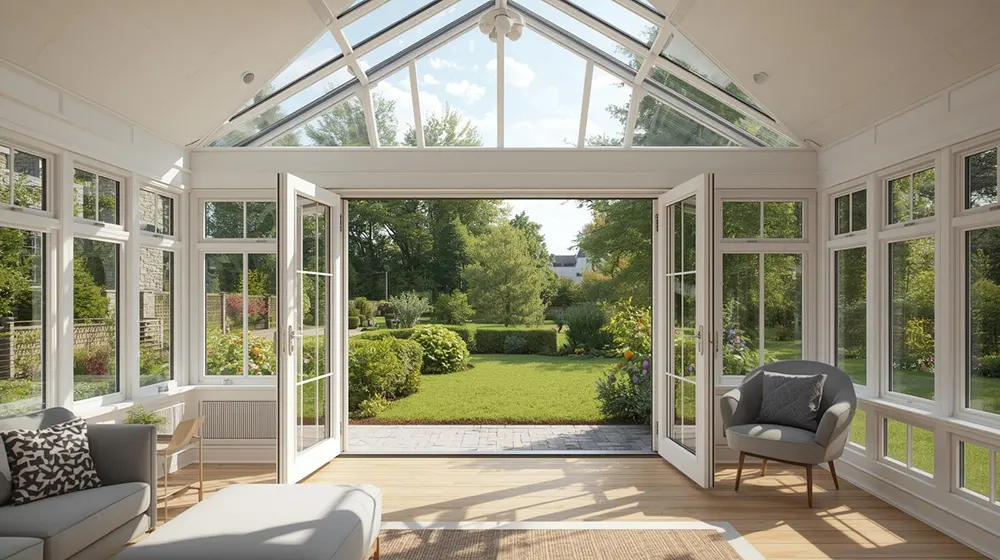
Natural light is a precious commodity in Indian homes, yet traditional roofs limit daylight penetration to vertical windows and doors. Skylights and roof windows dramatically transform interior spaces by introducing three times more light than vertical windows of equivalent size, while simultaneously improving ventilation and creating a sense of openness that expands spatial perception.
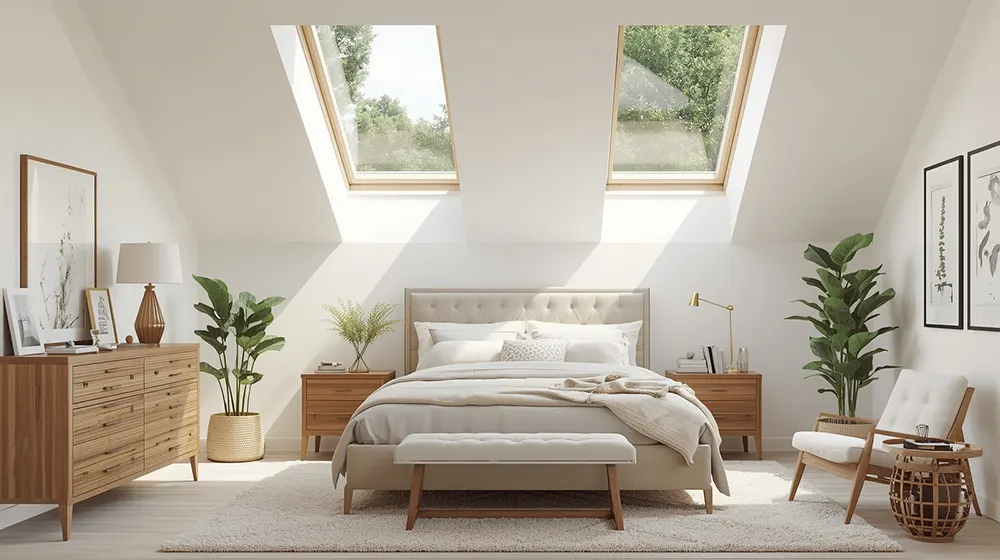
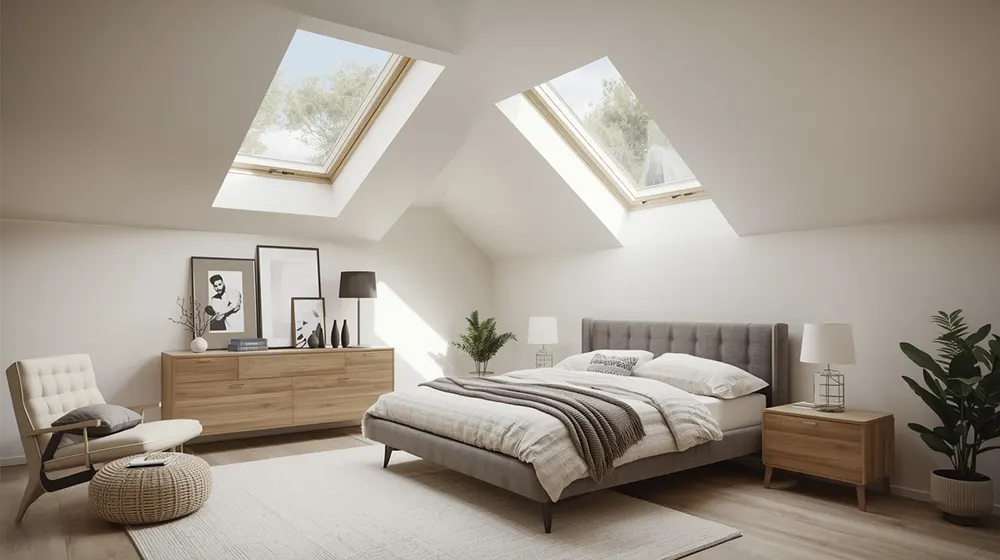
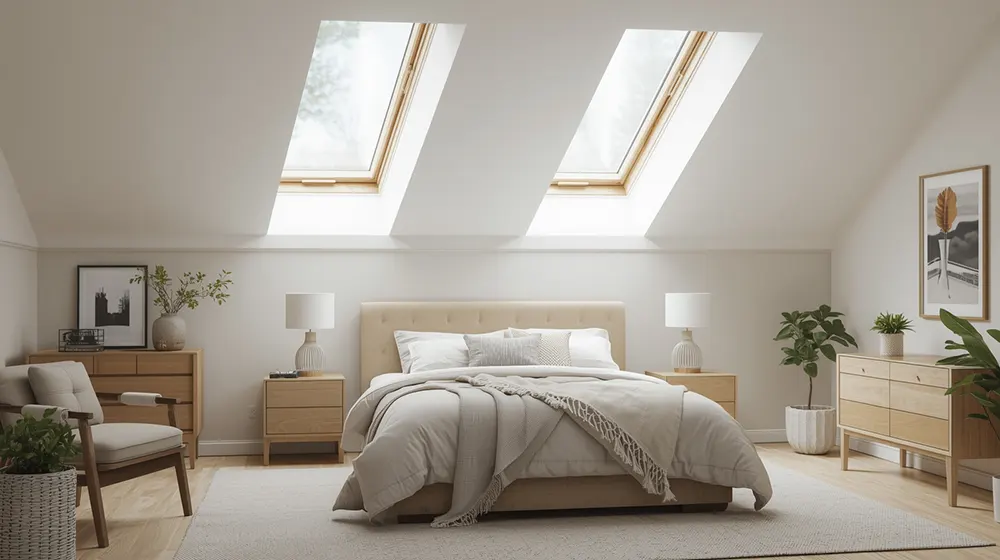
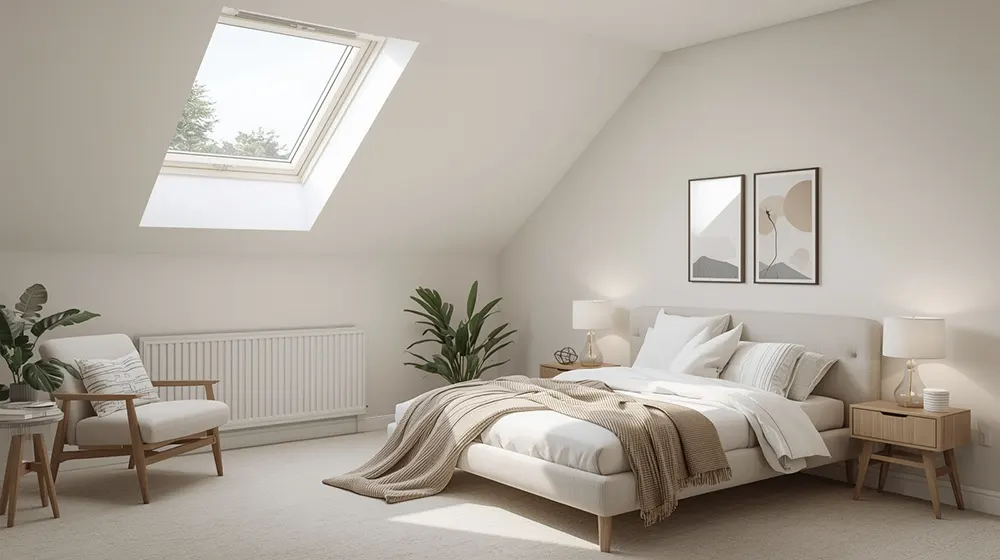
Enhancing Natural Light and Ventilation
Different skylight types serve different purposes. Fixed skylights provide maximum light without moving parts, ideal for kitchens and living rooms where consistent illumination enhances functionality and ambiance. Ventilated skylights open to allow hot air to escape, providing natural cooling during mild weather and reducing dependency on air conditioning during shoulder seasons. Tubular skylights, also called solar tubes, use a reflective tube to channel daylight from the roof to interior spaces, making them perfect for bathrooms, hallways, and interior rooms far from exterior walls. Pyramid and dome skylights create dramatic architectural features while distributing light more evenly than traditional flat skylights.
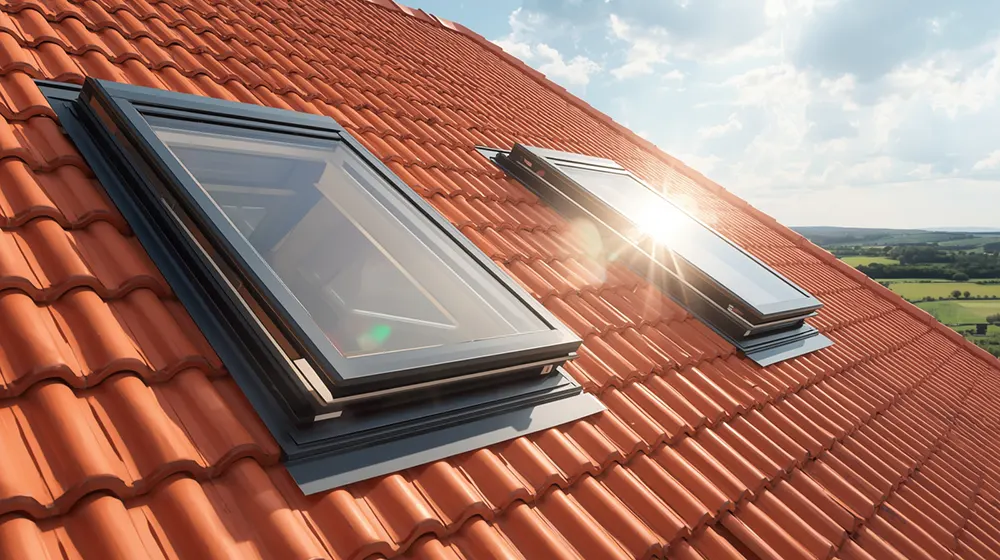
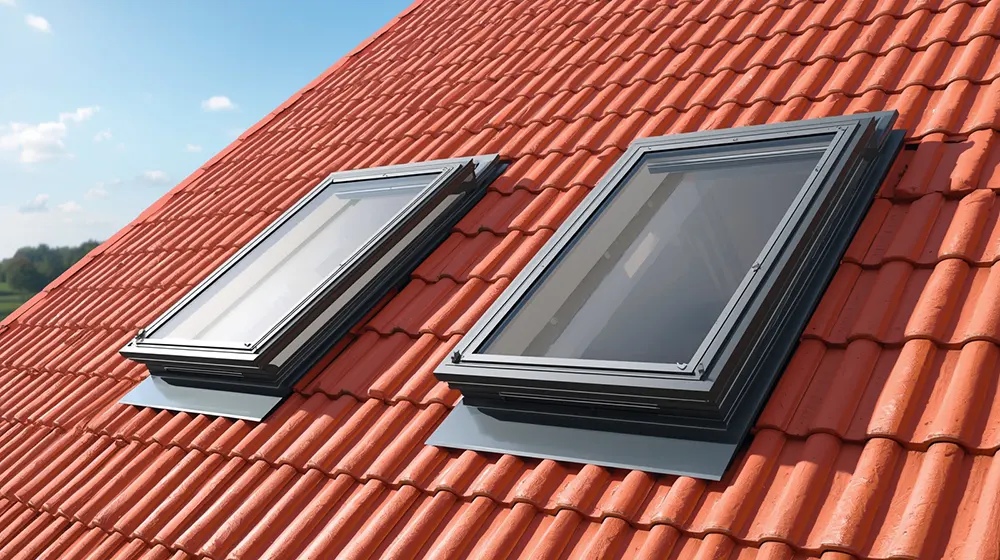
The energy efficiency gains are substantial—properly positioned skylights can reduce artificial lighting requirements by 60-70%, translating to monthly electricity savings of ₹500-1,500 depending on usage patterns. Beyond energy savings, natural light provides proven psychological benefits, improving mood, productivity, and sleep quality. Studies consistently show that spaces with abundant natural light command higher rental premiums and resale values.
Climate Considerations for Indian Installation
In India’s intense sun environment, skylight placement and specification become critical. North-facing skylights capture indirect light without excessive heat gain, ideal for most Indian climates. South and west-facing skylights require specialized low-emissivity (low-E) glazing that reflects infrared radiation while transmitting visible light, preventing your home from turning into an oven during summer. Monsoon considerations are equally important—all skylights must feature monsoon-rated sealing and robust flashing to prevent water infiltration during heavy rainfall. Professional installation costs range from ₹15,000 for basic fixed skylights to ₹50,000 or more for premium ventilated systems with motorized controls.
3. Butterfly Roof Design: Form Meets Function
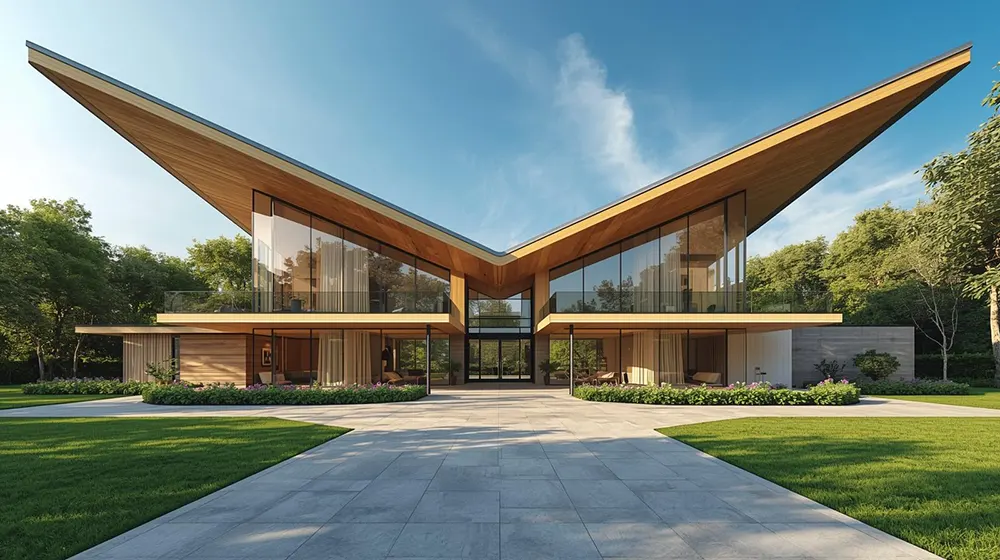
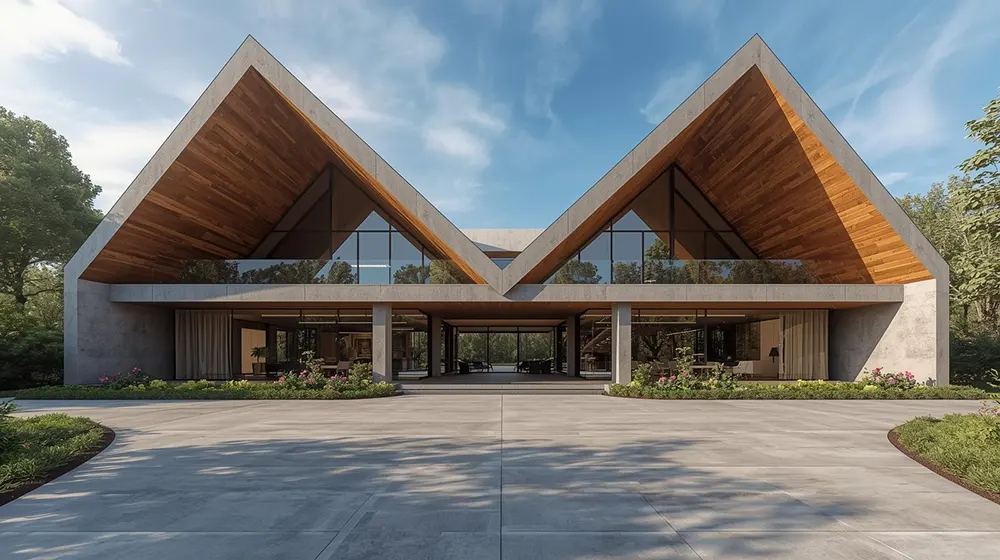
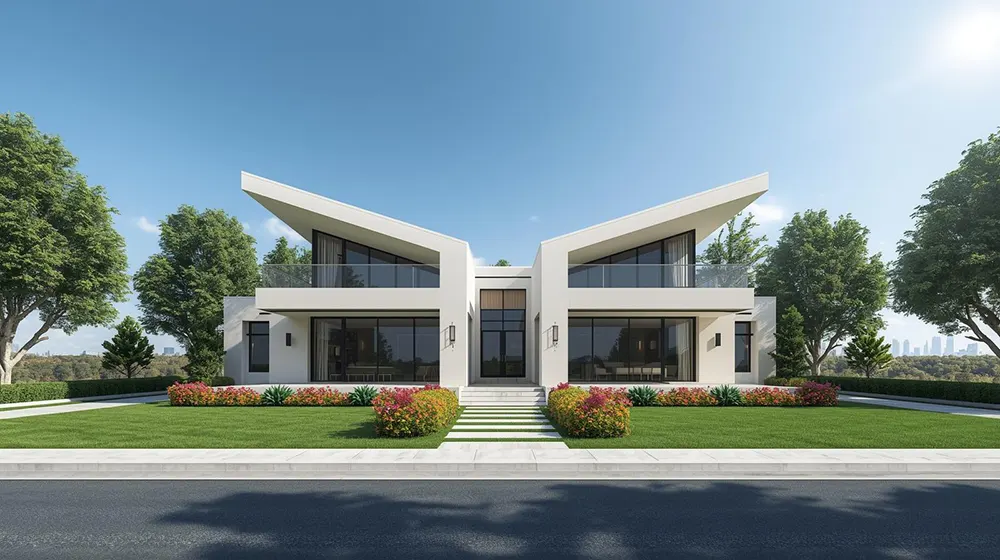
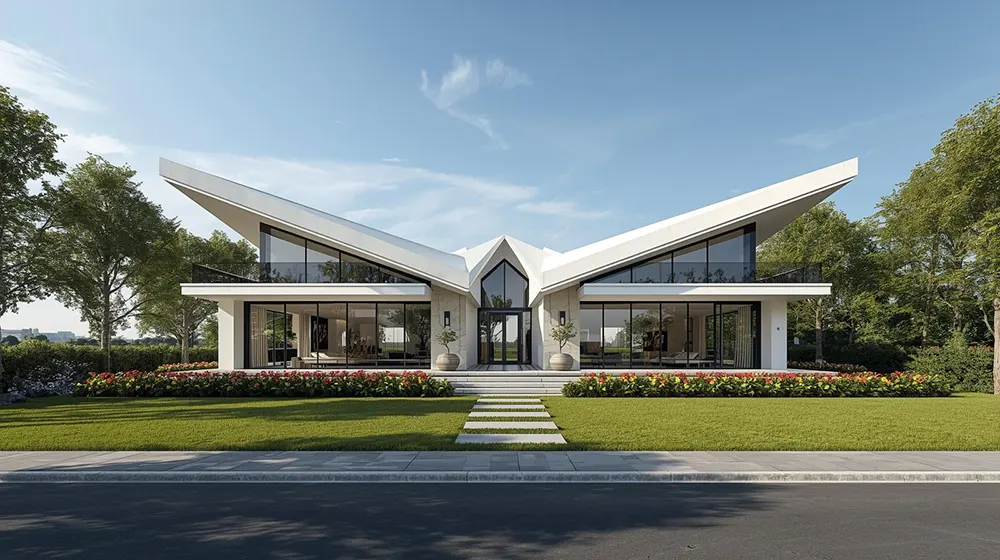
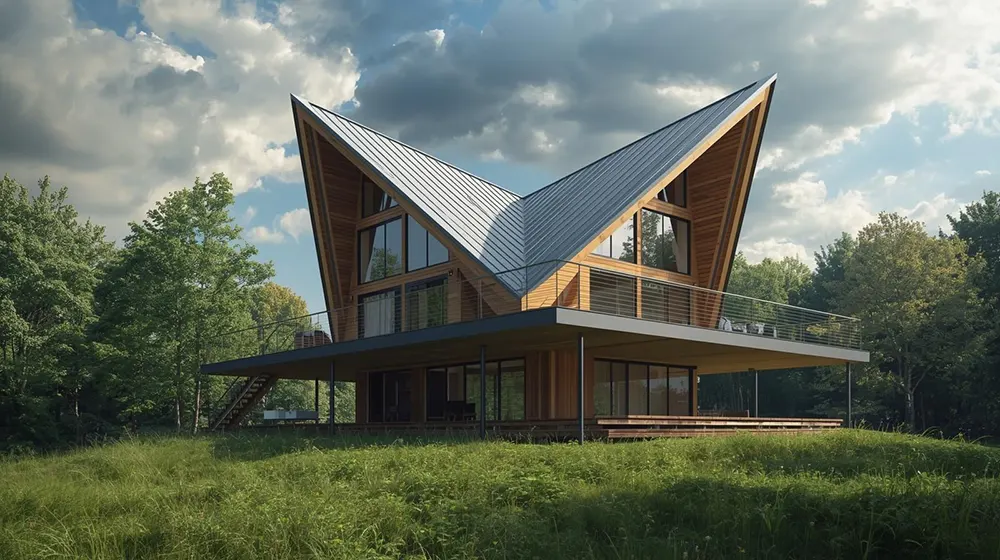
The butterfly roof represents one of the most distinctive and functionally elegant innovations in contemporary architecture. Named for its inverted V-shape—resembling butterfly wings spread downward—this design reverses the traditional roof pitch, creating a central valley that becomes a powerful tool for water management, architectural drama, and sustainable design.
Unique Aesthetics and Rainwater Harvesting Functionality
A butterfly roof slopes down from the edges toward a central valley, the opposite of conventional designs. This creates several immediate benefits: the inward slope naturally channels rainwater to a central collection point where it can be harvested and stored in underground tanks. A single butterfly roof can collect up to 30,000 liters annually from a modest 200 square meter home—a transformative asset in water-stressed regions like Bangalore and semi-arid areas of Rajasthan and Gujarat. Beyond water harvesting, the central valley opens design possibilities for large windows and skylights, introducing abundant natural light and creating dramatic interior ceiling vaults that define modern architecture.
Design Excellence and Waterproofing Mastery
The butterfly roof’s central valley demands meticulous waterproofing and drainage design. Unlike conventional roofs where water naturally runs off edges, the butterfly roof requires precise slope calculations (typically 5-15 degrees) and superior materials to prevent water pooling. The collection valley must feature multiple redundant drains, gutters with adequate slope, and oversized downspouts to handle monsoon intensities. Implementation costs range from ₹600-1,200 per square foot, reflecting the complexity of engineering excellence. When properly designed and installed by experienced professionals like Undertaking Engineering Enterprise, butterfly roofs deliver exceptional performance in high-rainfall regions throughout Kerala, the Western Ghats, and coastal Maharashtra.
4. Solar Panel Integration: Your Roof as a Power Plant
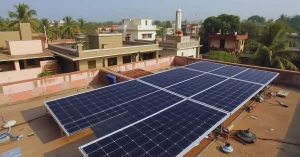
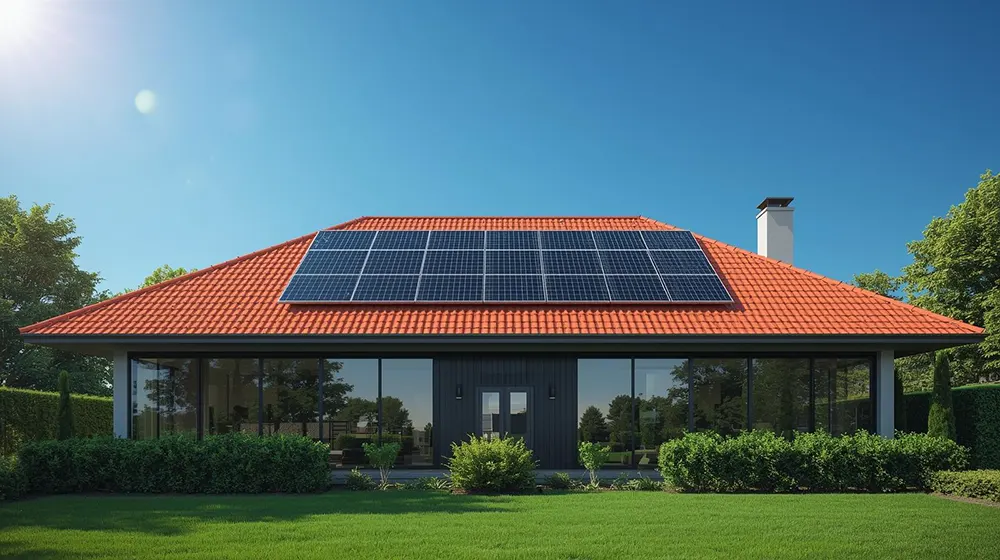
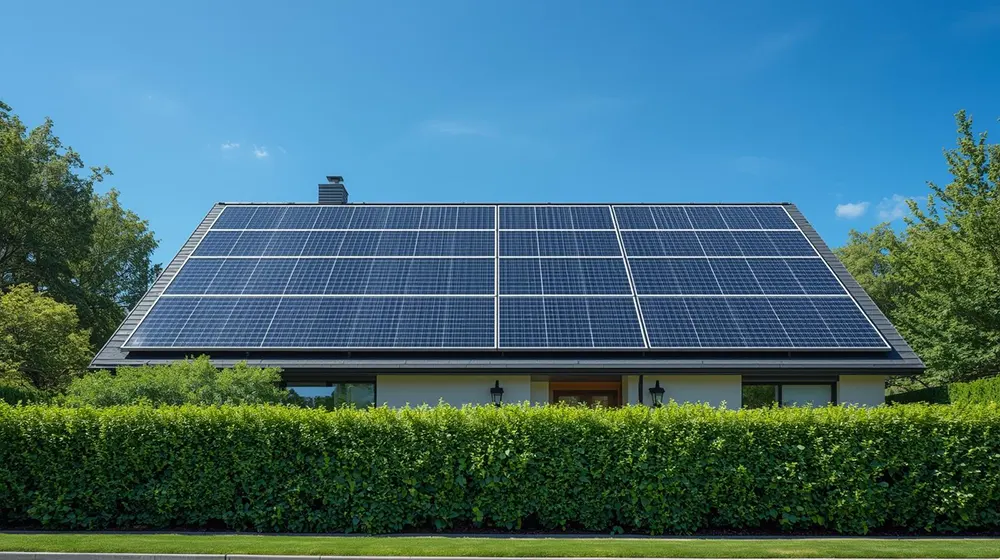
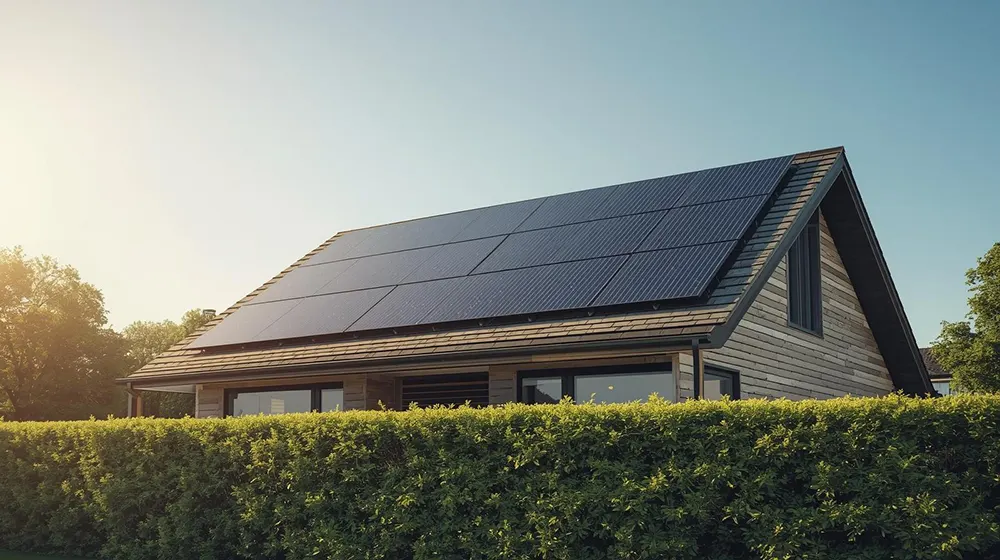
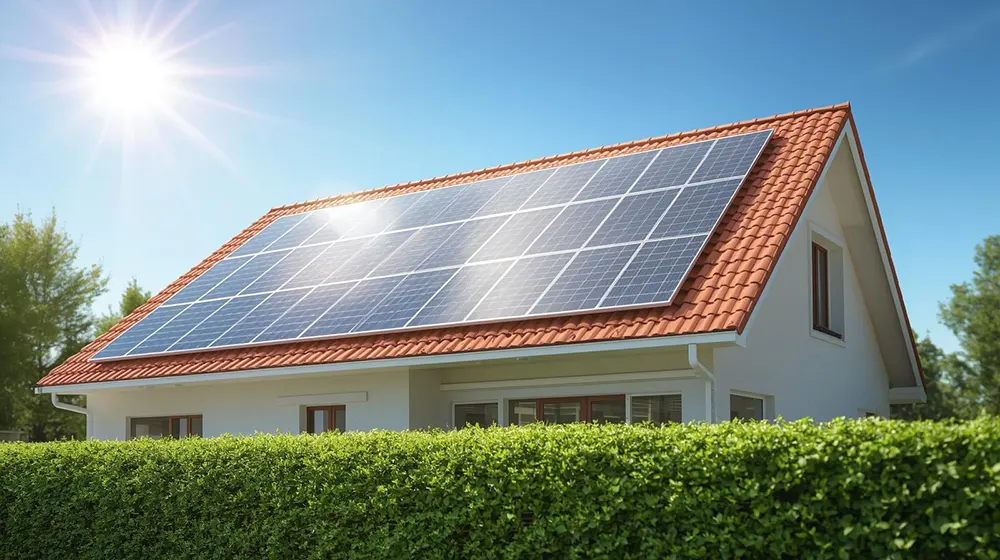
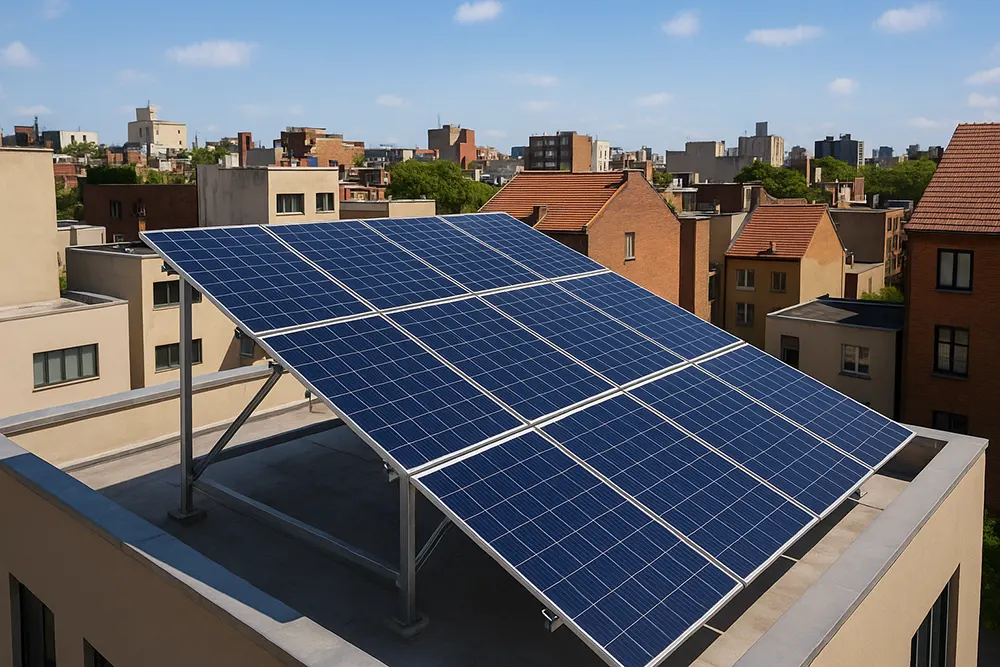
As energy costs rise and environmental consciousness grows, solar panel integration represents not just an architectural trend but an economic necessity for forward-thinking homeowners. Modern solar roof systems have evolved beyond simple panel mounting; integrated solar roofs (InRoof systems) seamlessly blend power generation into your roof’s structure, combining the functions of roofing material and solar panel into a single unified system.
Sustainable Energy Solutions and Economic Returns
InRoof systems integrate photovoltaic cells directly into your roofing material—whether metal sheets, shingles, or specialized solar tiles. The advantages over traditional rooftop mounting are compelling: 10% greater energy generation efficiency due to superior airflow and heat dissipation around integrated cells; cleaner aesthetics with no protruding panels; reduced installation labor and costs since the solar layer replaces conventional roofing material; and better structural integration, distributing weight evenly. A typical 5kW residential InRoof system costs ₹400-800 per square foot installed, with payback periods of 2-5 years depending on electricity consumption and local tariffs.
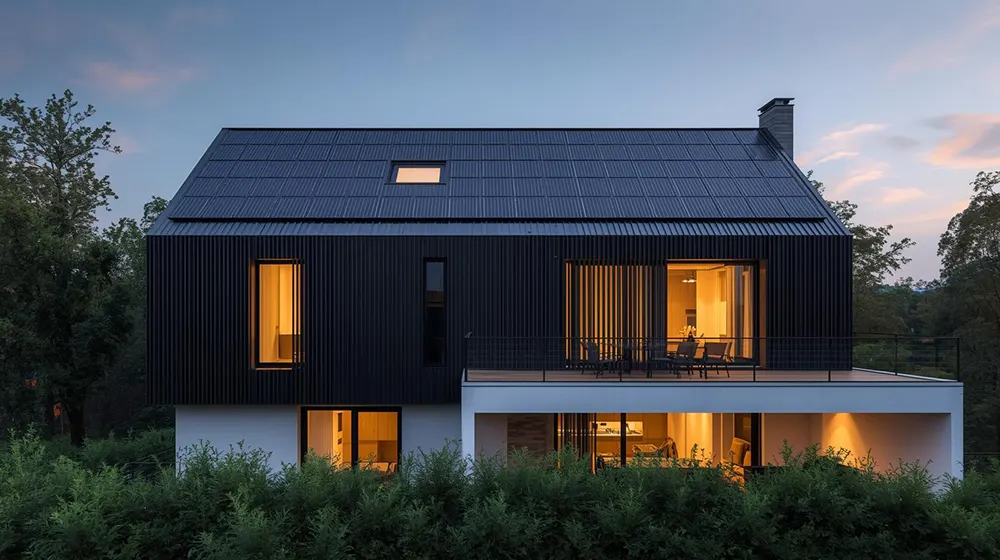
The financial benefits accelerate when factoring in government incentives. India’s National Solar Mission, state-level subsidies (particularly in Gujarat, Rajasthan, and Maharashtra), and net metering policies that credit excess generation back to the grid make solar integration increasingly attractive. Many Indian states now offer ₹2-4 per watt subsidies for residential solar installations, effectively reducing your net investment by 30-40%. Considering that Indian homes receive 300+ days of annual sunlight and average peak sun hours of 4.5-5.5 hours daily, the resource base for solar generation is exceptional.
Integration Types and Specifications
InRoof systems (integrated into roofing material) deliver superior performance compared to traditional on-roof mounting. Building-Integrated Photovoltaic (BIPV) technology is rapidly advancing, with solar tiles now available that perfectly mimic traditional clay or concrete tile aesthetics while generating electricity. The most advanced systems include battery storage, allowing you to utilize solar generation during evening peak hours when electricity tariffs reach ₹10-15 per unit, and provide backup power during grid outages—increasingly valuable as power reliability concerns grow across Indian cities.
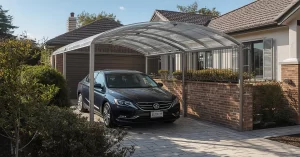
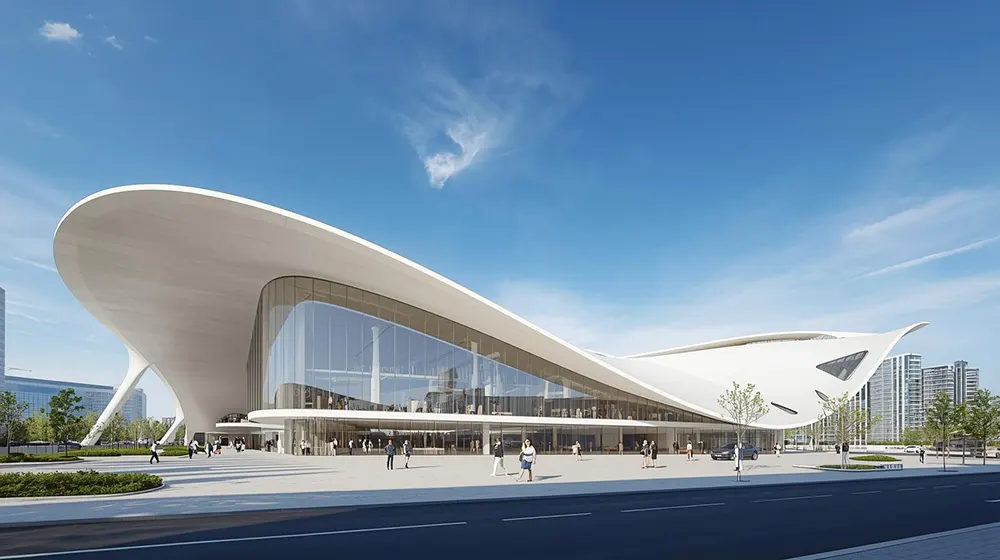
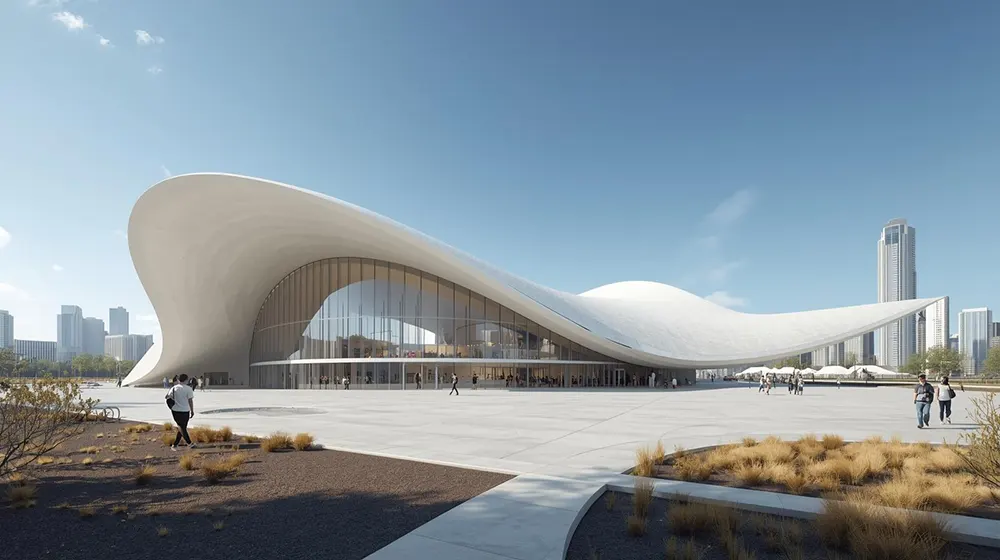
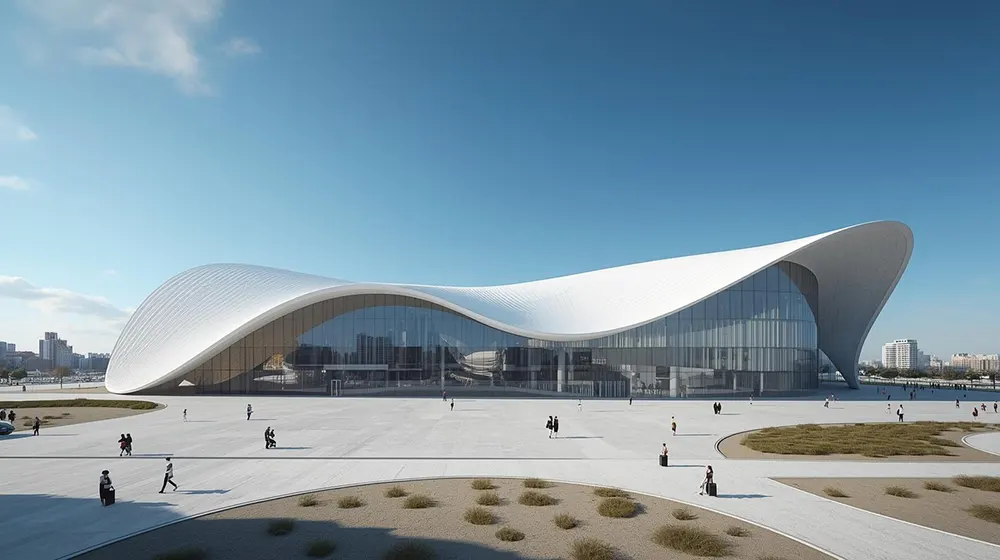
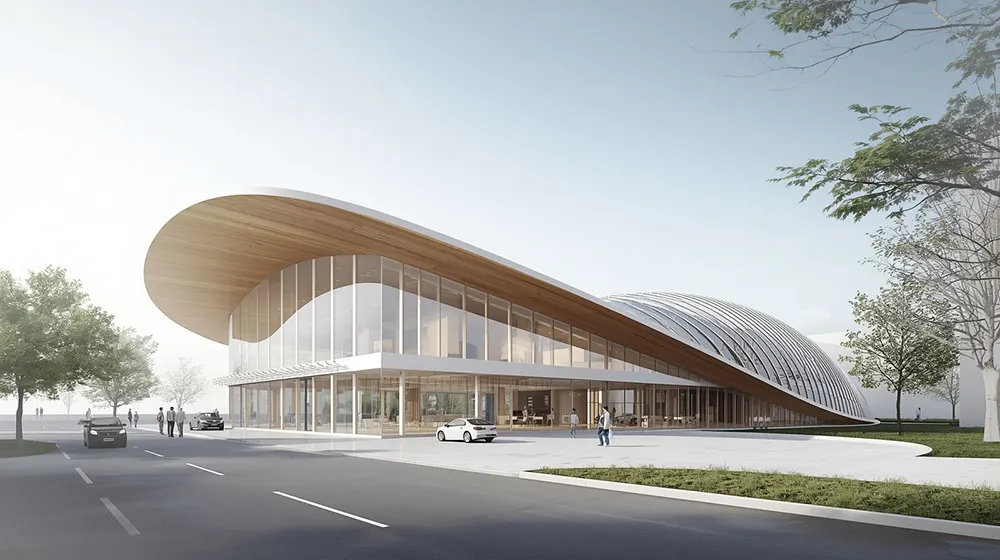
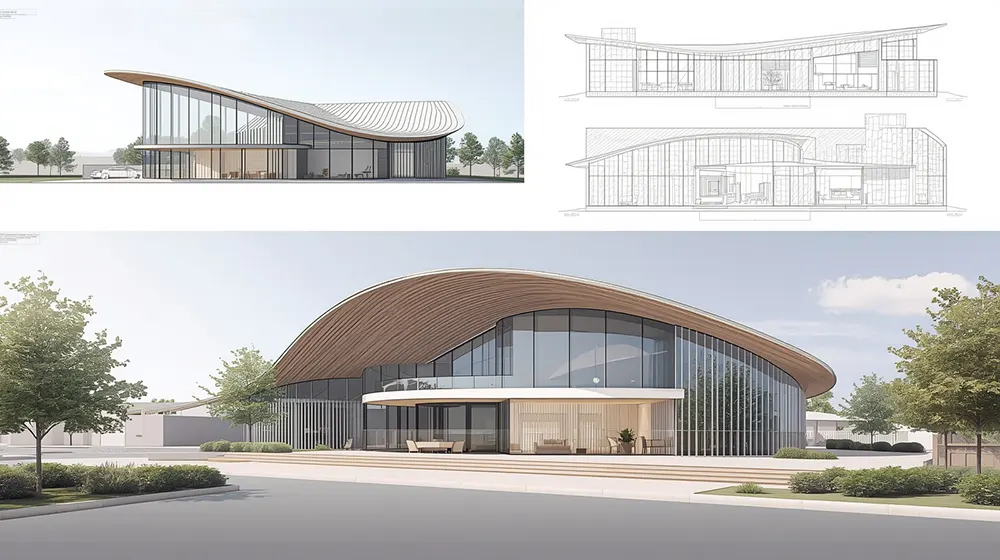
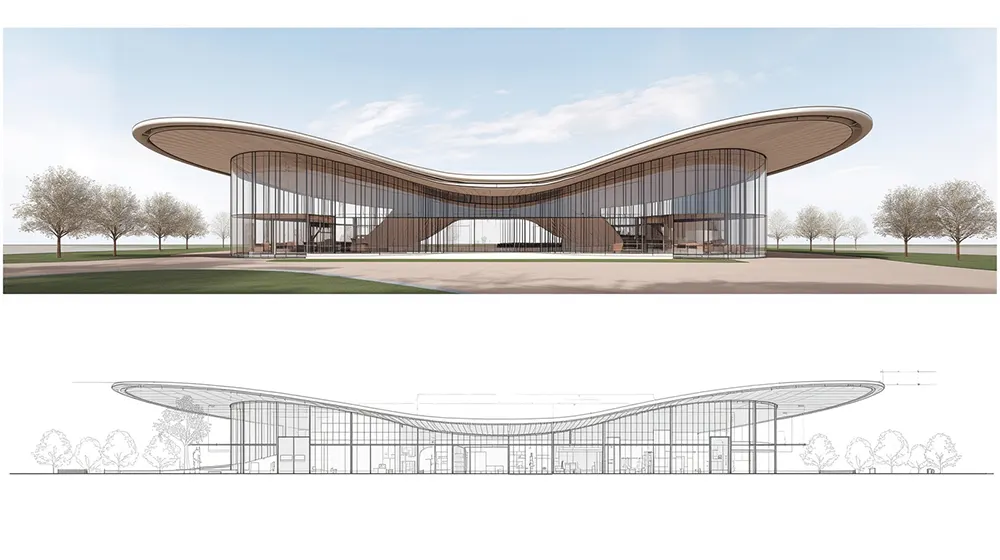
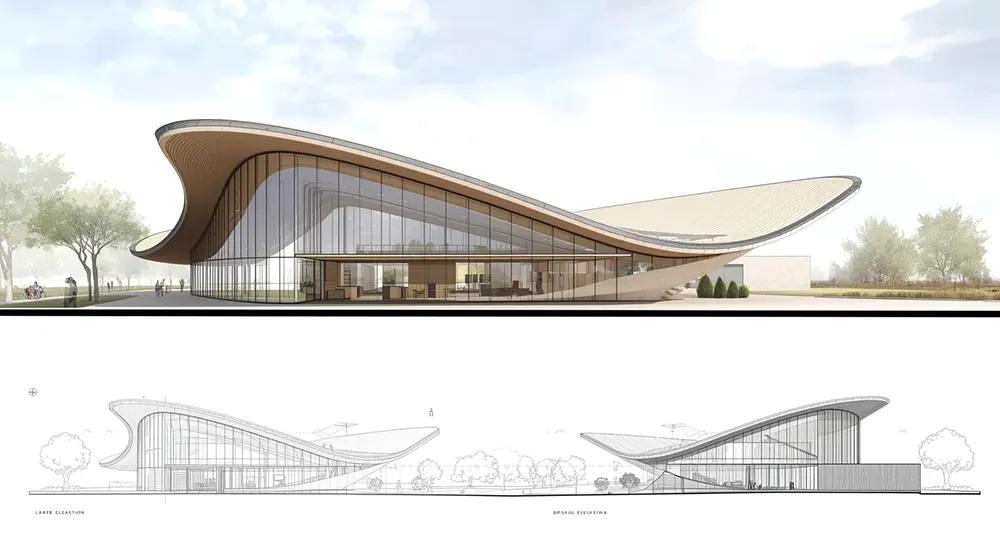
5. Curved Roofs: Modern Architecture Meets Engineering Excellence
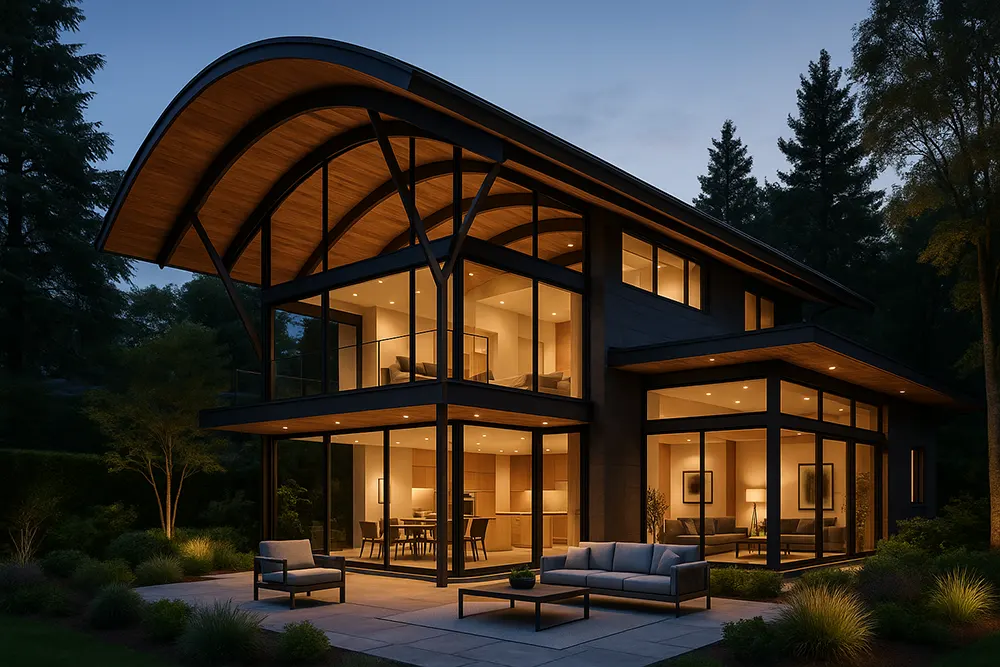
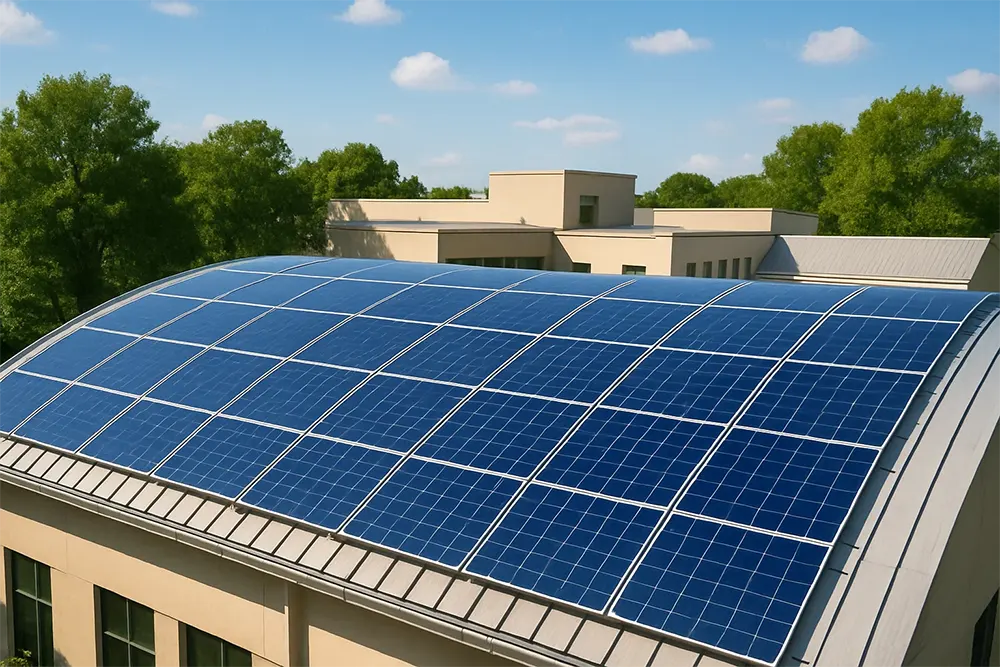
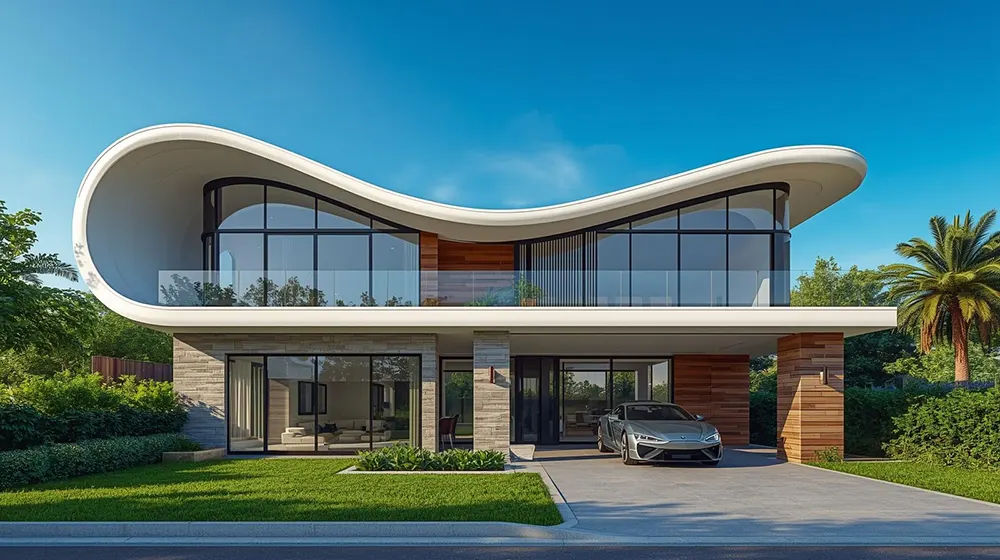
Curved roofs represent contemporary design at its finest, combining stunning aesthetics with superior structural performance. Unlike traditional angular roofing with multiple planes and angles, curved roofs feature smooth, continuous arcs that create dramatic architectural statements while delivering unexpected functional advantages.
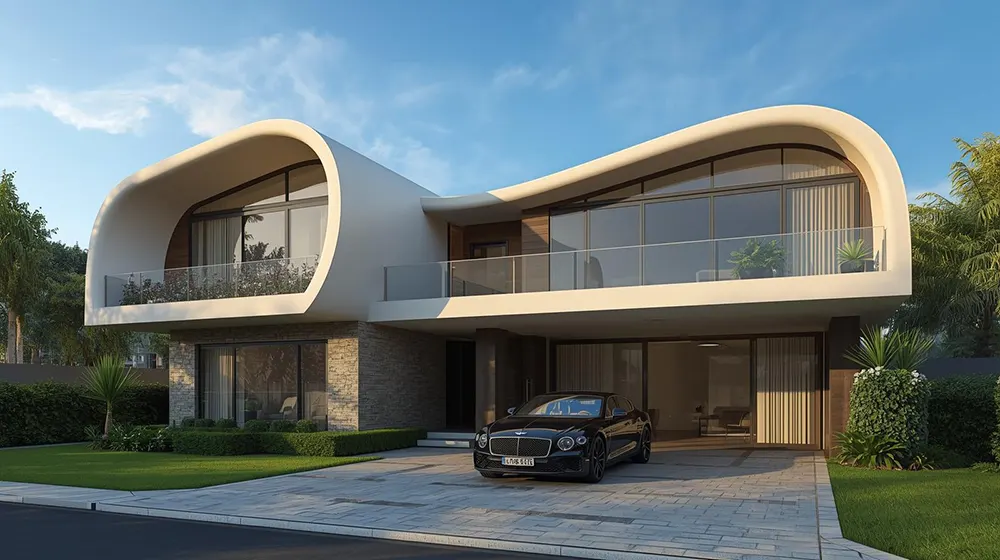
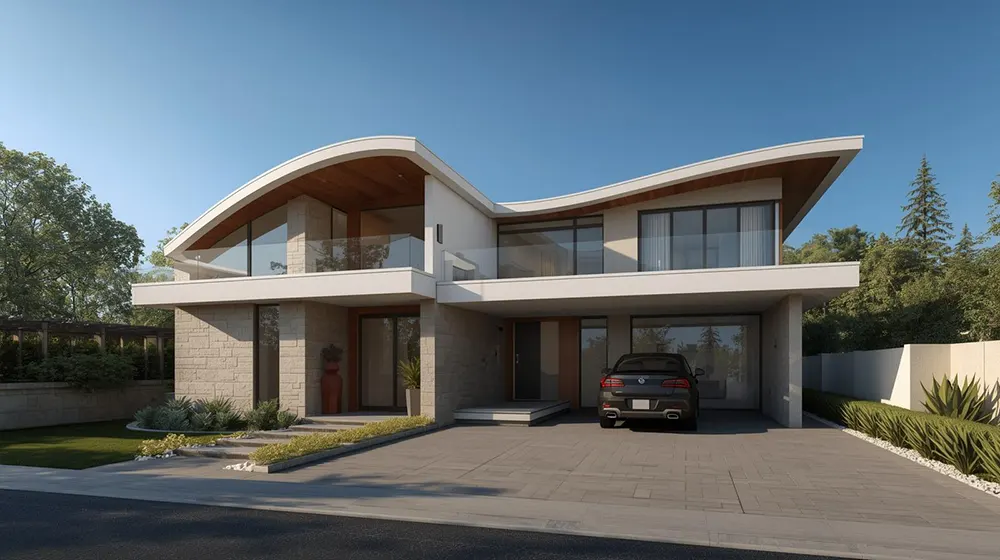
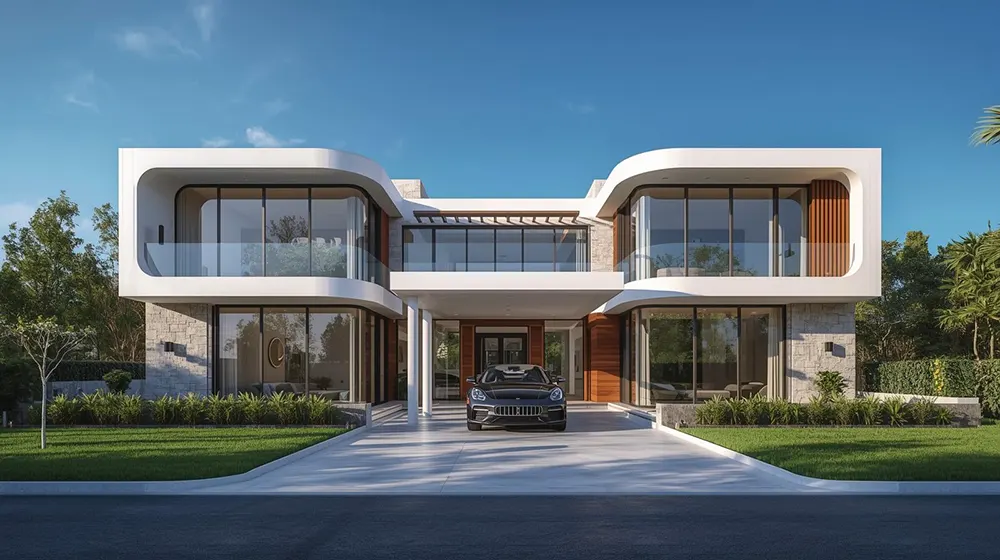
Modern Architectural Appeal and Structural Benefits
The curved roof’s form naturally channels wind forces along its surface rather than creating pressure points where winds could pry panels loose. This aerodynamic efficiency makes curved roofs particularly suitable for high-wind regions, coastal areas, and locations prone to severe storms. Beyond wind resistance, curved roofs optimize interior space utilization—the smooth profile eliminates awkward attic spaces found in traditional roofs, allowing architects to design lower parapet heights while maintaining full interior volume. The aesthetic impact is profound: curved roofs immediately communicate architectural sophistication and modern sensibility, commanding premium property valuations in markets like Bangalore, Pune, and Hyderabad, where contemporary design attracts high-income residents.
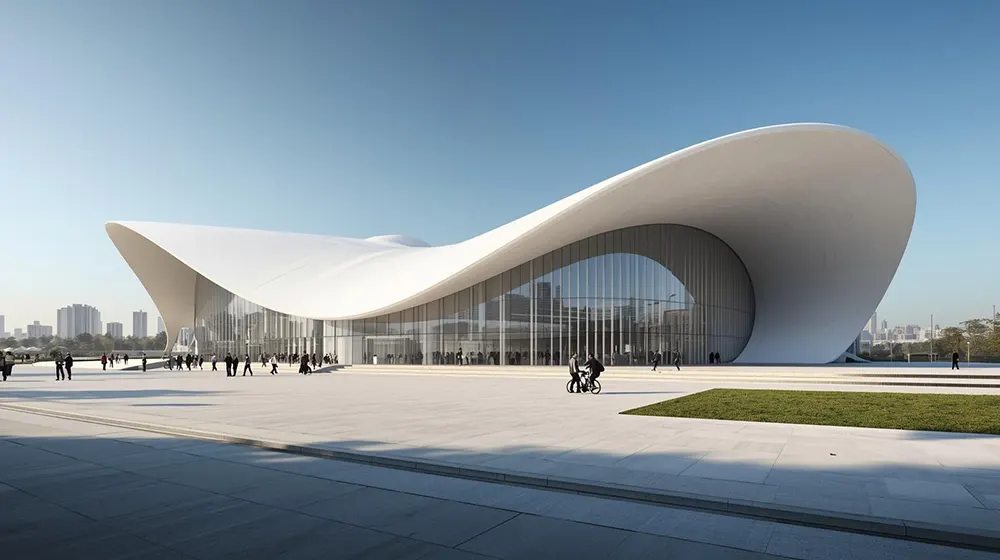
Materials, Manufacturing, and Applications
Curved roofs traditionally utilized specialized curved shingles or metal shakes, but modern manufacturing has revolutionized options. Color-coated galvanized steel can be factory-crimped into profiles like TRIMDEK, FLEX-LOK, KLIP-LOK, and custom ORB designs that combine structural strength with elegant curves. These profiles interlock precisely, creating weather-tight seals without visible fasteners. Installation costs range from ₹500-1,000 per square foot, comparable to premium flat-roof systems. Beyond residential applications, curved roofs have become the signature element for commercial architecture—premium shopping centers, corporate campuses, and institutional buildings throughout India feature curved metal roofing that communicates quality and innovation.
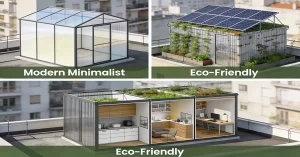
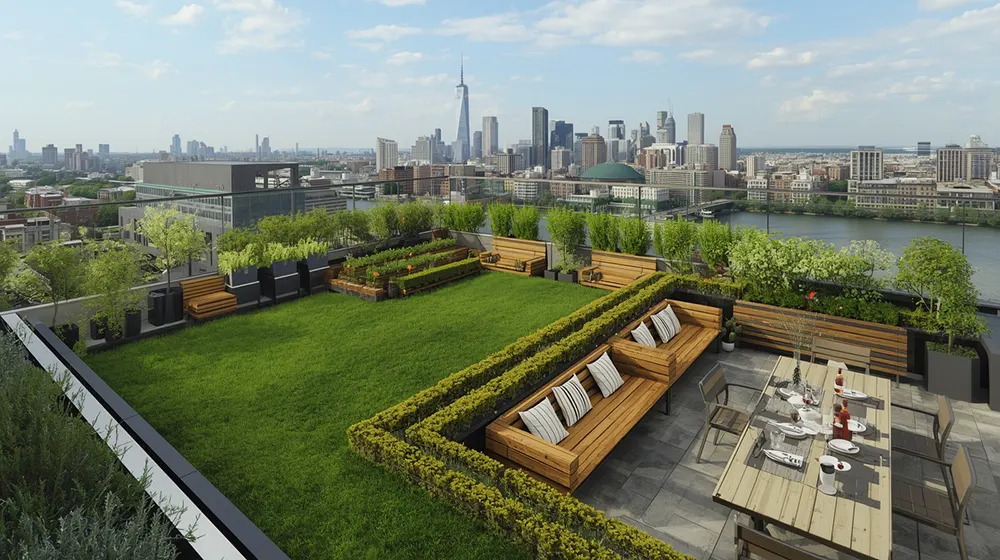
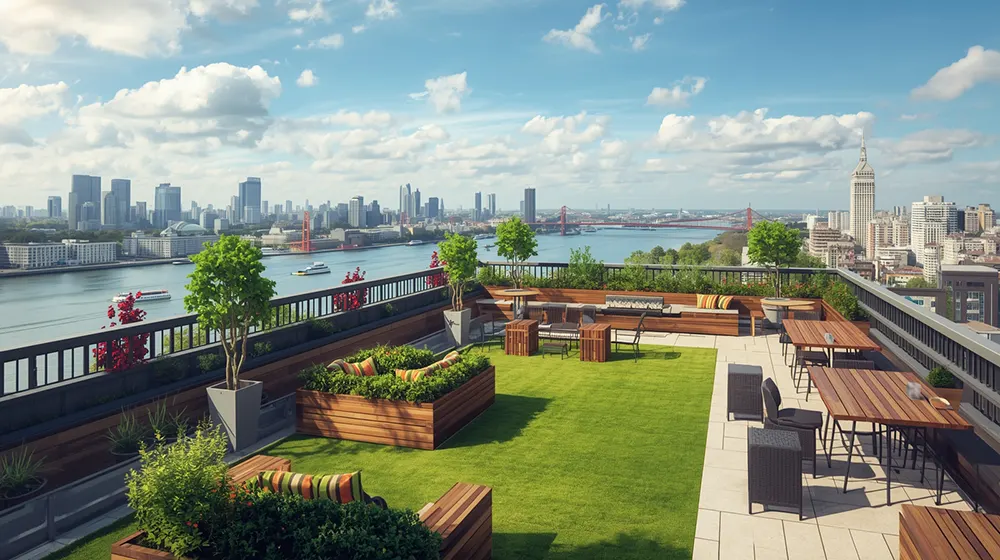
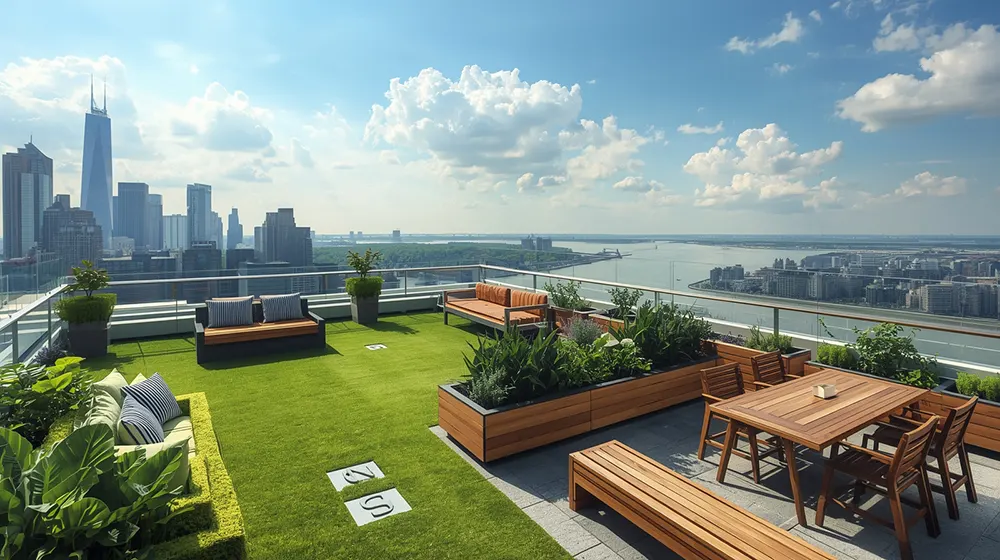
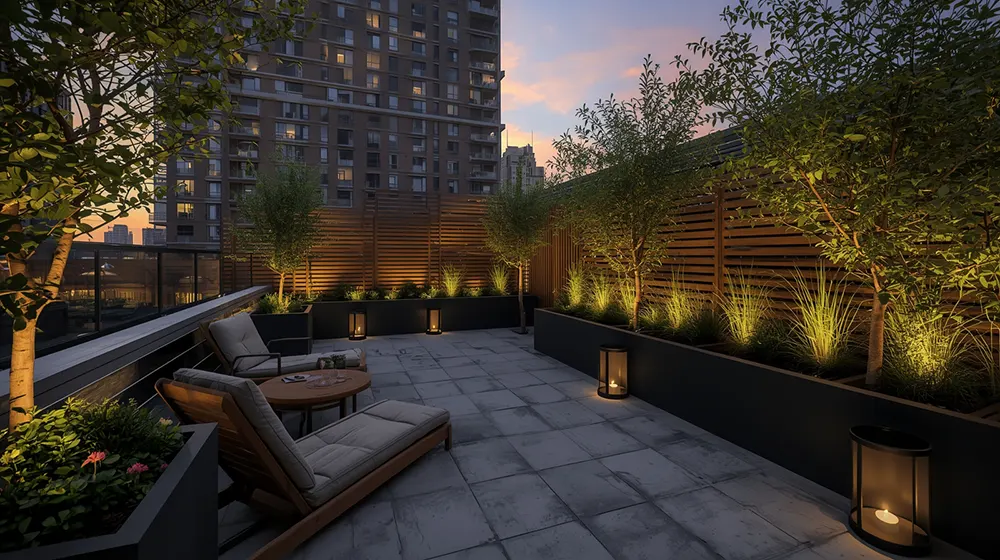
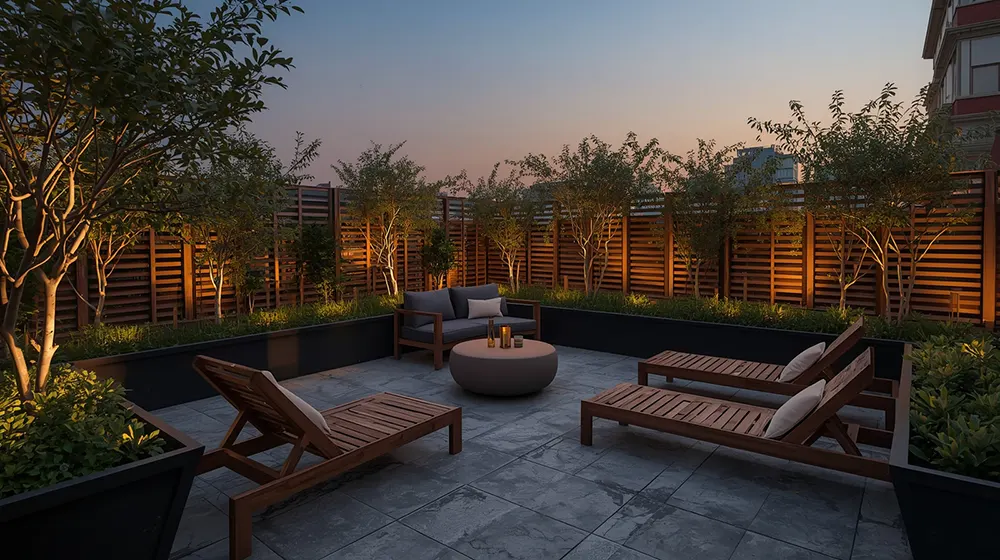
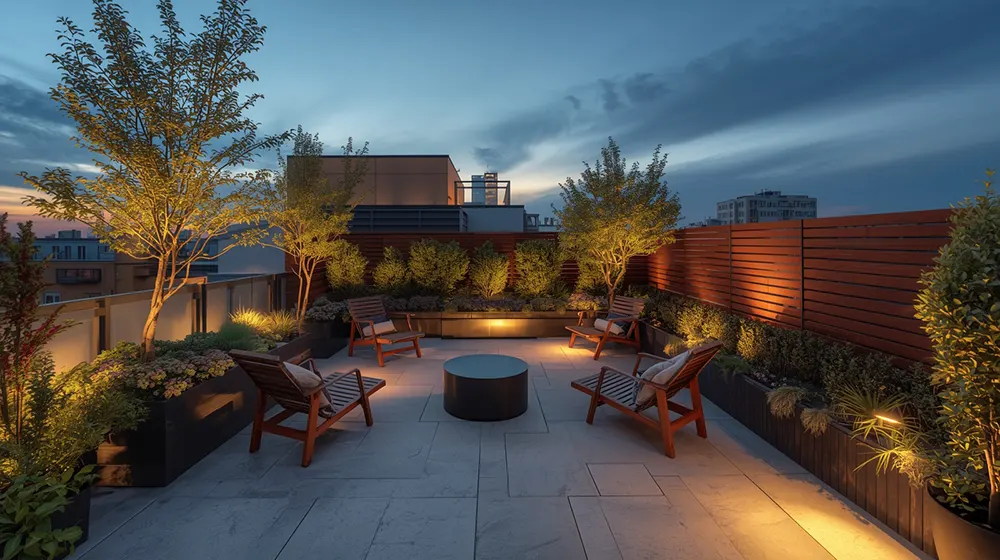
6. Roof Gardens: Vertical Space Optimization and Urban Agriculture
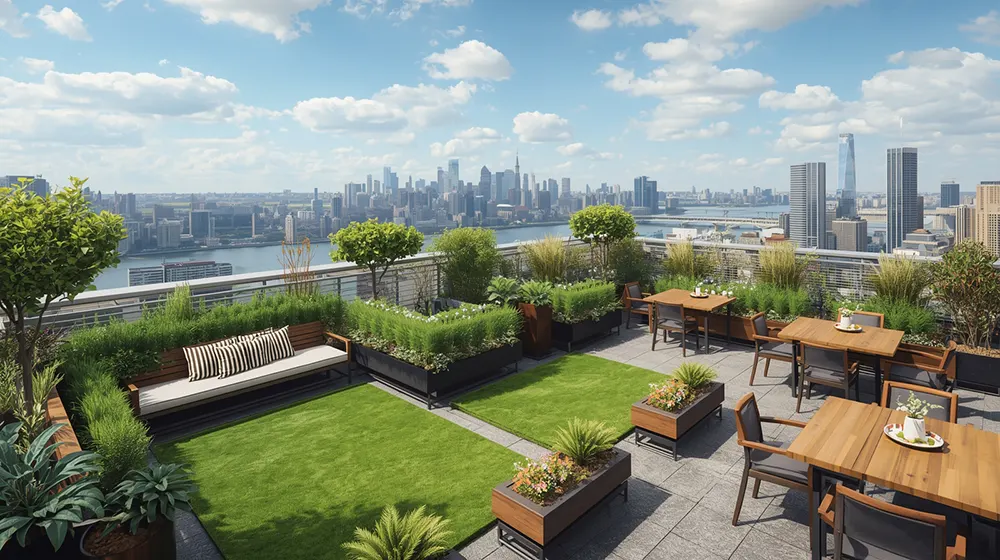
Urban space constraints are a defining feature of Indian metropolitan life. Roof gardens transform rooftops from unused liability into productive, beautiful spaces for food production, ornamental gardening, and personal relaxation. From DIY container gardens costing under ₹5,000 to sophisticated hydroponic systems producing year-round vegetables, roof gardens democratize urban agriculture and reconnect residents with food production.
Utilizing Vertical Space for Food and Beauty
Container-based roof gardens require minimal structural preparation—simply place containers on your rooftop and begin cultivation. Herbs (basil, mint, cilantro), vegetables (tomatoes, peppers, beans), and ornamental plants (marigolds, petunias, ornamental grasses) thrive in rooftop conditions across India. The energy benefits are surprising—plants shade your roof, reducing heat absorption and lowering indoor temperatures by 2-4°C in summer, translating to 15-25% cooling cost reductions. More importantly, homegrown vegetables eliminate pesticide concerns, reduce food costs (fresh herbs can save ₹2,000-3,000 annually), and provide profound psychological satisfaction from nurturing living systems.
Structural Considerations and Setup Options
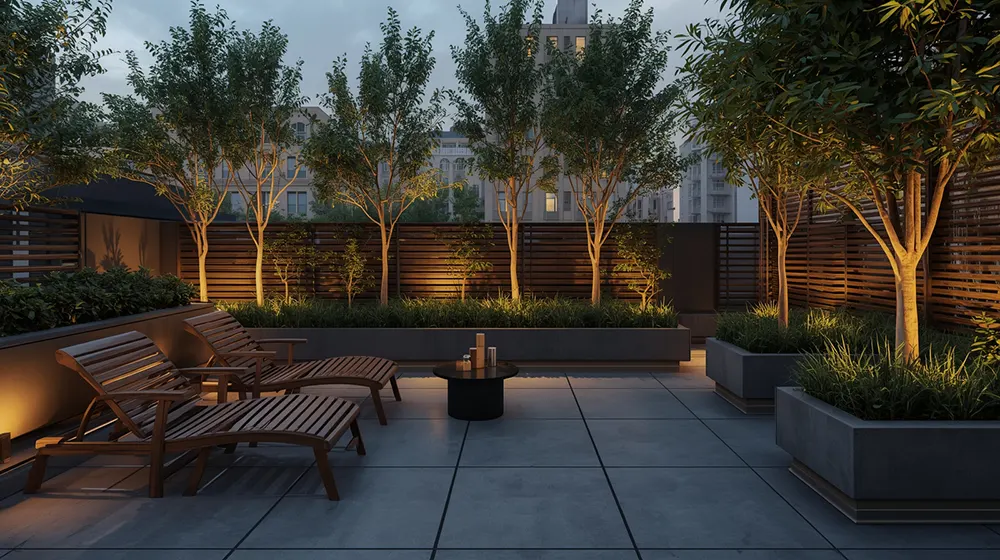
Before establishing a roof garden, verify your roof’s structural capacity—professional consultation is advisable for safety. Typical residential roofs safely support 150-200 kg per square meter, sufficient for container gardens on 30-50% of roof area. Vertical gardening systems using wall-mounted planters, trellises, and hanging baskets multiply productive area without exceeding weight limits. Hydroponic systems, while requiring more technical knowledge, deliver superior yields in minimal space—nutrient-rich water recirculates through roots, eliminating soil and reducing water consumption by 70% compared to traditional gardening. Costs range from DIY container gardens at ₹100-500 per square foot to sophisticated hydroponic systems at ₹1,000-2,000 per square foot.
India’s rooftop gardening movement gained momentum through pioneers like Dr. Viswanath Kadur, who demonstrated that urban terraces could produce substantial vegetable quantities. Today, thousands of Indian households and apartment buildings feature productive roof gardens, with organizations like Urban Plant providing guidance and systems specifically designed for Indian climates and growing seasons.
7. Multi-Level Roofs: Creating Dynamic Living Spaces
Multi-level roofs transcend the single-plane monotony of conventional designs, creating architecturally sophisticated structures with varying heights, interlocking sections, and dynamic visual interest. These designs dramatically transform interior spaces through enhanced natural light, improved ventilation, and spatial variety that elevate everyday living experiences.
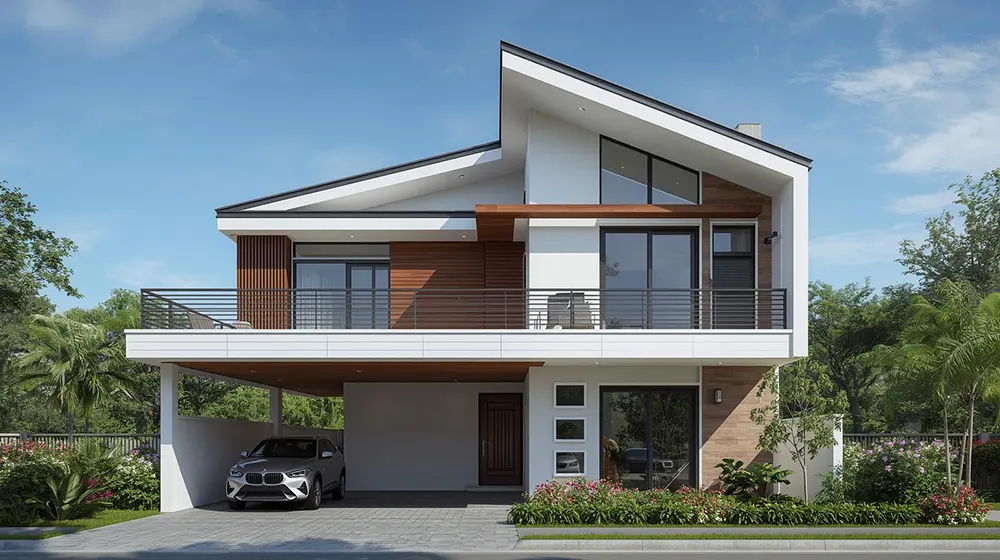
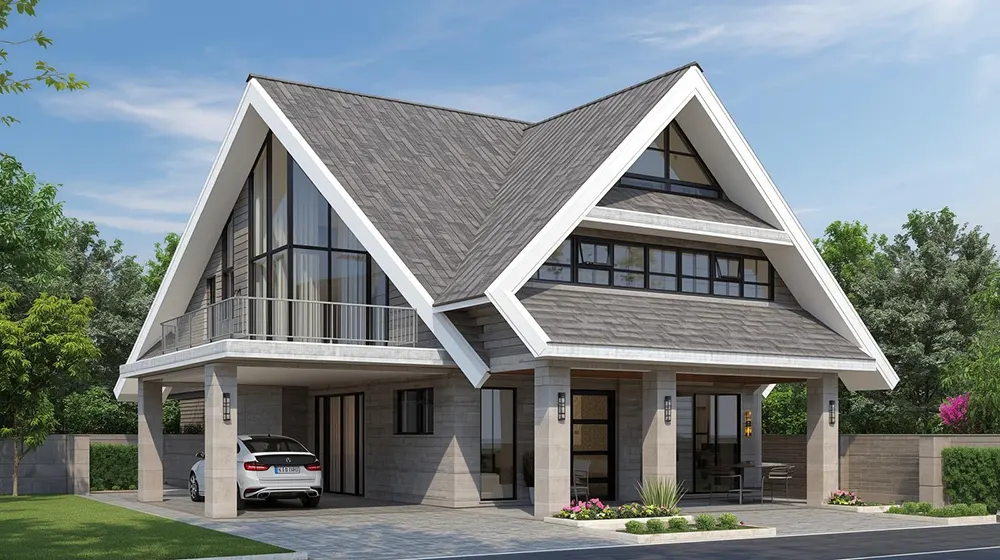
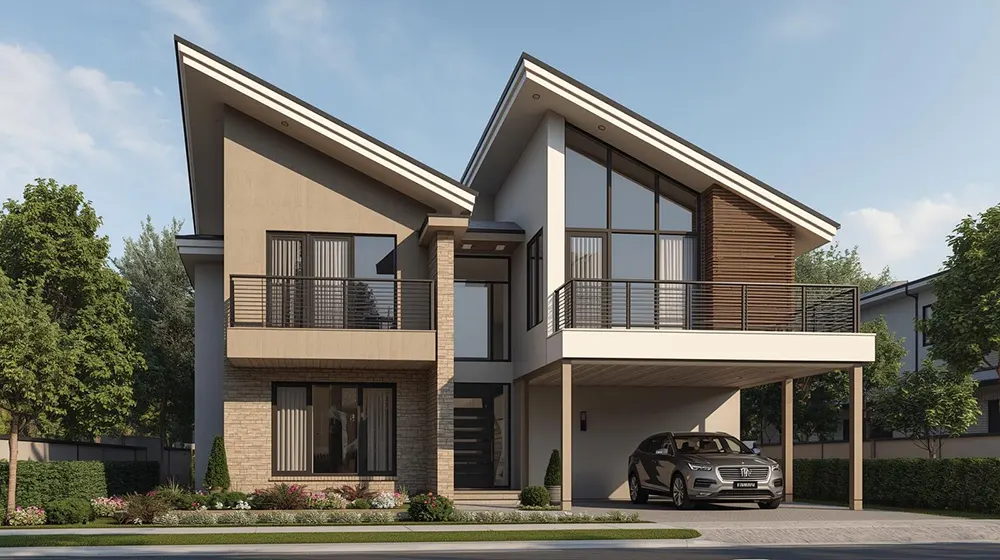
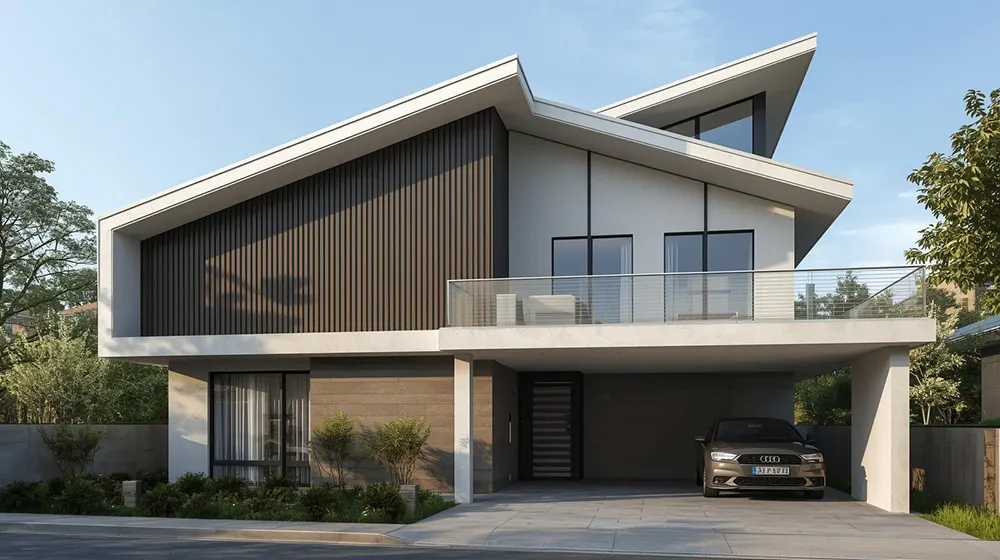
Creating Dynamic Living Spaces with Architectural Interest
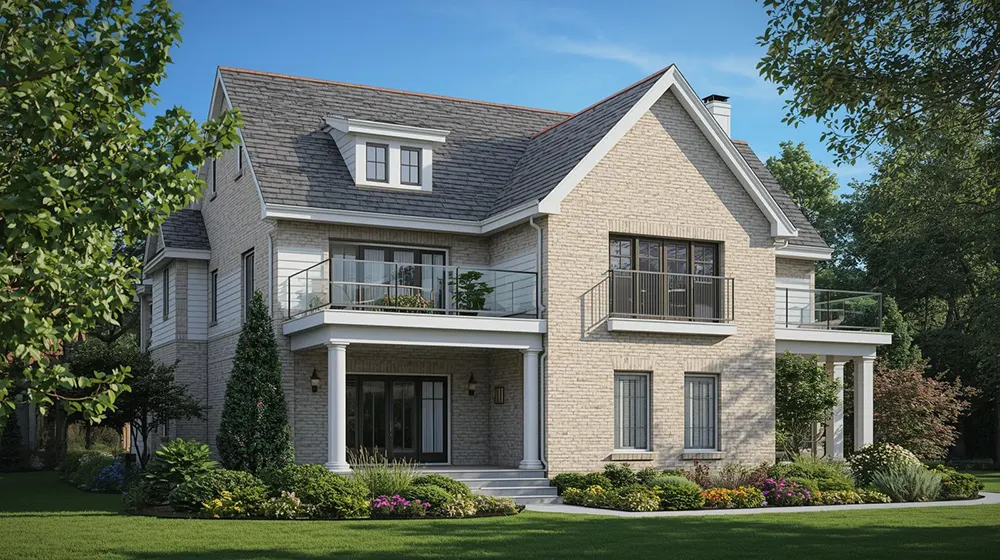
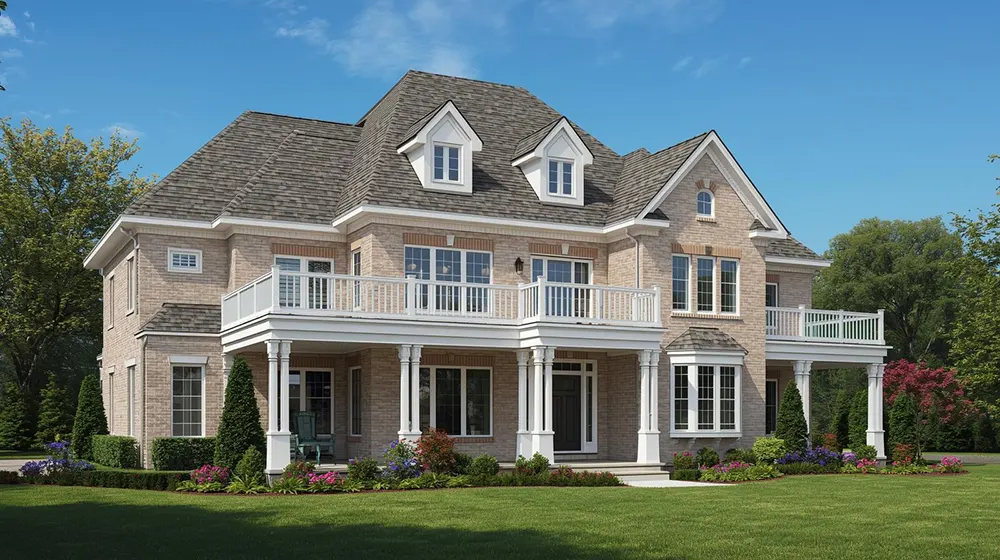
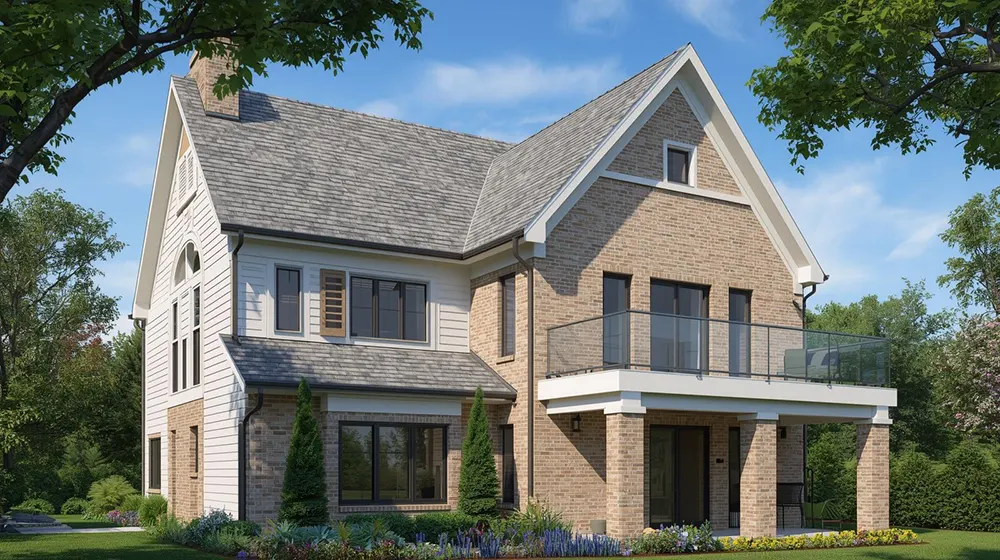
Multi-level roofs typically combine multiple roof types—sections of gable, hip, and flat roofing interlocking at different elevations. This complexity creates opportunities for skylights and monitor windows at varied positions, introducing light from multiple angles and eliminating dark interior zones. Interior ceiling heights vary dynamically, with some areas featuring dramatic vaulted ceilings while others offer cozy, intimate proportions. This spatial variation creates distinct zones within open-plan homes—dining areas feel defined under lower ceiling sections, while living rooms soar under higher vaults, all without structural walls that compromise flow.
Design Variations and Material Flexibility
Multi-gable designs featuring multiple triangular sections work exceptionally well for larger homes and bungalows, creating distinctive silhouettes recognizable in any neighborhood. Split-roof designs separate the primary residential area from covered porches or carports with subtle level changes. Combination roofs merge traditional pitched sections with contemporary flat-roof elements, appealing to homeowners seeking fusion aesthetics that honor traditional Indian architecture while embracing modern design principles. Material options remain fully flexible—clay tiles work beautifully in traditional-modern fusion designs, metal sheets deliver contemporary minimalism, and stone-coated steel provides premium aesthetics in luxury residences.
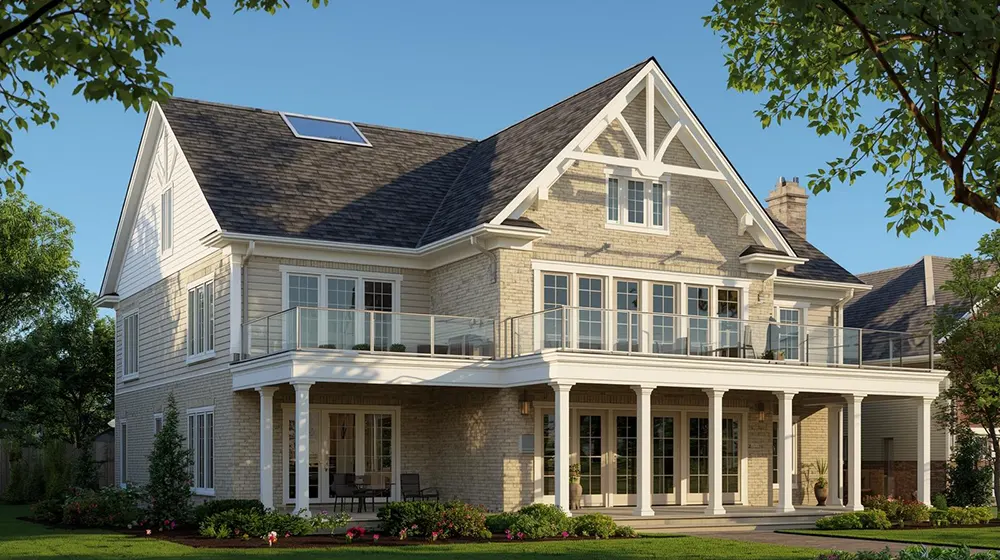
Implementation costs range from ₹700-1,500 per square foot, reflecting the engineering complexity and installation sophistication required. However, the intangible benefits—distinctive character, enhanced spatial quality, superior natural light, and improved resale value—justify the investment for discerning homeowners. Multi-level roofs have become signature features of high-end residential developments throughout Bangalore, Mumbai, Pune, and Delhi, where architectural sophistication commands premium market valuations.
Read More about Roof Shed Building
Choosing the Right Roof Design for Your Climate
India’s diverse climate zones demand climate-matched roofing solutions. A design that excels in Bangalore’s moderate climate may fail catastrophically in Kerala’s monsoon intensity. Understanding your regional climate and selecting a design optimized for those conditions is fundamental to long-term performance and satisfaction.
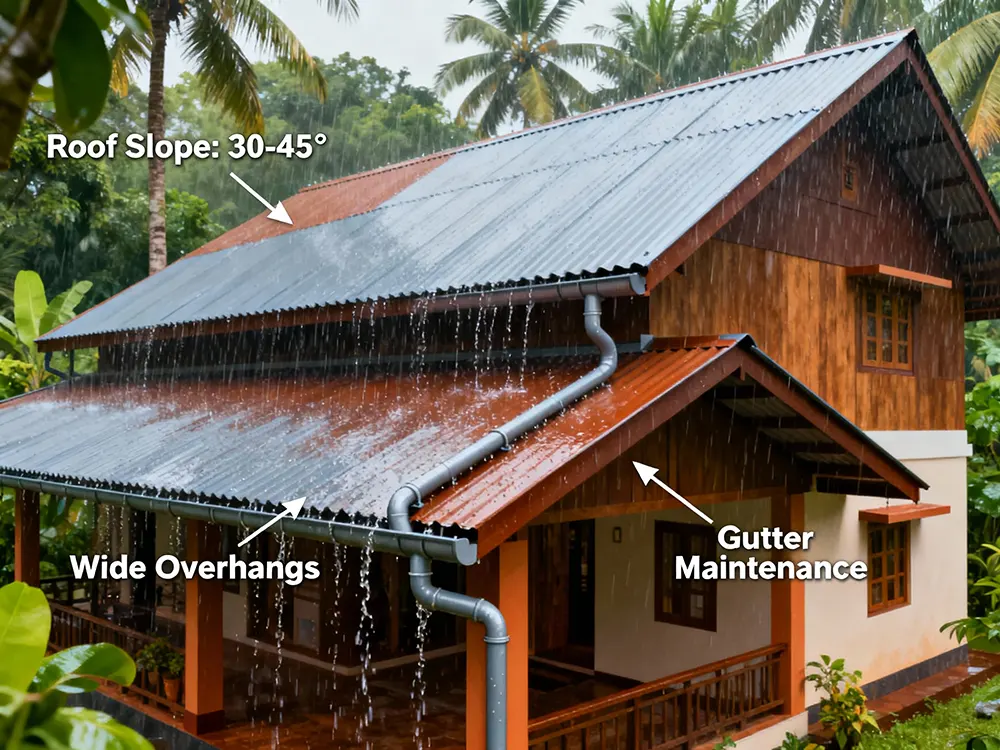
Monsoon Regions: Sloped Roofs and Waterproofing Mastery
In Kerala, Assam, coastal Maharashtra, and other high-rainfall zones, sloped roofs with minimum 30-45 degree angles are essentially mandatory. The scientific evidence is compelling: research from IIT Madras demonstrates that sloped roofs experience 47% fewer leakage complaints compared to flat designs in monsoon regions. Proper slopes ensure that rainfall drains rapidly—water cannot accumulate or pool, eliminating opportunities for leakage through imperceptible cracks or material degradation.
Color-coated steel roofing provides superior waterproofing compared to traditional materials, with factory-applied coatings ensuring consistent protection. Extended overhangs (60-90cm) protect exterior walls from wind-driven rain, preventing moisture infiltration through walls and foundation areas. Annual maintenance, including debris removal from gutters and downspouts, is essential in monsoon regions, as blockages can cause water backup and leakage.
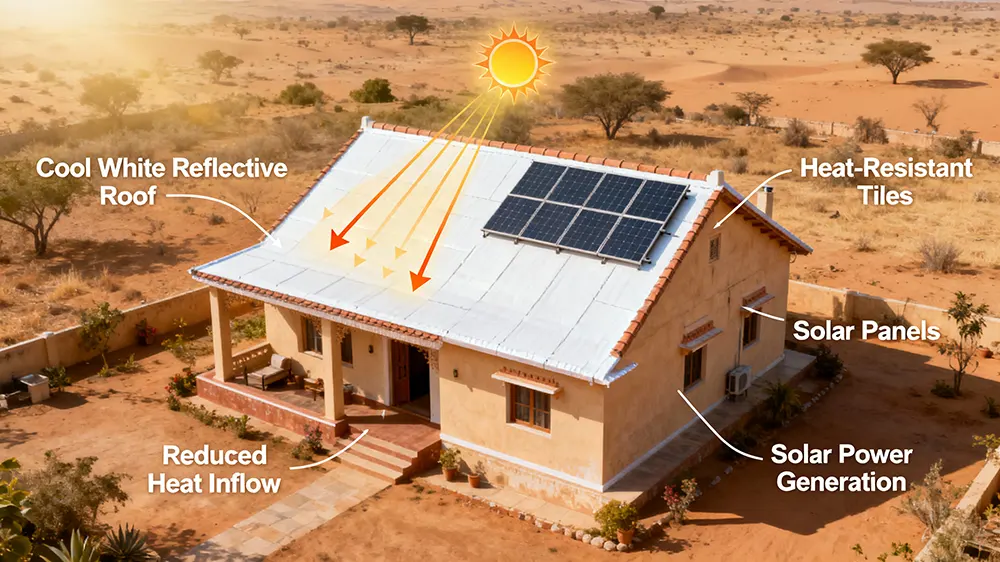
Hot and Dry Climates: Cool Roofs and Solar Integration
Rajasthan, Gujarat, and interior Maharashtra experience extreme heat, with temperatures regularly exceeding 45°C. In these regions, your roof’s thermal properties directly impact indoor comfort and energy costs. Cool roofs featuring reflective coatings (white, light colors) reduce heat absorption by 30-40%, keeping roof surfaces 15-20°C cooler than dark roofs. This temperature reduction translates to measurably lower air-conditioning loads—interior temperatures drop 3-5°C without energy-intensive cooling systems running continuously.
Heat-resistant tile options including reflective ceramic or stone-coated steel, deliver permanent cool-roof properties without maintenance requirements. Solar panel integration becomes increasingly attractive in hot climates where daytime electricity demand peaks during peak sun hours, aligning solar generation with consumption patterns and minimizing grid purchases during expensive peak tariff periods.
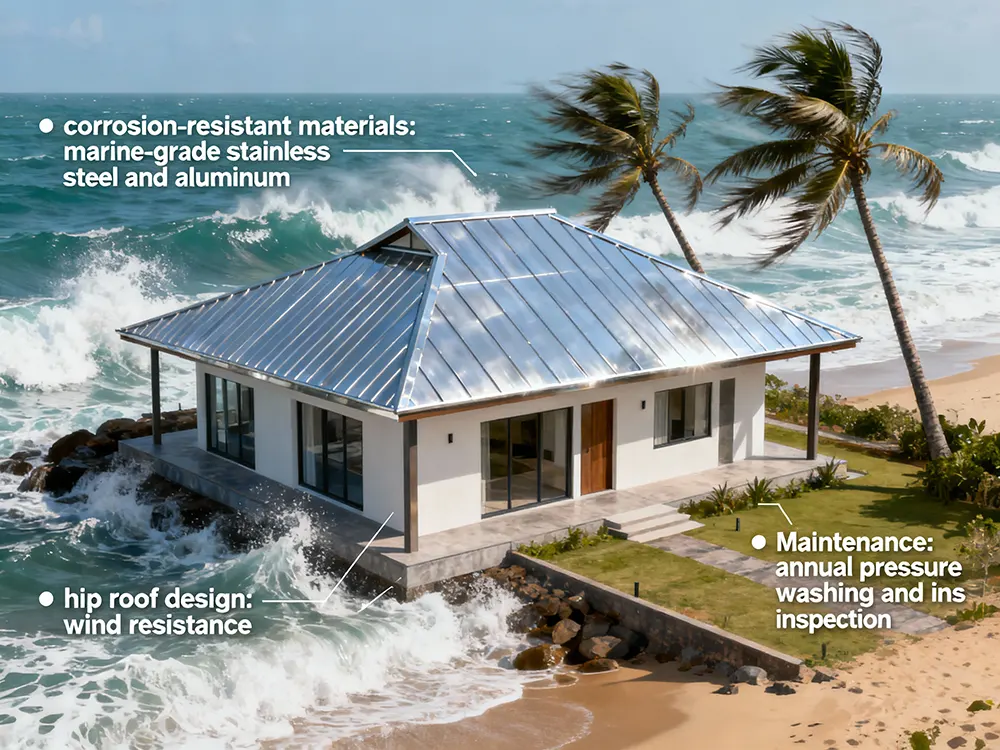
Coastal Areas: Corrosion Resistance and Wind Performance
Mumbai, Chennai, Goa, and other coastal locations present unique challenges: salt-laden air accelerates corrosion, high humidity promotes mold and algae growth, and coastal storms generate extreme wind speeds. Galvanized steel loses structural integrity within 15-20 years in coastal environments, while premium materials like aluminum, marine-grade stainless steel, and specialized corrosion-resistant coatings maintain structural integrity for 40-50 years. Hip roofs sloping on all four sides distribute wind forces effectively and provide superior wind resistance compared to gable designs—crucial for coastal properties where hurricanes and extreme weather events present a genuine risk. Annual maintenance, including pressure washing to remove salt deposits and algae, and inspection of fasteners and seams for corrosion, extends roofing lifespan significantly.
Mixed Climates: Balanced Solutions for Seasonal Variation
Bangalore, Delhi, Pune, and other mixed-climate cities experience both intense summer heat and significant winter cooling requirements. In these regions, balanced design approaches work best. Green roofs and roof gardens provide summer cooling while insulating against winter heat loss. Moderate slopes (15-25 degrees) facilitate drainage while avoiding excessive shadow on south-facing walls during winter months when solar heat gain aids heating. Insulation layers beneath roofing materials moderate temperature swings, reducing heating and cooling energy requirements throughout the year. Energy-efficient designs become increasingly cost-effective in mixed climates where heating and cooling demands persist year-round.
Selecting the Best Roofing Materials for Your Home
Beyond design style, material selection profoundly impacts roofing performance, durability, and cost. Understanding material options and their performance characteristics enables informed decisions aligned with your climate, budget, and aesthetic preferences.
Metal Sheets: Lightweight Durability for Modern Homes
Galvanized and aluminum metal sheets offer exceptional durability (40-50 year lifespan), lightweight construction reducing structural demands, complete recyclability, and excellent weather resistance. Cost range is ₹200-600 per square foot, depending on specifications. Iron roof design with metal roofing excels in industrial, commercial, and contemporary residential applications. Color-coated varieties provide aesthetic options while enhancing durability. Metal’s primary limitation is noise during rainfall—though modern multilayer designs with acoustic liners have largely resolved this concern.
Clay and Terracotta Tiles: Traditional Beauty with Proven Performance
Clay tiles have protected Indian homes for centuries, and for good reason. With a lifespan exceeding 50 years, superior thermal properties that keep interiors cool, aesthetic beauty that enhances property values, and minimal maintenance requirements, clay tiles remain an excellent choice. Cost range is ₹150-400 per square foot. Clay tiles perform exceptionally well in monsoon regions and traditional architectural contexts. Weight requires stronger structural framing compared to metal alternatives, but the aesthetic and performance benefits often justify the investment.
Reinforced Concrete (RCC): Strong, Durable, Multipurpose
RCC combines strength, durability (50-100+ year lifespan), fire resistance, and the ability to support additional floors or heavy structures. Cost range is ₹300-800 per square foot. RCC roofs create usable terraces, enabling additional living space or amenities. Waterproofing becomes critical with RCC—proper membrane installation and maintenance prevent moisture infiltration. RCC suits urban multistory homes and situations where usable terrace space adds significant value.
Roofing Shingles: Affordable Aesthetics for Sloped Roofs
Asphalt and bitumen shingles offer affordability (₹250-500 per square foot), wide color variety, and ease of installation. However, the lifespan of 20-30 years is substantially shorter than other options, requiring replacement midway through a home’s typical occupation period. Shingles work well for sloped roofs in moderate climates where extreme temperatures don’t accelerate degradation.
Stone-Coated Steel: Premium Aesthetics Meets Modern Performance
Stone-coated steel combines stone beauty (mimicking clay tiles or slate) with steel durability and performance. Lifespan of 30-50 years, fire resistance, lightweight construction, and premium aesthetics command premium pricing (₹400-800 per square foot). This material appeals to luxury residential segments seeking distinctive aesthetics with modern performance.
Transforming Your Home Through Innovative Roof Design
Your roof represents far more than a protective necessity—it’s an architectural statement, an energy system, a water management infrastructure, and a critical factor in your home’s comfort, efficiency, and value. The seven innovative roof design ideas presented in this guide offer pathways to transform your living experience while delivering measurable returns through energy savings, improved indoor quality, enhanced aesthetics, and long-term durability.
Whether you’re drawn to the environmental consciousness of green roofs, the natural light abundance of skylights, the dramatic elegance of butterfly roofs, the renewable energy generation of solar integration, the contemporary sophistication of curved roofs, the productive vitality of roof gardens, or the spatial dynamism of multi-level designs, innovative roofing options exist to match your vision and requirements. The key to success lies in matching your chosen design to your specific climate zone, material selection aligned with local conditions, and professional installation, ensuring that engineering excellence translates to real-world performance.
At Undertaking Engineering Enterprise, our 15+ years of hands-on experience designing, fabricating, and installing roofing solutions across India’s diverse regions position us as your trusted partner in this critical decision. We understand how monsoon intensity in Kerala differs fundamentally from heat extremes in Rajasthan, how coastal corrosion challenges demand specialized materials, and how mixed-climate cities require balanced design approaches. Whether you’re planning a new residential construction or retrofitting an existing home with innovative roofing technology, our team brings precision engineering, premium materials, and installation excellence to every project.
We invite you to consult with our experts at Undertaking Engineering Enterprise for a customized roof design tailored to your specific location, climate conditions, aesthetic preferences, and budget parameters. Our end-to-end services—from initial design consultation through professional fabrication to expert installation—ensure that your new roof delivers the performance, durability, and beauty you deserve. With our commitment to strength, precision, and long-lasting performance, your roof will protect and enhance your home for decades to come.