
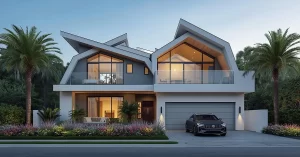
Shed roof design has evolved dramatically in recent years, transforming from basic functional structures into architectural statements that enhance property aesthetics while delivering superior performance. In India’s diverse climate—from scorching summers to heavy monsoons—selecting the right shed roof design requires careful consideration of materials, structural integrity, cost-effectiveness, and visual appeal. This comprehensive guide explores seven innovative shed roof design tips that will help you create a stunning, durable backyard oasis while addressing the unique challenges of Indian weather conditions and construction practice
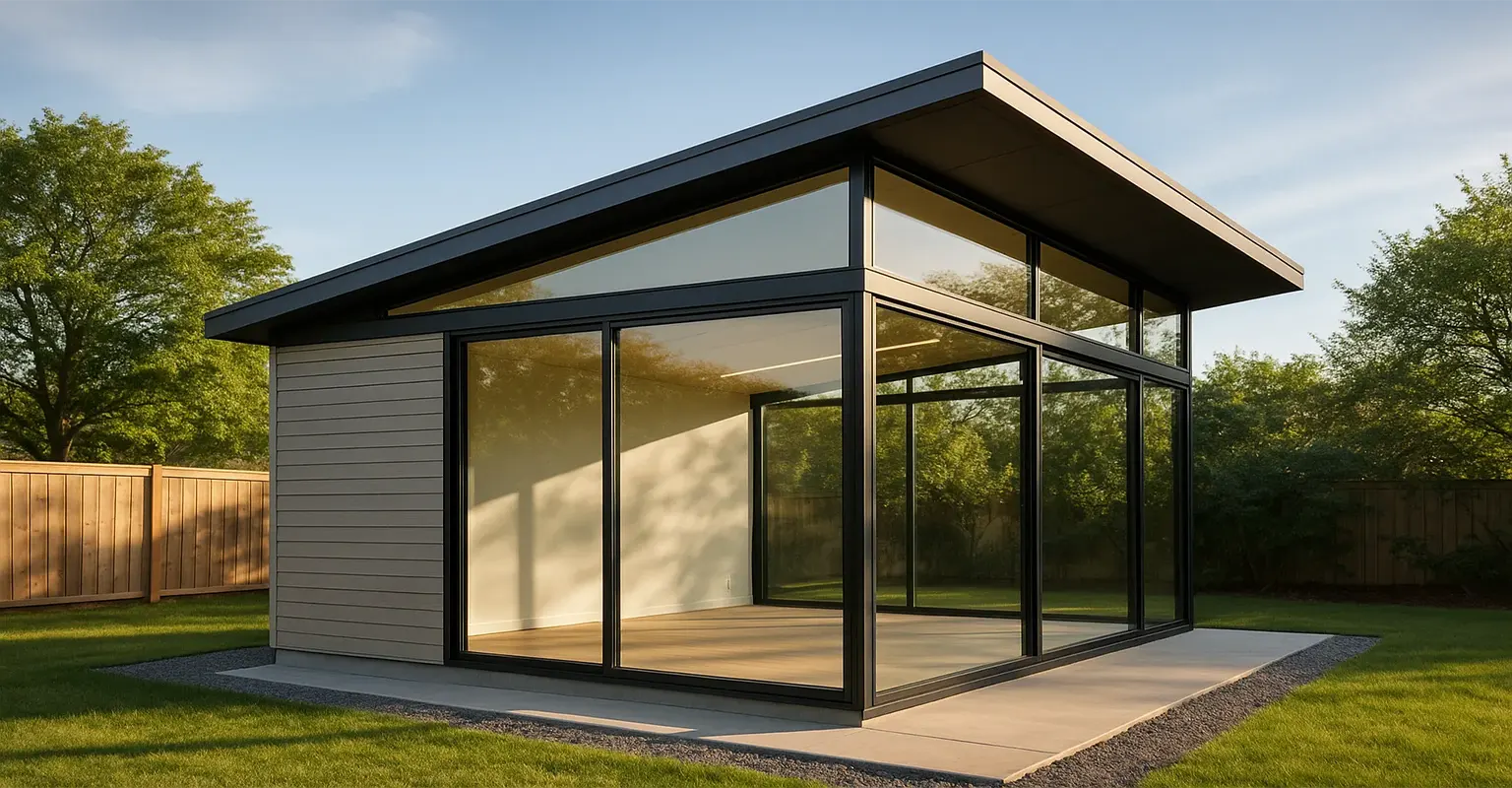
Understanding Shed Roof Design
Importance of Shed Roofs
Shed roofs serve multiple critical functions that extend far beyond simple weather protection. The primary purpose of any roof shed is to provide shelter from extreme weather conditions, including heat, rain, wind, and in some regions, snow. Beyond protection, shed roofs significantly enhance structural integrity by offering strength, stability, thermal insulation, noise reduction, fire resistance, and long-lasting durability. Modern shed roof designs have become increasingly popular in residential architecture due to their ability to maximize natural light entry through clerestory windows positioned on the high side of the roof.
The shed roof—also known as a skillion or mono-pitched roof—features a single sloping surface that angles in one direction, creating a clean, contemporary appearance while promoting excellent water runoff. This roof design has gained substantial traction in modern architecture because it offers a perfect balance between simplicity, functionality, and aesthetic appeal. In India specifically, shed roofs have become essential for both residential and industrial applications, with growing demand for terrace roof sheds, rooftop extensions, and parking structures.
The economic advantages of shed roofs cannot be overstated. Due to their straightforward design with only one slope, shed roofs are significantly more cost-effective than complex roof structures, requiring less time and fewer materials for construction. This translates directly into lower labor costs, making shed roofs an attractive option for homeowners seeking practicality and affordability without compromising on aesthetics. In the Indian market, shed construction cost per square feet typically ranges from ₹55 to ₹90 per square foot for basic designs, with premium finishes reaching ₹170 to ₹190 per square foot. Understanding the shed construction cost per square feet helps homeowners and builders make informed decisions about budget allocation and material selection for their roofing projects.
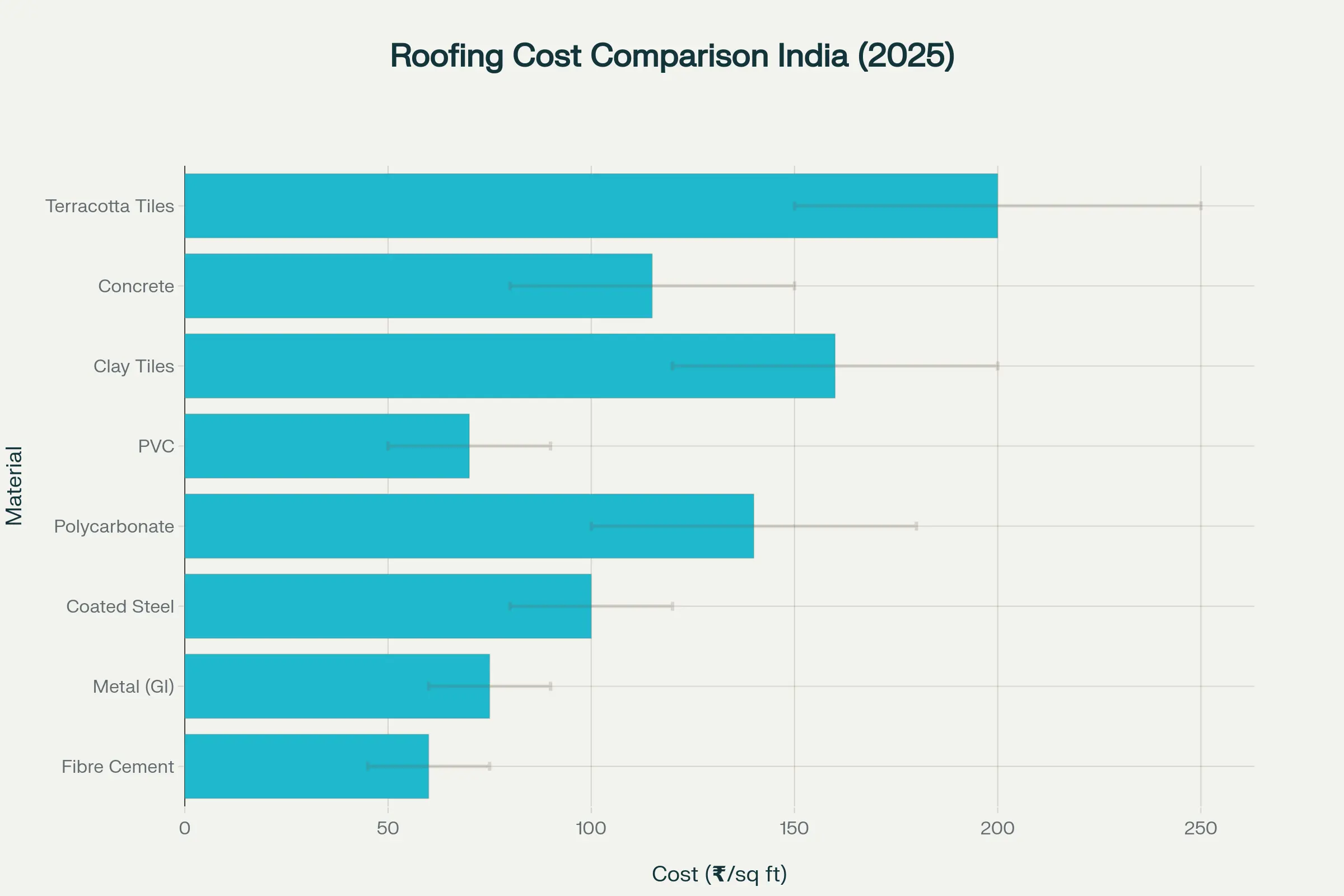
Roofing Materials Cost in India
| Material | Cost (₹/sq ft) | Weight | Durability | Heat Resistance | Best Application |
|---|---|---|---|---|---|
| Fibre Cement Sheets | ₹45 - ₹75 | Light | High | Good | Residential, Industrial |
| Metal (GI/Galvanized) | ₹60 - ₹90 | Light | Very High | Excellent with coating | Factories, Warehouses |
| Color Coated Steel | ₹80 - ₹120 | Light | Very High | Excellent | Modern homes, Commercial |
| Polycarbonate Sheets | ₹100 - ₹180 | Very Light | Medium | Good | Terraces, Skylights |
| PVC Sheets | ₹50 - ₹90 | Very Light | Medium | Fair | Temporary structures |
| Clay Tiles | ₹120 - ₹200 | Heavy | Very High | Excellent | Traditional homes |
| Concrete Tiles | ₹80 - ₹150 | Heavy | High | Good | Residential |
| Terracotta Tiles | ₹150 - ₹250 | Heavy | Very High | Excellent | Premium homes |
Popular Styles and Trends
The landscape of shed roof design has expanded considerably, offering homeowners numerous stylistic options to complement their architectural vision. The single-slope shed roof remains the most popular choice, characterized by its minimalist profile and efficient drainage capabilities. This design creates a dramatic slant that transforms even humble storage sheds into architecturally interesting features, particularly suitable for contemporary properties.
Gable roofs continue to dominate traditional architecture with their distinctive triangular shape formed by two sloping sides meeting at a central ridge. This classic design provides excellent water and snow runoff, promotes natural ventilation, and creates valuable attic space for storage. The cross-gable roof variant adds complexity and visual interest by intersecting two or more gable sections, typically at right angles, making it ideal for homeowners seeking to add character to their properties.
Hip roofs, featuring slopes on all four sides that converge at the top, offer superior stability and wind resistance, making them particularly well-suited for India’s coastal regions prone to cyclones and high winds. While more expensive to construct than gable or shed roofs due to increased material and labor requirements, hip roofs provide aesthetic appeal from all viewing angles and enhanced structural performance.
The gambrel roof, instantly recognizable from its barn-style appearance, features a double-sloped profile with a steeper lower slope and gentler upper slope. This design maximizes interior headroom and usable space, making it perfect for workshop purposes or sheds requiring substantial vertical storage capacity. In the Indian context, curved roofs have also gained popularity, offering unique visual appeal and effective wind resistance, though they require more complex installation processes and skilled labor.
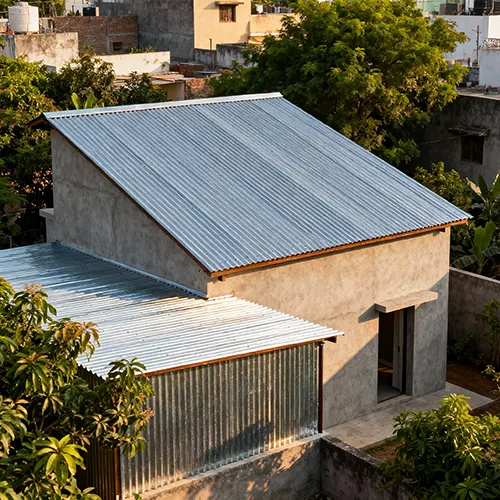
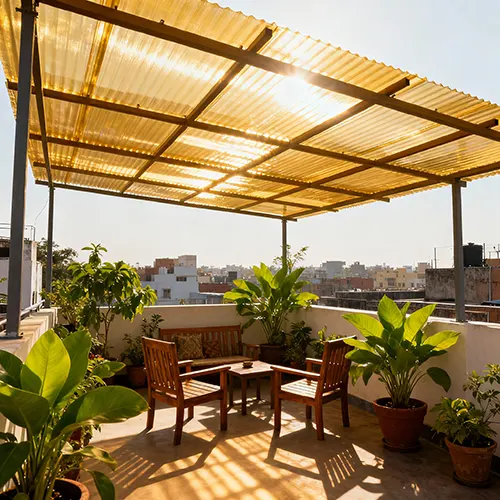
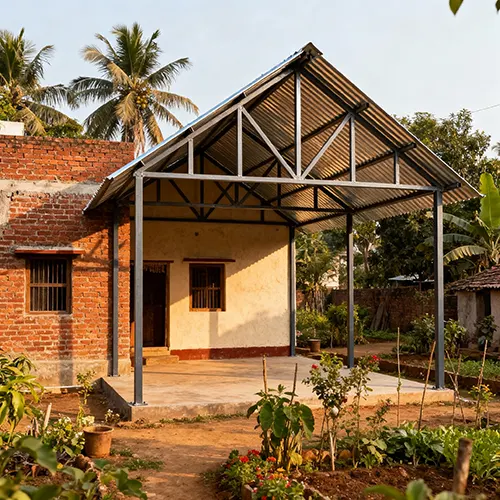
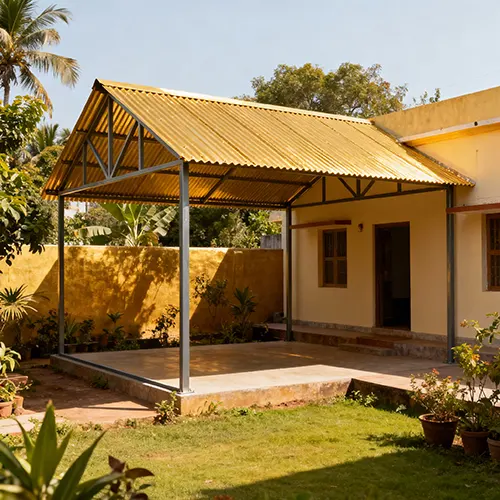
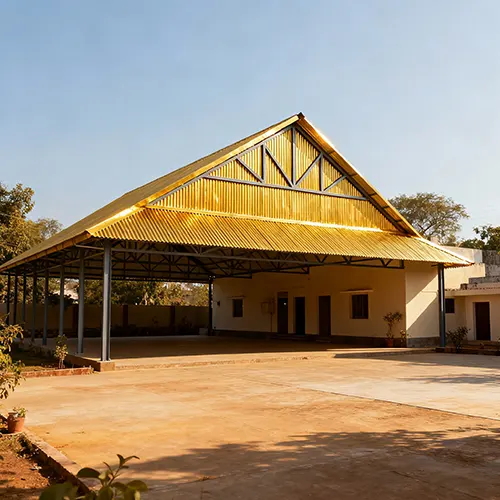
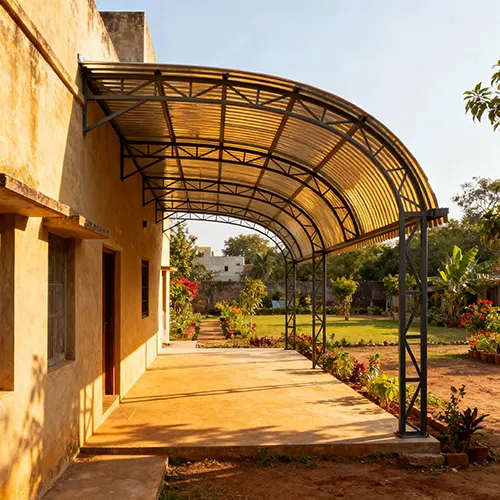
Shed Roof Types Comparison
| Roof Type | Cost Range (₹/sq ft) | Lifespan (Years) | Maintenance | Climate Suitability |
|---|---|---|---|---|
| Single Slope | ₹55 - ₹90 | 25-30 | Low | All climates |
| Flat Roof | ₹80 - ₹120 | 15-20 | High | Low rainfall areas |
| Gable Roof | ₹90 - ₹150 | 30-40 | Low | Heavy rainfall |
| Hip Roof | ₹120 - ₹180 | 35-45 | Low | High wind zones |
| Gambrel Roof | ₹100 - ₹160 | 25-35 | Medium | Moderate climates |
| Curved Roof | ₹150 - ₹250 | 20-30 | Medium | Moderate rainfall |
Modern Shed Roof Design Concepts
Sleek Materials for a Contemporary Look
Modern shed roof design emphasizes the selection of materials that combine durability, aesthetics, and climate appropriateness. In India’s warm climate, where heat and UV rays cause significant damage to roofing materials, choosing weather-resistant options becomes paramount. Metal roofing sheets, particularly those made from galvanized steel and aluminum, have emerged as leading choices due to their exceptional durability, with lifespans extending up to 50 years with minimal maintenance required.
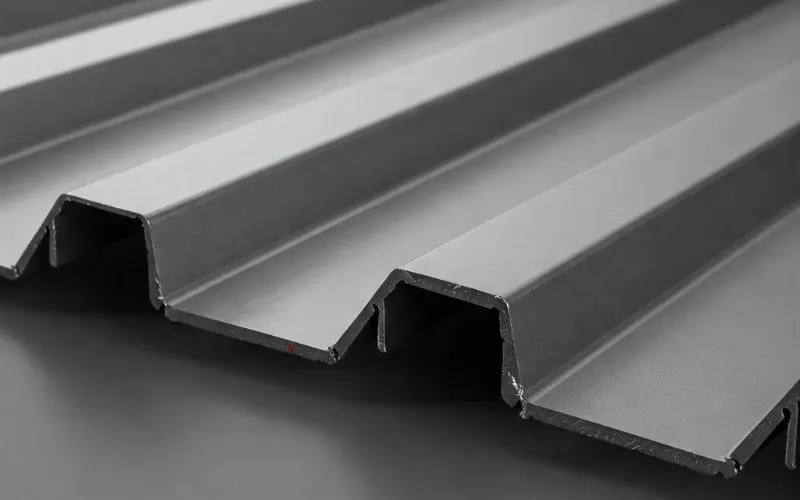
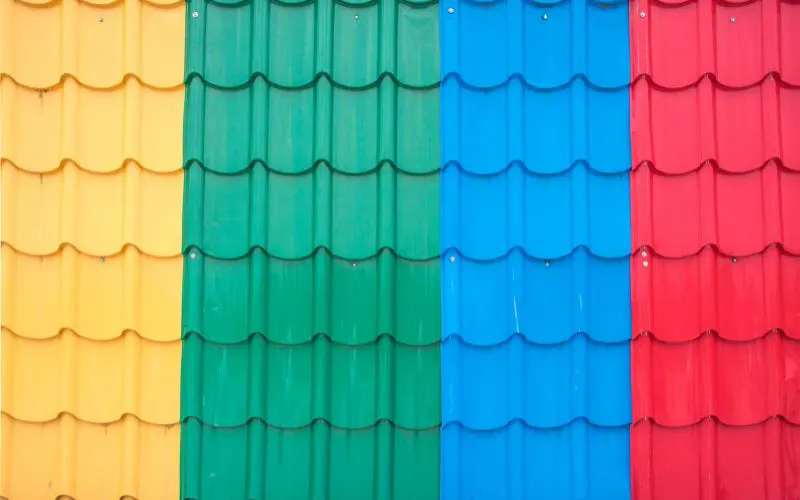
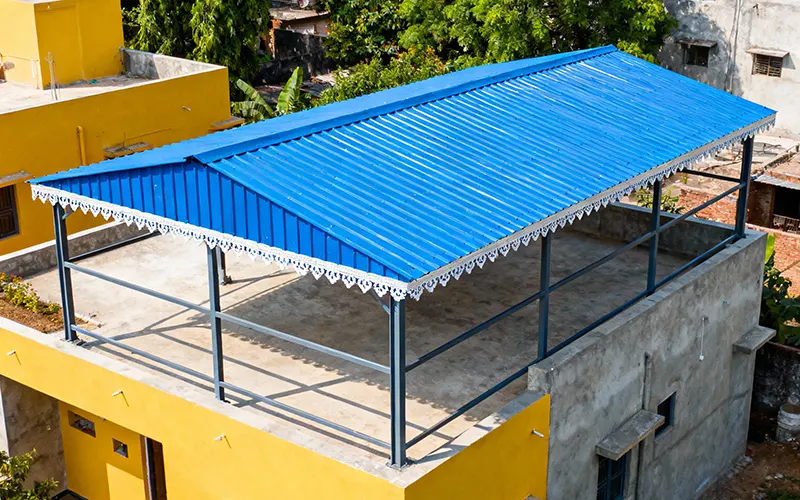
Color-coated roofing sheets represent a premium option that merges durability with style. These sheets consist of metal (typically steel or aluminum) covered with specialized paint layers that protect against rust while enhancing visual appeal. Available in numerous colors and designs, color-coated sheets allow homeowners to match roofing with overall building aesthetics. In India, these sheets cost approximately ₹80-120 per square foot and are widely used in modern homes, schools, offices, malls, and factories.
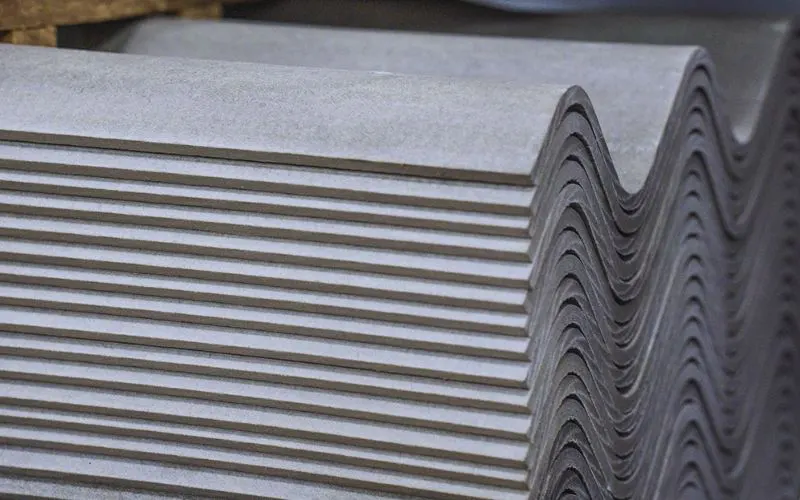
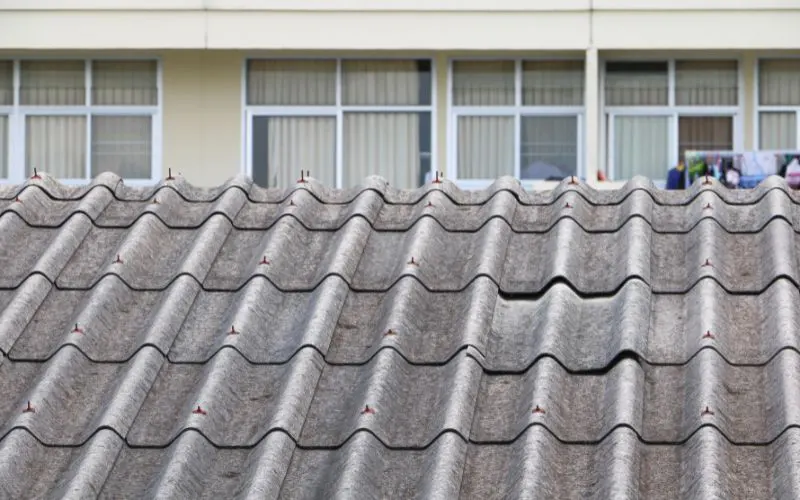
Fibre cement sheets have established themselves as among the most trusted roofing solutions in India. Manufactured by reinforcing cement with fibres, these sheets deliver toughness, weather resistance, and longevity without the rust concerns associated with metal alternatives. Their ability to reduce noise during heavy rainfall makes them particularly comfortable for residential applications. Fibre cement sheets typically cost between ₹45-75 per square foot and find widespread use in homes, sheds, small industries, and farm buildings.
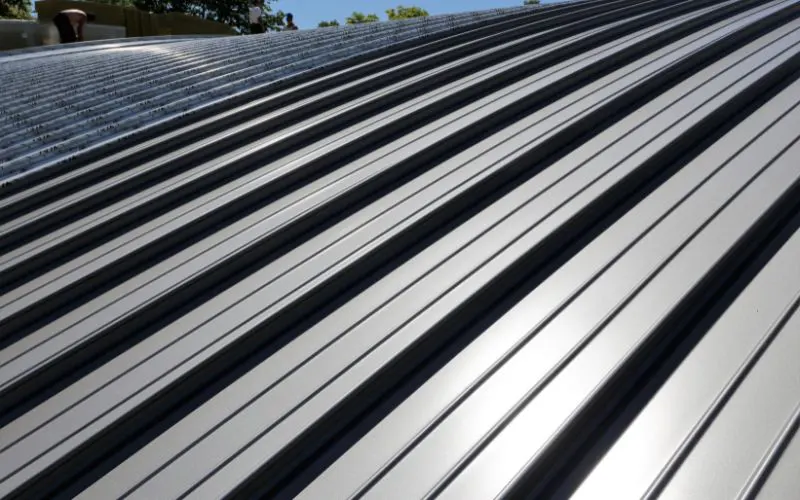
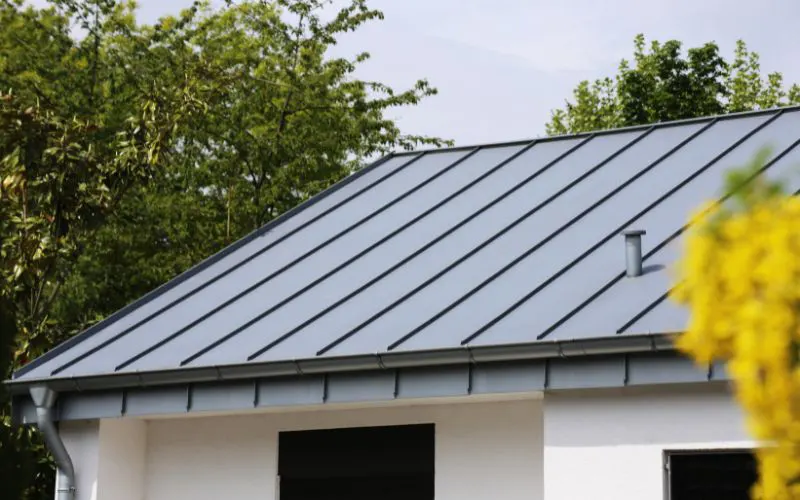
Standing seam metal roofing represents the pinnacle of modern roofing aesthetics, featuring long vertical panels with raised seams running down the center of each panel. This design creates a sleek, clean appearance that perfectly complements contemporary architecture. While requiring professional installation and commanding higher prices than corrugated alternatives, standing seam roofs deliver exceptional durability and weather resistance suitable for all climates.
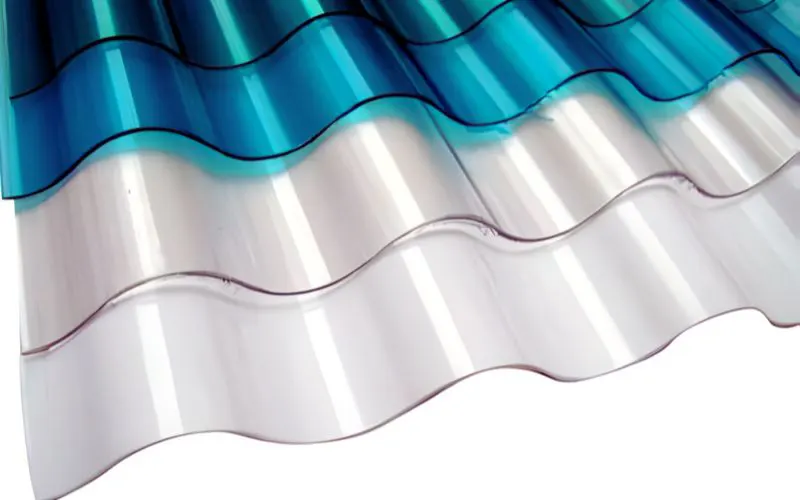
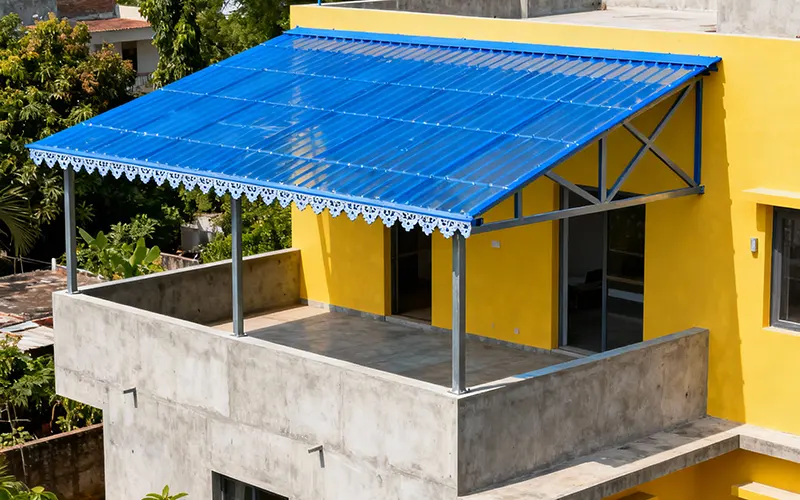
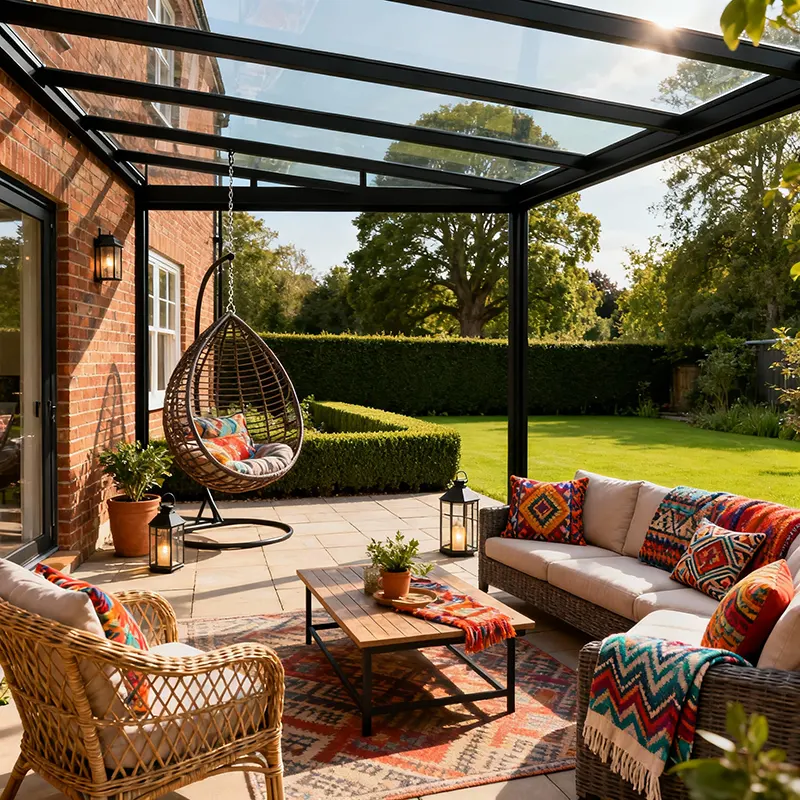
For transparent or semi-transparent applications, polycarbonate sheets have gained substantial popularity in Indian construction. These sheets are utilized extensively in industrial and commercial settings, offering simple installation, weather resistance, and impressive durability. Polycarbonate roofing with UV protection layers is commonly employed in sunrooms, patios, and terrace roof designs, providing natural light penetration while protecting against harmful ultraviolet radiation. Costs range from ₹100-180 per square foot.
Integrating Natural Light
One of the most compelling advantages of shed roof design lies in its capacity to maximize natural light entry, significantly reducing dependence on artificial lighting during daylight hours. This translates directly into reduced energy costs while creating more comfortable and productive interior environments. The single-sloped design of shed roofs naturally accommodates clerestory windows—high-mounted windows on the elevated side of the roof—that flood interior spaces with abundant natural illumination.
The strategic integration of natural light through shed roof design offers multiple benefits beyond energy efficiency. Studies consistently demonstrate that natural daylight exposure improves occupant mood, productivity, and overall well-being. For residential applications, this means living spaces feel more open, inviting, and connected to the outdoor environment. In commercial and industrial settings, particularly factories and workshops, north light roof trusses can be incorporated into shed designs to provide diffused natural lighting ideal for detailed work.
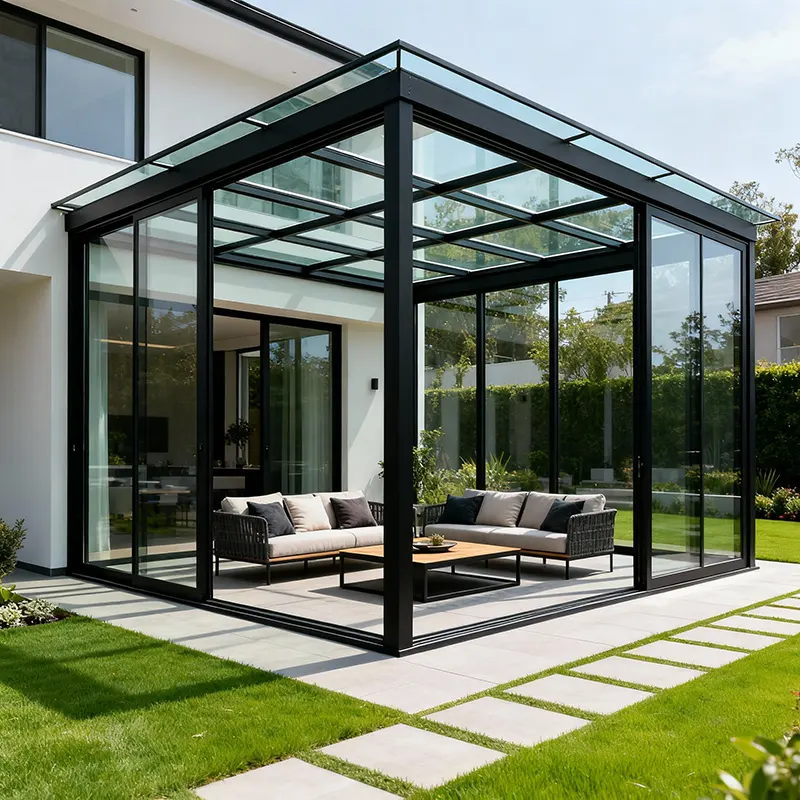
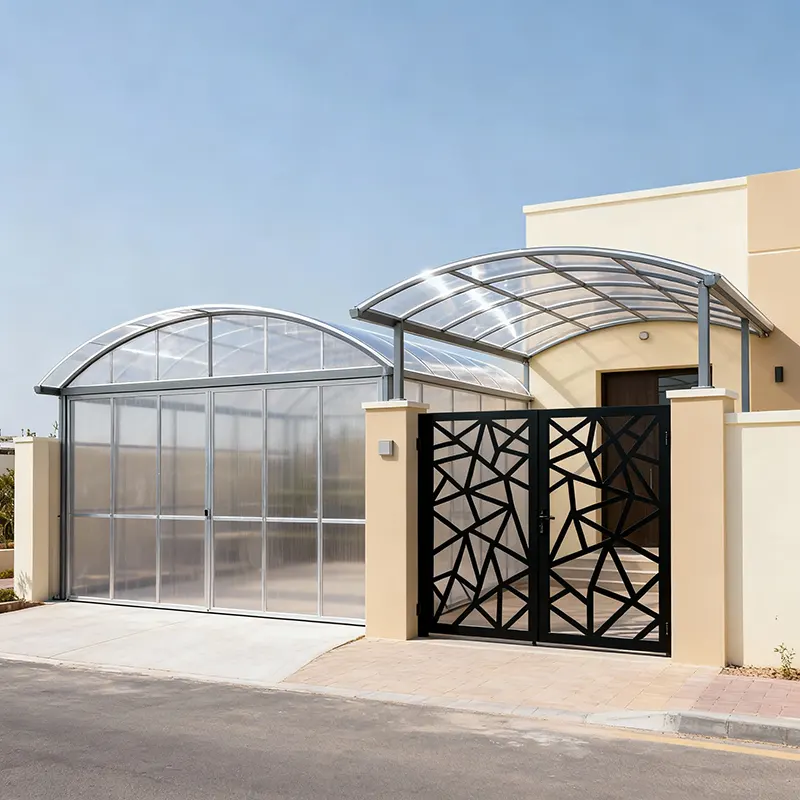
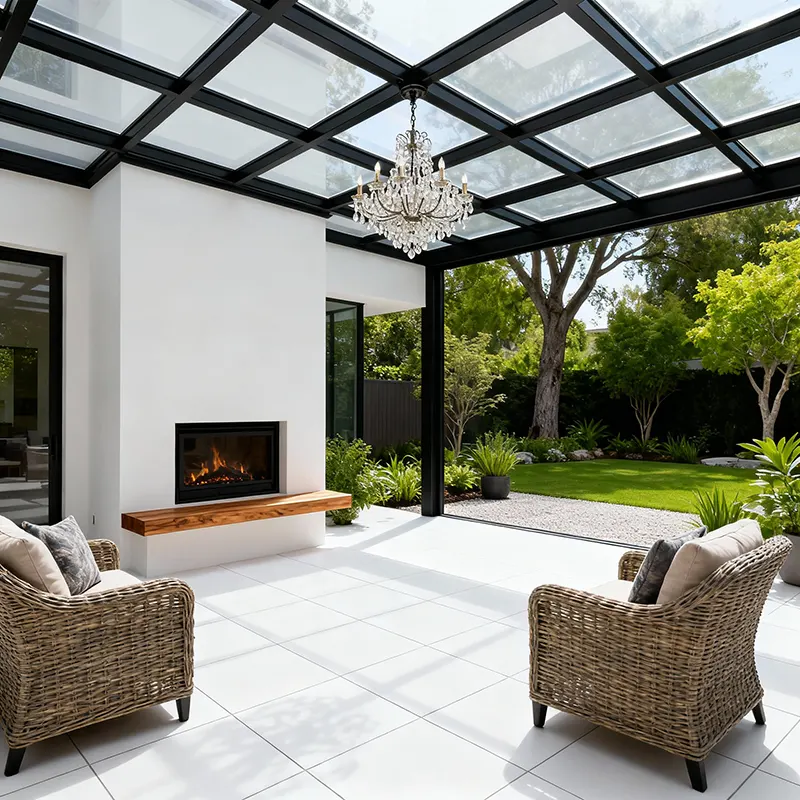
Polycarbonate roofing materials serve as excellent solutions for maximizing natural light in terrace roof shed designs. These translucent sheets permit sunlight penetration while maintaining privacy and providing protection from heat and rain. A polycarbonate roof design can dramatically transform dining areas, balconies, or rooftop spaces by allowing occupants to enjoy natural light in any weather condition. The material’s ability to withstand extreme temperatures makes it particularly suitable for India’s variable climate.
Modern shed roof designs increasingly incorporate skylights and transparent roofing sections strategically positioned to optimize daylight harvesting throughout the day. When combined with reflective interior surfaces and open floor plans, these design elements can reduce artificial lighting requirements by 50-75% during daytime hours. This substantial energy saving becomes particularly valuable in India’s context, where electricity costs continue rising and sustainable building practices gain importance.
The orientation of shed roofs significantly impacts natural light capture efficiency. South-facing shed roofs in the northern hemisphere (north-facing in the southern hemisphere) can incorporate passive solar design elements, such as appropriately angled glazing paired with thermal mass materials like brick floors or concrete walls. These elements collect and store heat during the day, reducing heating requirements and energy costs—a principle equally applicable to managing India’s intense summer heat through reverse strategies.
Terrace Roof Shed Design Features
Advantages of a Roof Terrace
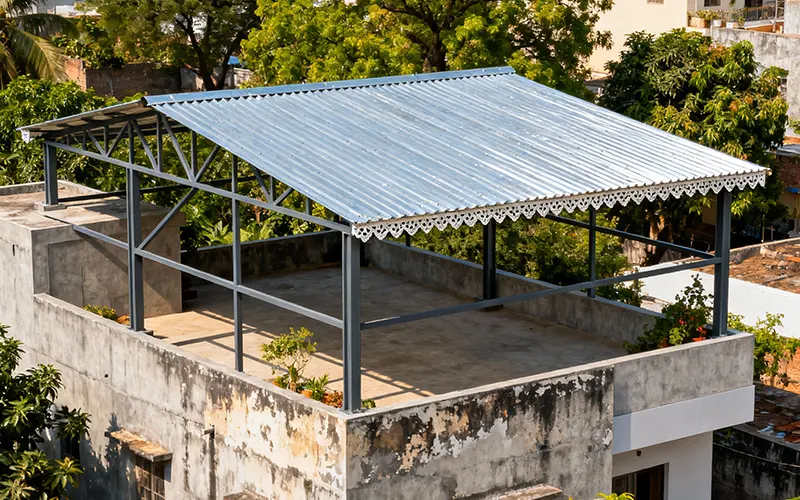
Terrace roof sheds have become increasingly popular in urban India, where maximizing limited space represents a primary concern for homeowners. Rooftop sheds provide innovative solutions for utilizing otherwise unused terrace areas, creating additional functional spaces without expanding a building’s footprint. The benefits of rooftop sheds extend well beyond simple space optimization—they can significantly increase property values when designed attractively and professionally.
Versatility stands as one of the most compelling advantages of terrace roof shed designs. These structures serve multiple purposes, ranging from storage for gardening tools and equipment to recreational areas, small home offices, or protected outdoor entertainment spaces. In Indian metropolitan areas where outdoor space commands premium prices, well-designed terrace sheds effectively double usable living areas.
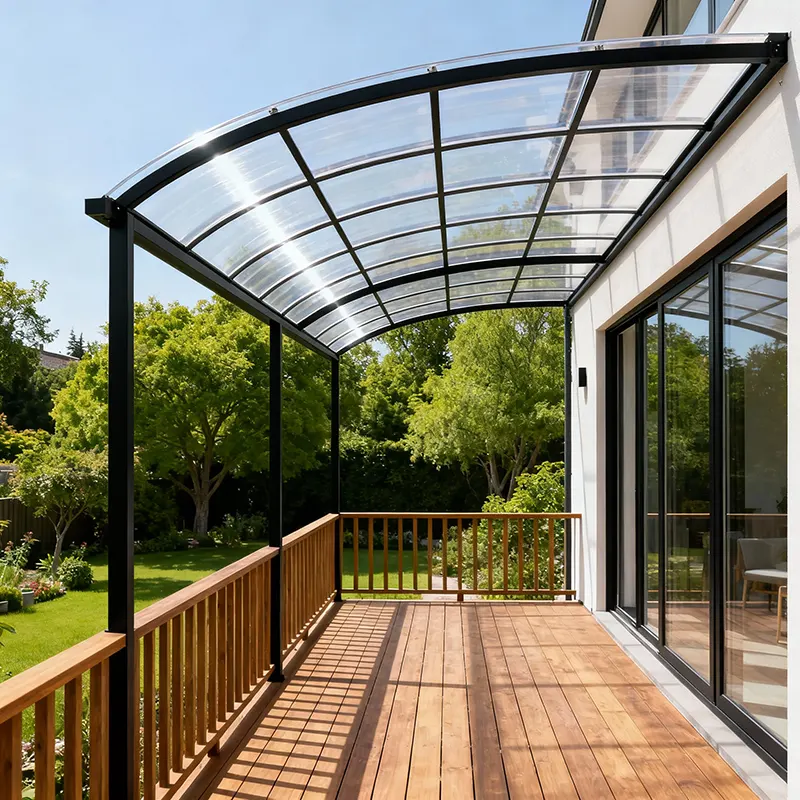
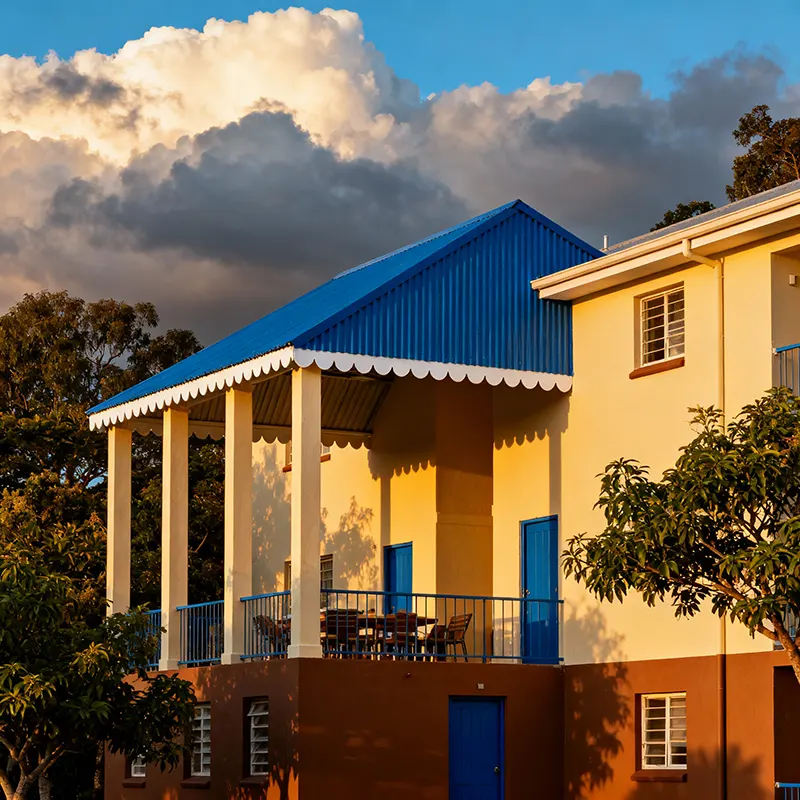
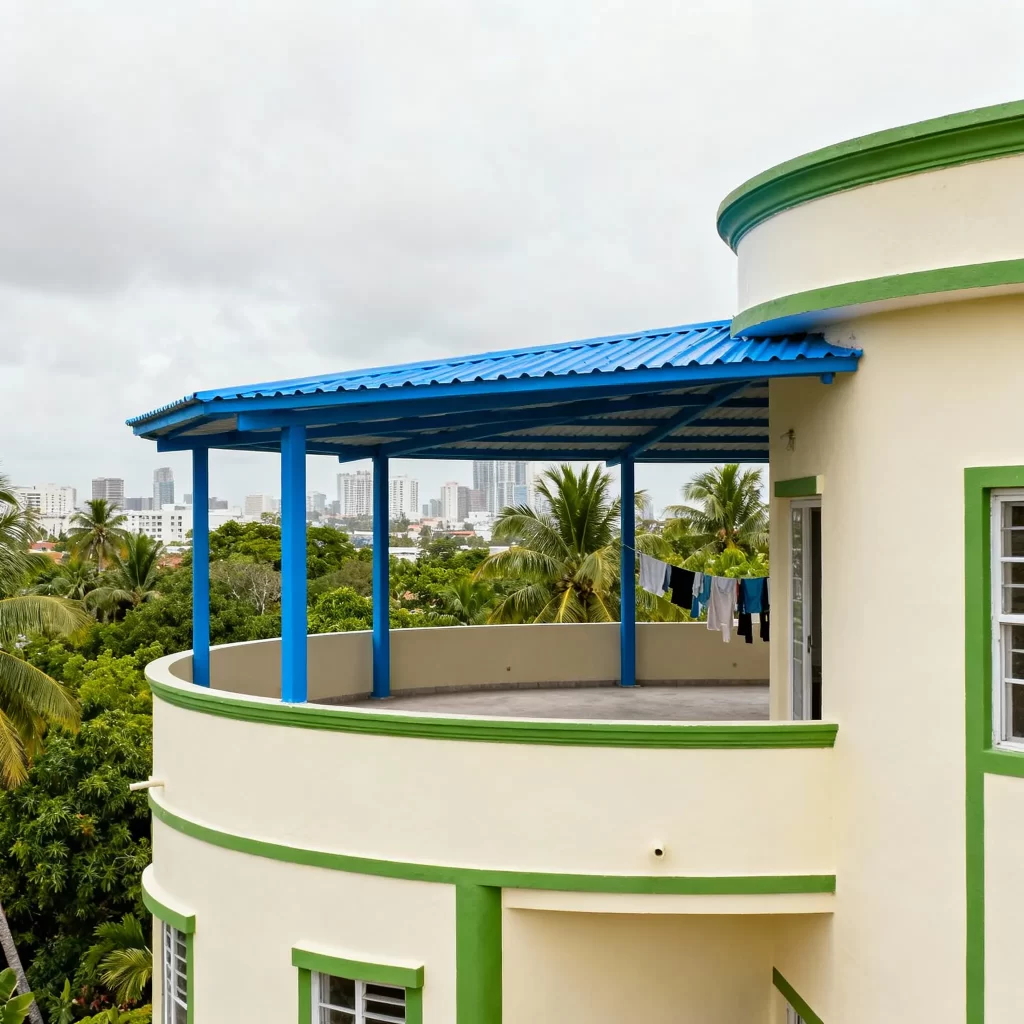
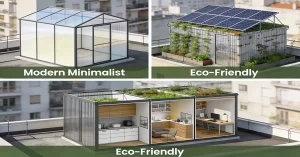
Environmental considerations further enhance the appeal of rooftop shed designs. Many manufacturers now offer sustainable materials and eco-friendly construction options that promote environmentally conscious urban living. Additionally, terrace roof sheds provide valuable insulation benefits, reducing heat absorption through the roof surface and helping maintain cooler interior temperatures—a critical advantage in India’s hot climate. This thermal protection can reduce air conditioning costs by maintaining lower indoor temperatures naturally.
The Indian market offers diverse terrace roof shed options at varying price points. Basic corrugated metal sheet designs with MS tubular structures cost approximately ₹170-190 per square foot, while premium solutions featuring insulated double-sheet roofing or polycarbonate materials range from ₹190-360 per square foot, depending on specifications. For a typical 300 square foot terrace shed, total costs including materials, labor, and installation would range from ₹51,000 to ₹108,000.
Landscaping Ideas for Roof Terraces
Integrating landscaping elements with terrace roof shed designs creates harmonious outdoor spaces that blend functionality with natural beauty. Pergola-style terrace roof designs have gained particular popularity, consisting of posts and cross beams that create partially shaded outdoor spaces perfect for adding climbing plants or vines for a natural, organic appearance. Modern pergola designs feature clean lines, simple shapes, and minimalist aesthetics that complement contemporary architecture.
Strategic plant selection transforms terrace roof sheds into genuine outdoor oases. Container gardens featuring drought-resistant plants work exceptionally well in rooftop environments, requiring minimal maintenance while providing visual interest and natural cooling effects. Vertical gardens or green walls can be incorporated into terrace shed designs, maximizing limited space while delivering impressive aesthetic impact and air quality improvements.
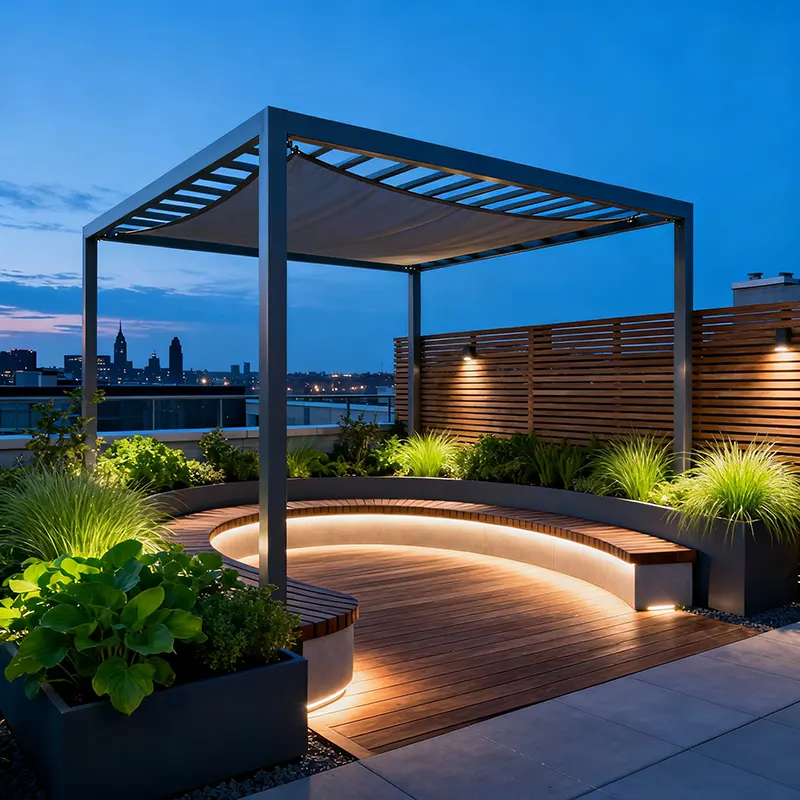
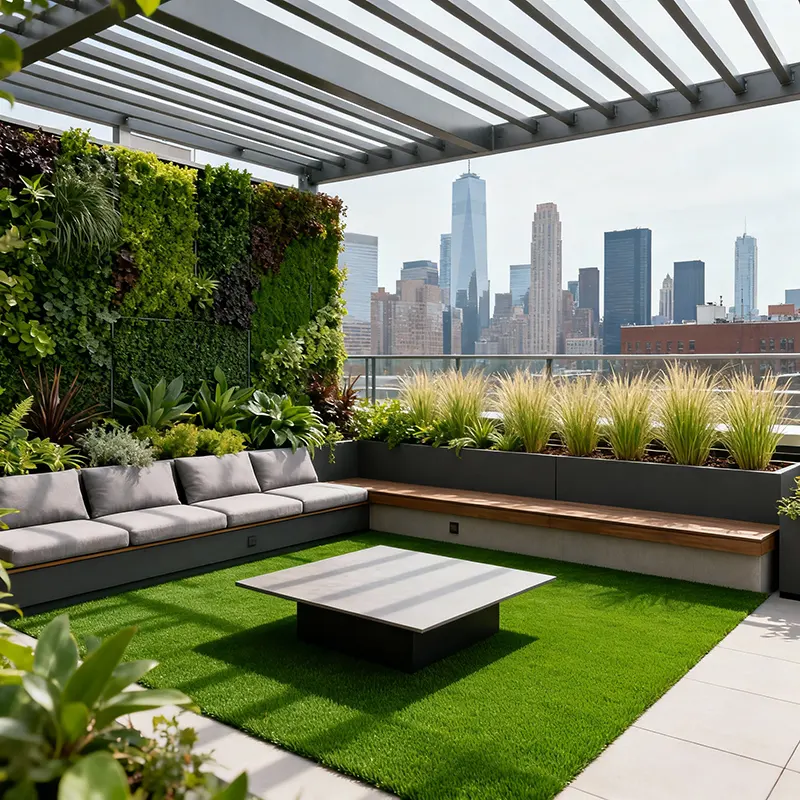
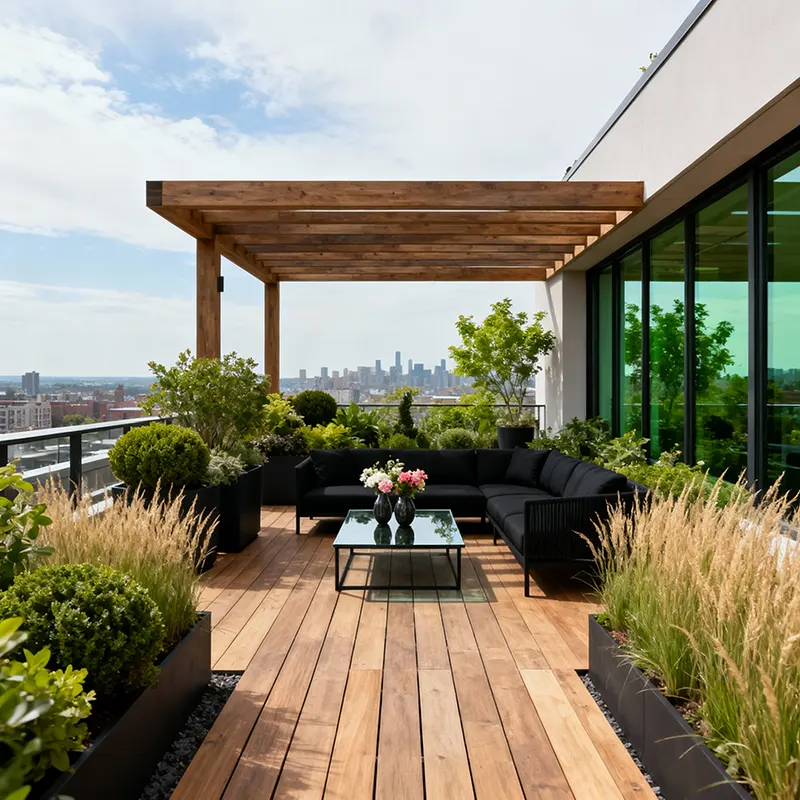
Lighting design plays a crucial role in terrace roof shed landscaping. Diffused lighting fixtures can be integrated into polycarbonate or translucent roof structures, creating ambient illumination for evening use. LED strip lighting installed along roof edges or support beams provides energy-efficient accent lighting that highlights landscaping features while ensuring safe navigation. Solar-powered lighting options have become increasingly viable in India’s sunny climate, reducing electrical costs while supporting sustainability goals.
Flooring materials significantly influence the overall aesthetic and functionality of landscaped terrace sheds. Wooden decking creates warm, natural environments ideal for relaxation and entertainment. Alternatively, weather-resistant outdoor tiles, decorative concrete finishes, or artificial grass installations offer durable, low-maintenance options suitable for India’s varied weather conditions. The choice should complement both the roof shed design and the surrounding architectural elements for cohesive visual integration.
Water features, when appropriately scaled and professionally installed, add tranquil focal points to terrace roof shed spaces. Small fountains, bird baths, or water walls create soothing soundscapes while attracting beneficial wildlife. However, proper waterproofing and drainage systems must be meticulously planned to prevent water damage to underlying structures—a critical consideration in monsoon-prone regions.
Shed Construction Cost Breakdown
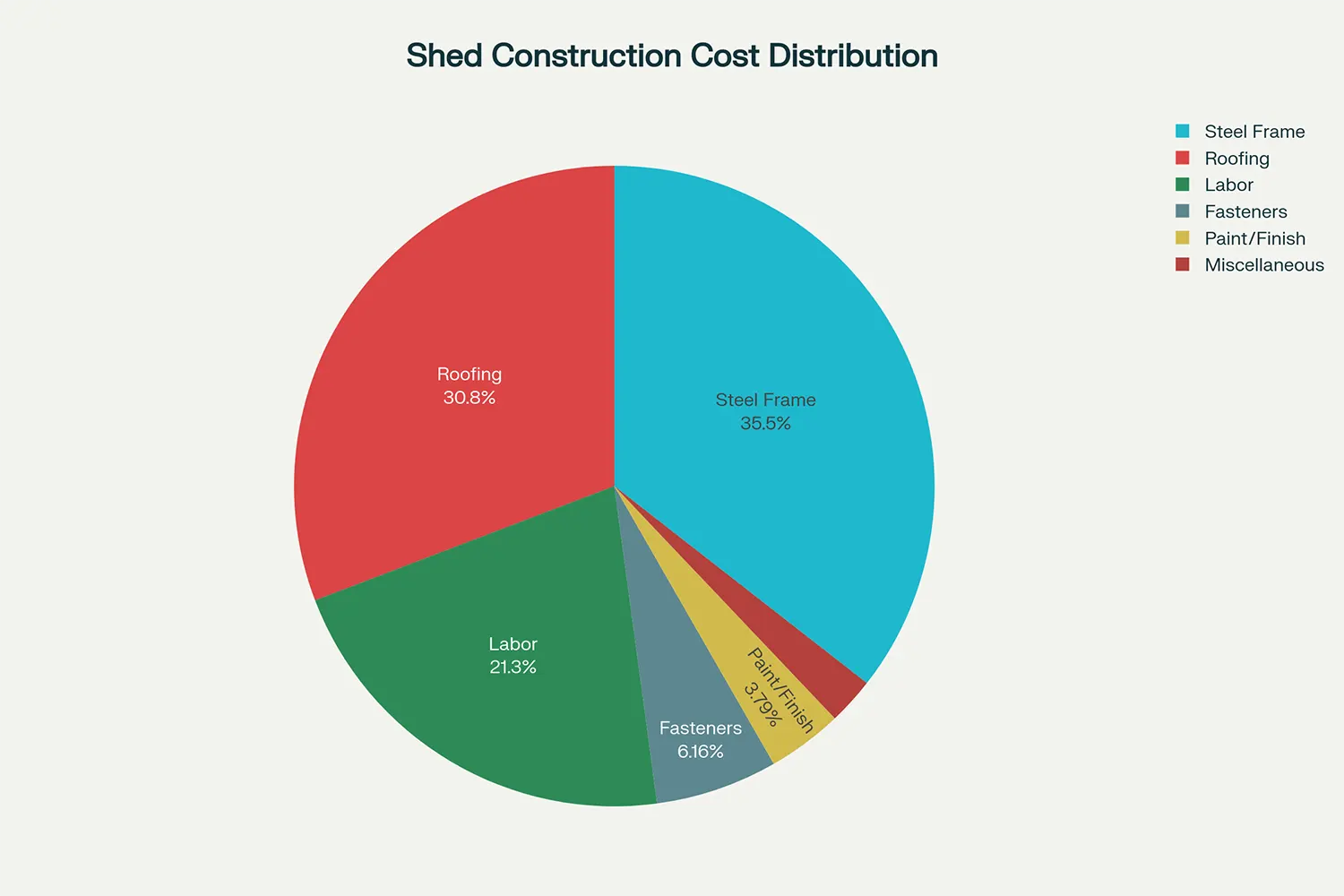
| Component | Percentage of Total Cost | Cost for 1000 sq ft (₹) | Notes |
|---|---|---|---|
| Steel Structure/Frame | 35-40% | 19,500-22,000 | MS pipes, columns, beams |
| Roofing Sheets | 30-35% | 16,500-19,250 | Material depends on choice |
| Labor | 20-25% | 11,000-13,750 | Fabrication and installation |
| Fasteners & Accessories | 5-8% | 2,750-4,400 | J-hooks, screws, bolts |
| Paint & Finishing | 3-5% | 1,650-2,750 | Anti-rust coating |
| Miscellaneous | 2-3% | 1,100-1,650 | Transportation, etc. |
Roof Shed Design for Home Use
Functional Spaces for Storage
Home roof shed designs serve invaluable functions in creating organized, clutter-free living environments. The strategic implementation of storage-focused shed designs allows homeowners to declutter gardens, garages, and living spaces while protecting valuable equipment and tools from weather damage. Modern residential shed designs prioritize both functionality and aesthetics, ensuring storage solutions enhance rather than detract from property appearance
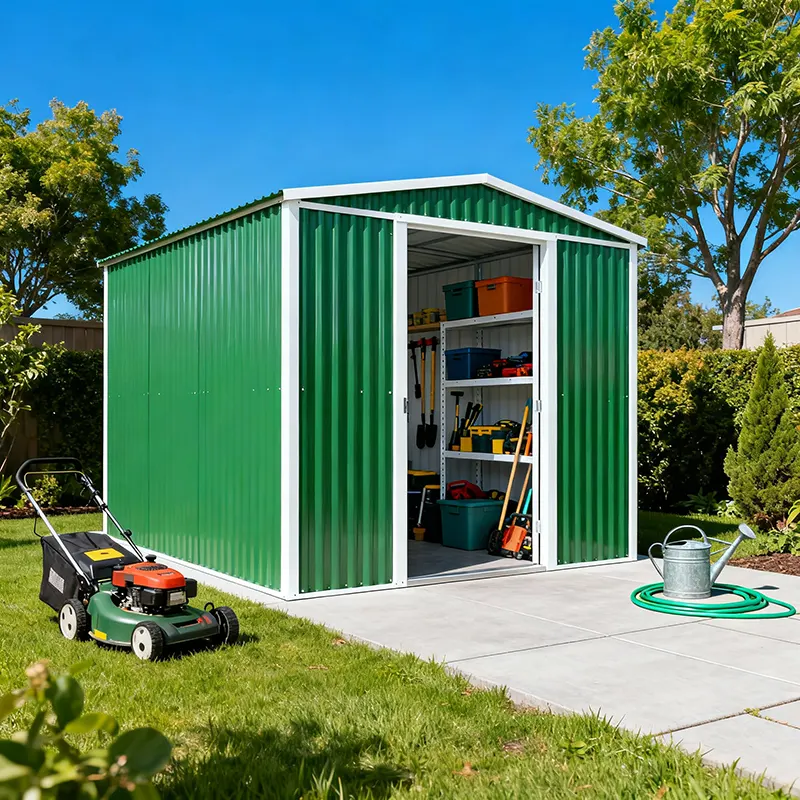
The size and configuration of storage sheds should align with specific household needs. For typical Indian homes, sheds ranging from 100 to 300 square feet provide adequate storage for garden equipment, seasonal items, bicycles, and outdoor furniture. Based on current market rates, a 10×10 foot (100 sq ft) shed costs approximately ₹17,000-19,000 for basic tin sheet construction, while a 10×20 foot (200 sq ft) shed ranges from ₹34,000-38,000.
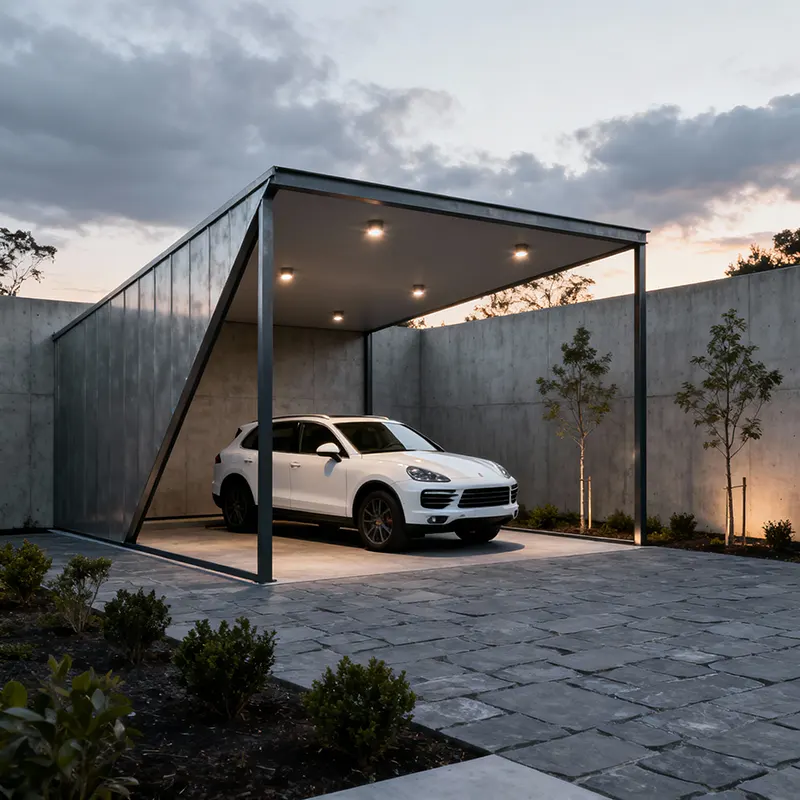
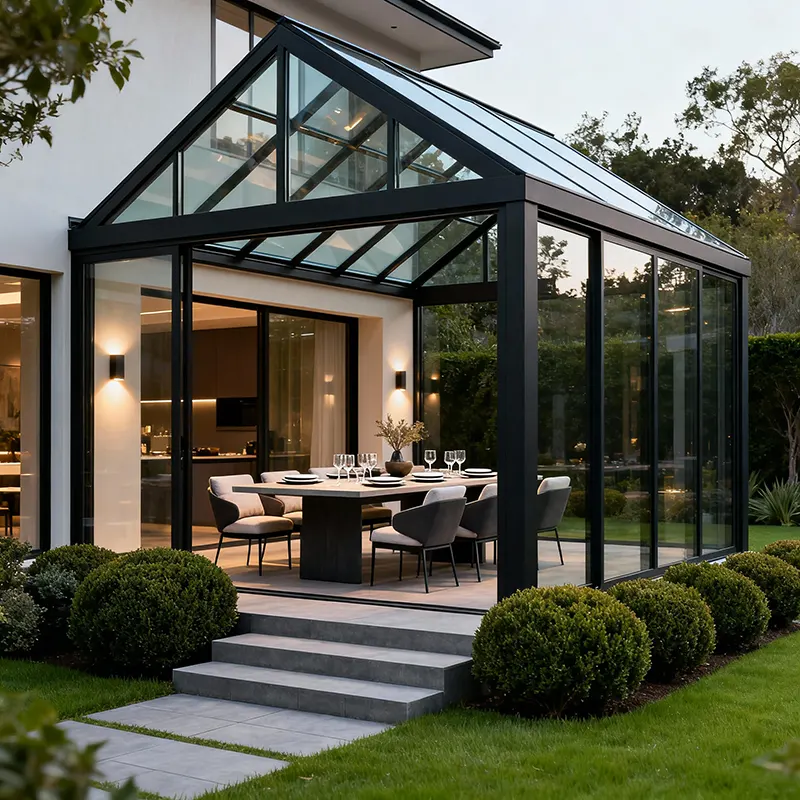
Material selection significantly impacts storage shed functionality and longevity. Steel-framed sheds with metal roofing offer superior durability, pest resistance, and fire protection compared to traditional wooden structures. Steel sheds can support heavier loads, span greater distances without additional supports, and withstand extreme weather conditions—critical factors in India’s diverse climate zones. The recyclable nature of steel also makes it an environmentally responsible choice.
Interior organization systems maximize storage shed utility. Installing shelving units, pegboards for tool organization, overhead storage racks, and designated zones for different item categories transforms simple storage sheds into highly functional spaces. For homeowners in humid coastal regions, proper ventilation systems and moisture-resistant materials prevent mold and mildew growth that could damage stored possessions.
Security considerations should not be overlooked when designing storage sheds. Quality locks, reinforced doors, and potentially alarm systems protect valuable equipment and tools. Proper lighting—both interior and exterior—enhances security while improving accessibility and usability during early morning or evening hours. Some homeowners incorporate motion-sensor lighting that activates automatically, providing both security and convenience.
Creative Uses for Garden Sheds
Beyond traditional storage functions, modern garden shed designs can be transformed into versatile lifestyle spaces that significantly enhance property value and enjoyment. The trend toward creating multi-functional outdoor structures reflects changing lifestyles and increased appreciation for personalized, purposeful spaces.
Home office sheds have surged in popularity, particularly following the widespread adoption of remote work arrangements. A well-designed garden shed office provides dedicated workspace separated from household distractions, promoting productivity while maintaining work-life balance. Essential features include proper insulation for year-round comfort, adequate electrical outlets for technology, excellent natural lighting through strategic window placement, and reliable internet connectivity. In India’s hot climate, incorporating cooling solutions such as proper ventilation, reflective roofing materials, or even air conditioning becomes necessary for comfortable working conditions.
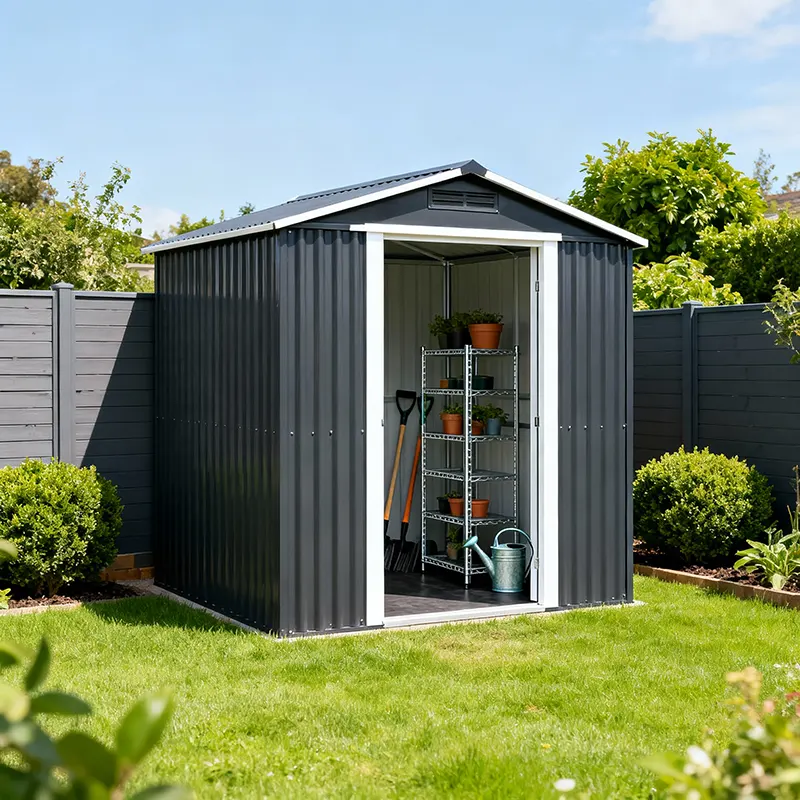
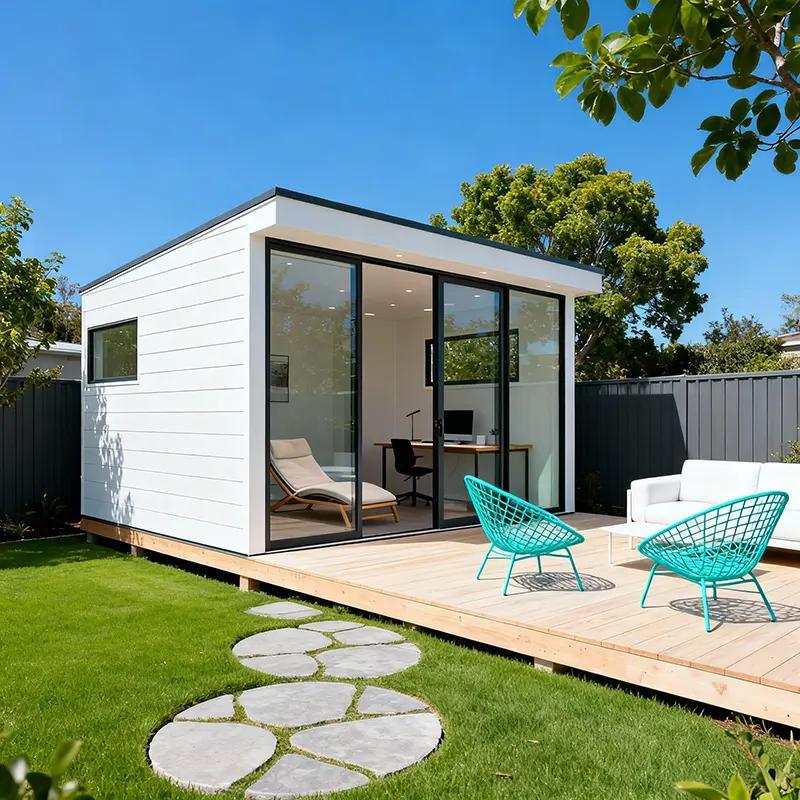
Creative studios represent another popular garden shed application. Artists, craftspeople, and hobbyists value dedicated spaces where they can pursue passions without cluttering main living areas. Studio sheds benefit from abundant natural light—easily achieved through shed roof designs with clerestory windows or skylights—adequate floor space for equipment and materials, and sound insulation if activities generate noise.
Guest accommodation sheds provide flexible housing solutions for visiting family and friends. With proper insulation, bathroom facilities, basic kitchen amenities, and comfortable furnishings, garden sheds transform into charming guest cottages that offer privacy for visitors while maintaining household harmony. Building codes and regulations regarding permanent structures should be carefully reviewed before undertaking such conversions.
Children’s playhouse sheds create magical spaces where imagination flourishes. Designed with safety as the primary concern, playhouse sheds can incorporate age-appropriate features such as low windows for supervision, rounded edges, non-toxic finishes, and engaging design elements like climbing walls or small slides. These structures grow with children, potentially transitioning from playhouses to teen hangout spaces as families evolve.
Shed Roof Truss Design
Types of Trusses for Shed Roofs
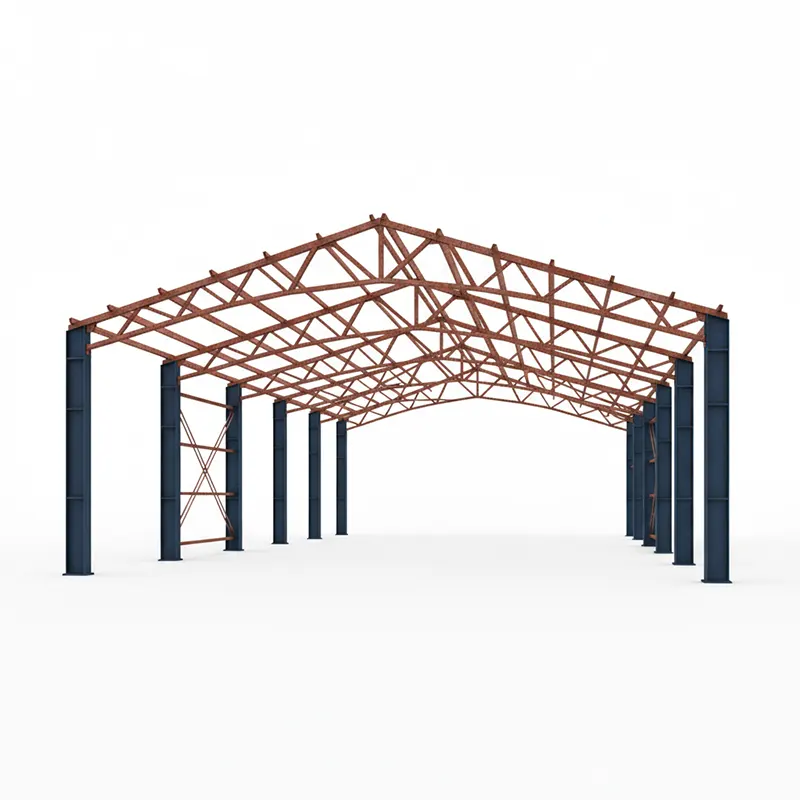
Roof trusses form the structural skeleton supporting shed roofs, comprising triangulated systems of straight interconnected elements joined at nodes. Understanding various truss types enables informed decisions that optimize structural performance, cost-effectiveness, and architectural aesthetics. Each truss configuration offers distinct advantages suited to specific applications and span requirements.
The mono pitch truss represents the simplest truss design specifically engineered for shed roofs, featuring a single slope in one direction. These trusses are frequently employed to create multilevel rooflines, additions to existing structures, and modern architectural features. Mono pitch trusses prove especially useful for integrating new construction with existing buildings while delivering distinctive contemporary aesthetics. Their straightforward design makes them cost-effective and relatively simple to fabricate and install.
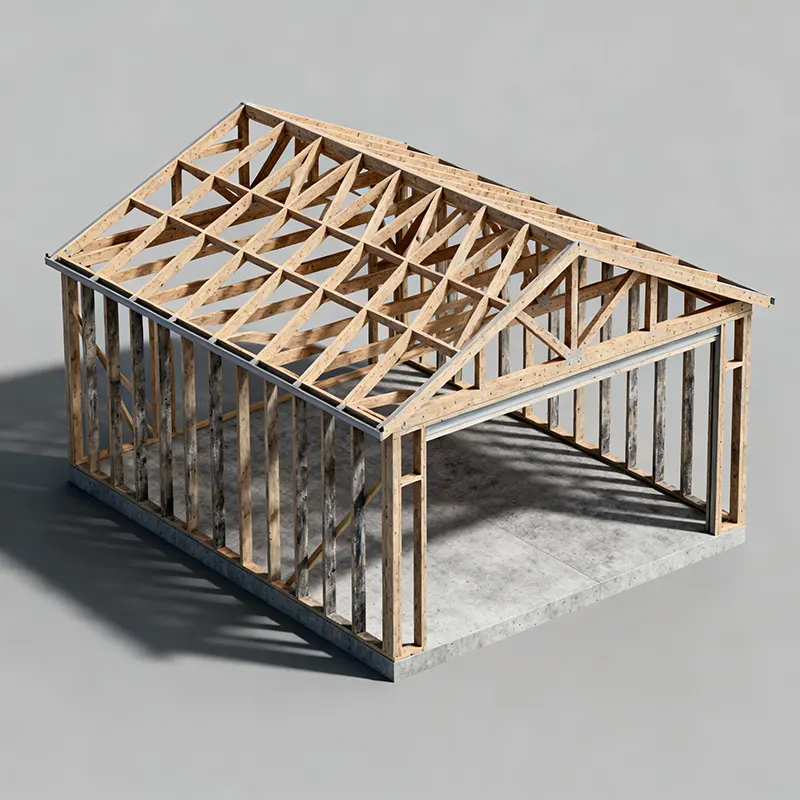
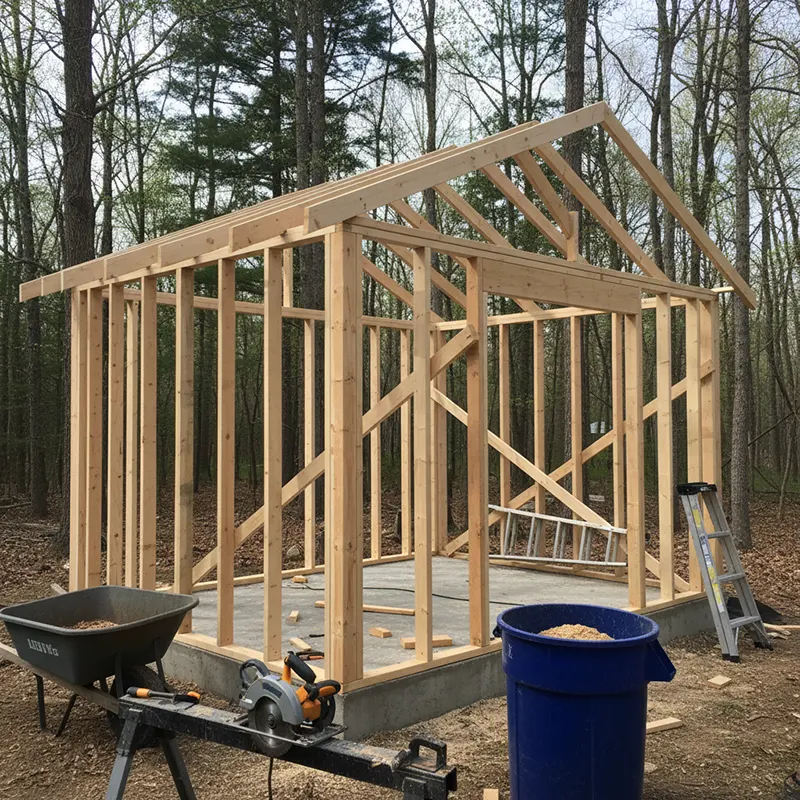
King post trusses constitute the most basic truss form, consisting of two angled supports joined at the top with a central vertical post. This simple configuration suits small to medium-sized buildings with spans up to 8 meters. King post trusses offer cost-effectiveness due to their straightforward design, minimal material requirements, and ease of construction. They are commonly used in residential sheds, garages, and small outbuildings throughout India
Queen post trusses build upon the king post concept by incorporating two vertical posts instead of one, providing additional support for longer spans up to 12 meters. This design offers greater visual appeal than king posts while delivering enhanced load-bearing capacity. Queen post trusses are typically more expensive to manufacture and install than king post alternatives due to additional members and longer spans, but they provide excellent solutions for medium-sized residential and light commercial applications.
Fink trusses—also called W-trusses due to their distinctive web member configuration—rank among the most efficient and widely used truss designs. These trusses feature a network of triangular elements that distribute loads evenly across the structure, providing maximum strength and stability for long spans up to 30 meters. Fink trusses are particularly popular in commercial buildings, warehouses, and industrial sheds where clear interior spaces without intermediate supports are required. Their cost-effectiveness and material efficiency make them preferred choices for large-scale projects.
Howe trusses feature vertical members in tension and diagonal members in compression, suitable for spans ranging from 6 to 30 meters. These versatile trusses can be constructed using timber, steel, or combinations of both materials. Howe trusses are widely employed in industrial sheds, bridges, and warehouses where reliable load-bearing capacity and durability are essential. The design’s efficiency in handling tension forces makes it particularly suitable for structures supporting heavy loads.
Pratt trusses utilize vertical members in compression with diagonals sloping downward toward the center in tension. Known for exceptional efficiency, Pratt trusses represent one of the most popular steel truss configurations. They typically span between 6 and 10 meters and prove ideal for bridges and roof systems where tension handling is critical. The Pratt configuration optimizes material usage by placing members primarily in tension—where steel performs most efficiently—resulting in economical structural solutions.
Shed Roof Truss Types
| Truss Type | Material | Complexity | Cost Factor | Best Use |
|---|---|---|---|---|
| King Post | Timber/Steel | Simple | Low | Small sheds |
| Queen Post | Timber/Steel | Medium | Medium | Medium sheds |
| Fink (W-Truss) | Steel | Medium | Medium | Commercial buildings |
| Howe Truss | Steel/Timber | Medium | Medium | Industrial sheds |
| Pratt Truss | Steel | Medium | Medium | Bridges, roofs |
| Mono Pitch | Steel/Timber | Simple | Low | Modern extensions |
| North Light | Steel | Complex | High | Factories with natural light |
Structural Considerations
Proper structural design ensures that shed roof trusses safely support all anticipated loads throughout their service life. Multiple load types must be carefully analyzed and accommodated in truss design calculations, including dead loads, live loads, wind loads, and in relevant regions, snow loads.
Dead loads encompass the weight of all permanent structural elements including the roof covering material, insulation, purlins, trusses themselves, ceiling finishes, and mechanical/electrical/plumbing equipment. In India, typical dead loads for shed roofs range from 0.75-1.0 kN/m² for lightweight metal sheeting systems to 2.0-2.5 kN/m² for heavier tile roofing. Accurate dead load estimation requires considering the specific materials selected for each project component.
Live loads represent temporary, movable loads including maintenance personnel, equipment, and short-duration environmental loads. According to Indian Standard IS 875 (Part 2), roof live loads for accessible industrial building roofs using trusses should be designed for 1.5 kN/m², while non-accessible roofs require 0.75 kN/m². These values ensure adequate safety margins for anticipated roof traffic and temporary loading scenarios.
Wind loads often govern shed roof designs, particularly in coastal areas and regions prone to cyclones. The inclined surfaces of shed roofs experience both positive pressure on windward sides and negative pressure (suction) on leeward sides. Wind uplift forces can be substantial, potentially exceeding downward gravity loads. Proper connection details, adequate anchoring systems, and structural member sizing must account for these forces to prevent roof failure during extreme weather events.
Material selection significantly impacts truss structural performance and cost. Steel trusses offer superior strength-to-weight ratios compared to timber alternatives, allowing longer spans with lighter member sizes. Steel trusses also provide exceptional durability, pest resistance, and fire resistance—critical advantages in many applications. However, timber trusses remain viable for smaller residential projects, offering natural insulation properties, easier field modifications, and lower material costs in regions where timber is readily available.
Connection design represents a critical structural consideration often overlooked by inexperienced designers. In steel trusses, welded connections provide excellent strength and rigidity but require skilled fabricators and careful quality control. Bolted connections offer field assembly flexibility and easier inspection but may require larger member sizes to accommodate fastener holes. For timber trusses, metal plate connectors, gusset plates, or traditional carpentry joints must be properly engineered to transfer forces between members.
Deflection limits must be satisfied in addition to strength requirements. Excessive deflection can cause roof covering damage, ceiling cracking, water ponding (on low-slope roofs), and aesthetic concerns, even if structural capacity is adequate. Typical deflection limits restrict maximum vertical displacement to span/180 or span/240 under live loads, though specific project requirements may impose tighter tolerances.
Cultural Insights: Roof Shed Design India
Traditional vs. Modern Approaches
Indian roof design traditions reflect centuries of architectural evolution adapted to diverse regional climates, available materials, and cultural preferences. Traditional roofing approaches emphasized locally sourced materials—clay tiles in southern states, slate in mountainous regions, thatch in rural areas—and time-tested construction techniques passed through generations. These conventional methods prioritized natural ventilation, thermal comfort, and integration with surrounding environments
Clay and terracotta tiles have dominated traditional Indian residential architecture for generations, particularly in Kerala, Karnataka, and Tamil Nadu. These materials provide natural thermal insulation, keeping homes significantly cooler during intense summer heat while retaining warmth in winter. The aesthetic appeal of clay tile roofs—characterized by warm earth tones and textured surfaces—contributes to India’s architectural heritage. However, clay tiles require substantial structural support due to their considerable weight and necessitate regular maintenance to replace broken or cracked tiles.
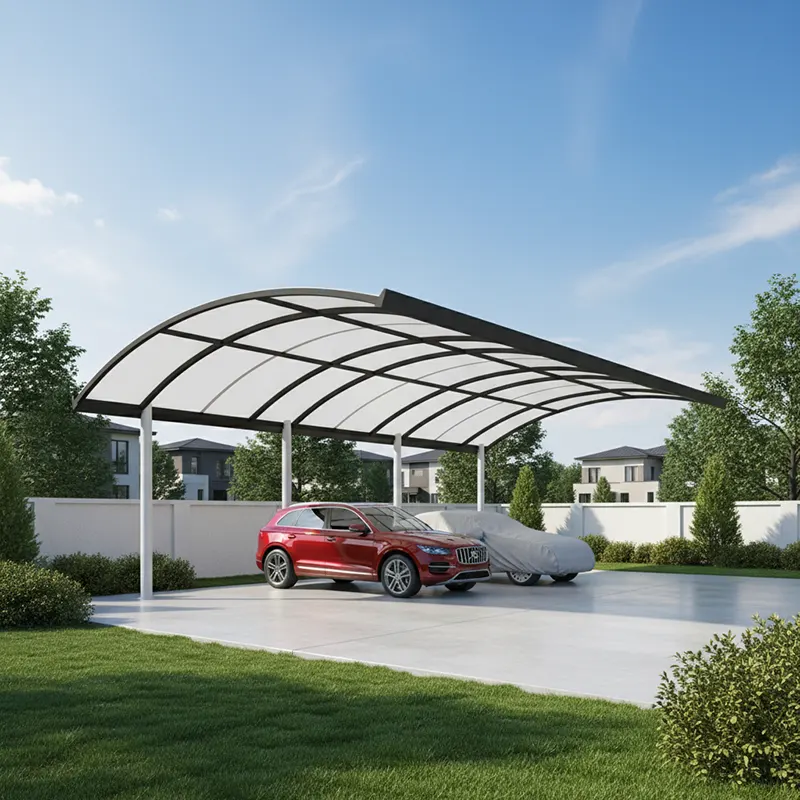
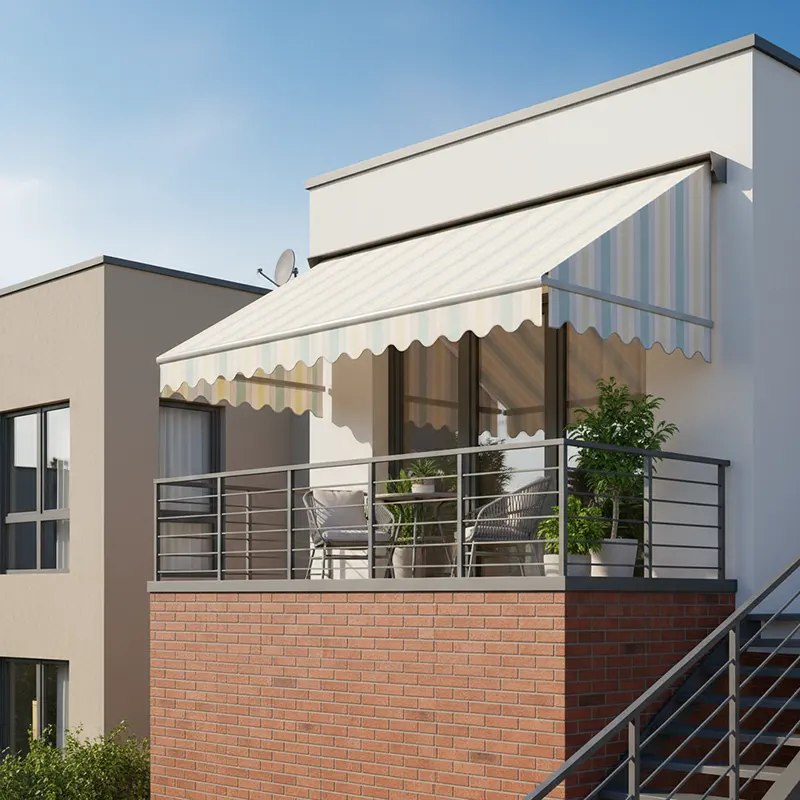
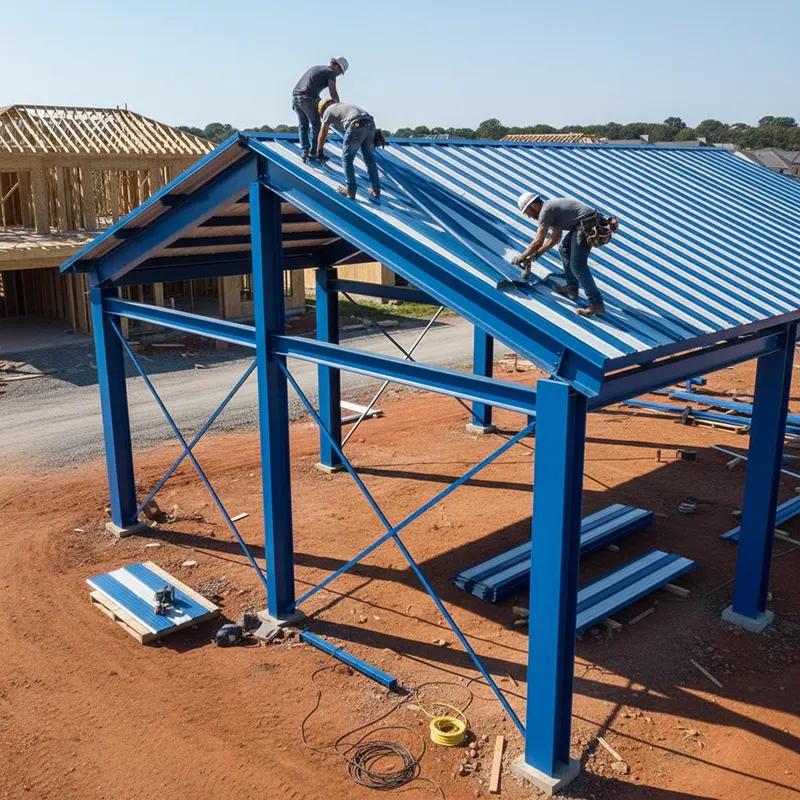
Modern shed roof approaches increasingly incorporate engineered materials and contemporary construction methodologies that emphasize speed, economy, and performance optimization. Pre-engineered building (PEB) systems and prefabricated shed components have revolutionized Indian construction, dramatically reducing project timelines while ensuring consistent quality. These systems utilize computer-aided design, precision manufacturing, and standardized connections to deliver cost-effective solutions for industrial, commercial, and residential applications.
The shift toward modern shed roof designs reflects broader societal changes including rapid urbanization, evolving aesthetic preferences, environmental consciousness, and technological advancement. Contemporary Indian homeowners increasingly seek roofing solutions that blend functionality with striking visual appeal—clean lines, minimalist profiles, and integration with modern architectural styles. Metal roofing, color-coated sheets, and polycarbonate materials have gained substantial market share as they satisfy demands for durability, low maintenance, and design flexibility.
Hybrid approaches combining traditional wisdom with modern materials represent an emerging trend in Indian architecture. For example, designers might specify traditional tile profiles manufactured from modern lightweight composite materials that replicate classic aesthetics while delivering superior performance and reduced structural requirements. Similarly, conventional roof forms like gable or hip configurations can be executed using contemporary steel framing and metal cladding that maintains cultural architectural identity while providing enhanced durability and weather resistance.
Local Materials and Techniques
Material selection for shed roofs in India must carefully consider local climate conditions, material availability, traditional construction practices, and cost constraints. The country’s diverse geography—from Himalayan mountains to tropical coastlines—creates varied environmental challenges requiring tailored solutions.
Fibre cement sheets have emerged as one of India’s most popular roofing materials, trusted for residential, industrial, and agricultural applications. These sheets combine cement reinforced with fibres to deliver exceptional toughness, weather resistance, and longevity without rust concerns. Their superior noise reduction compared to metal alternatives makes them particularly comfortable for residential installations. Major Indian manufacturers, including Everest Industries, produce high-quality fibre cement sheets specifically engineered for local climate conditions.
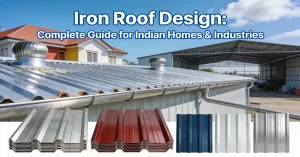
Galvanized iron (GI) and galvanized steel sheets dominate industrial and commercial roofing markets in India due to excellent durability, affordability, and ease of installation. These lightweight materials facilitate rapid construction while supporting long structural spans without intermediate supports. In hot regions, reflective coatings or insulation layers mitigate heat absorption, maintaining comfortable interior temperatures and reducing air conditioning costs. Proper corrosion protection through galvanization proves essential in coastal areas exposed to salt-laden air.
Color-coated pre-painted galvalume sheets represent premium roofing options increasingly popular in modern Indian construction. These sheets provide aesthetic versatility with numerous color choices while delivering superior weather resistance and low maintenance requirements. The reflective properties of light-colored coatings significantly reduce heat absorption—a critical advantage in India’s predominantly hot climate. Applications range from residential homes to schools, malls, and industrial facilities.
Traditional construction techniques remain relevant, particularly in rural areas and heritage projects. Clay tile installation methods perfected over centuries continue producing beautiful, durable roofs when executed by skilled craftspeople. However, modern improvements, including enhanced waterproofing membranes, engineered fastening systems, and optimized roof pitches, have refined these traditional approaches.
Local labor availability and skill levels significantly influence material and technique selection. Prefabricated shed systems and metal roofing installations require less specialized skills compared to complex tile roofing, potentially reducing labor costs and project timelines. However, regions with established tile-making traditions may find traditional materials more economical due to readily available skilled labor and local material production.
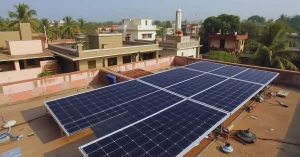
Sustainability considerations increasingly influence material choices in India. Steel’s recyclability makes it environmentally preferable for large-scale projects. Solar panel integration has become common in shed roof designs, with many modern systems specifically engineered to optimize photovoltaic panel positioning for maximum energy generation. The shed roof configuration naturally accommodates solar installations, with the single slope providing ideal orientation for capturing sunlight throughout the day.
Conclusion
Summary of Innovative Ideas
This comprehensive exploration of shed roof design has revealed numerous innovative approaches for creating functional, beautiful, and durable structures perfectly suited to Indian conditions. Modern shed roof design successfully balances aesthetic aspirations with practical requirements, delivering solutions that enhance property values while addressing climate challenges, budget constraints, and lifestyle needs.
The seven innovative tips covered—understanding fundamental shed roof principles, exploring modern material options, integrating natural light, optimizing terrace roof designs, creating versatile home-use spaces, selecting appropriate truss systems, and appreciating cultural contexts—provide a complete framework for successful shed roof projects. Each element contributes to holistic designs that satisfy multiple objectives simultaneously.
Material innovation stands as a central theme throughout contemporary shed roof design. The evolution from traditional clay tiles and thatch to engineered fibre cement sheets, color-coated metals, and polycarbonate panels has dramatically expanded design possibilities while improving performance. These modern materials deliver enhanced durability, reduced maintenance, superior weather resistance, and greater aesthetic flexibility compared to conventional alternatives.
Cost-effectiveness remains paramount for most Indian homeowners and businesses. The analysis presented demonstrates that thoughtful design choices significantly impact project budgets without sacrificing quality or appearance. Basic shed construction costs range from ₹55-90 per square foot for simple designs to ₹170-190 per square foot for premium finishes, including insulated panels and sophisticated features. Understanding cost drivers—structural framing (35-40% of budget), roofing materials (30-35%), labor (20-25%), and accessories (10-15%)—enables strategic decisions that optimize value.
Structural integrity cannot be compromised regardless of aesthetic preferences or budget limitations. Proper truss design considering dead loads, live loads, wind forces, and material properties ensures safe, durable structures that protect occupants and contents throughout their service lives. The diversity of available truss types—from simple mono pitch designs to complex Fink configurations—allows matching structural solutions to specific project requirements and span lengths.
Encouragement to Experiment
Shed roof design offers remarkable opportunities for creative expression while delivering practical functionality. Homeowners, architects, and builders should embrace the innovative possibilities presented by modern materials, construction techniques, and design approaches. Each project represents a unique opportunity to create spaces that reflect individual needs, preferences, and lifestyles.
Experimentation with unconventional applications can yield surprisingly successful results. Converting garden sheds into home offices, art studios, guest accommodations, or personal retreats demonstrates the versatility inherent in well-designed structures. These transformations often require minimal additional investment beyond thoughtful planning, appropriate furnishings, and careful attention to comfort factors like insulation, lighting, and temperature control.
Material combinations present another avenue for creative exploration. Mixing traditional elements—perhaps clay tile accents or natural wood trim—with contemporary components like metal framing or polycarbonate panels can produce distinctive designs that honor cultural heritage while embracing modern performance standards. Such hybrid approaches often resonate strongly with homeowners seeking balance between tradition and innovation.
Color selection significantly influences shed roof visual impact yet remains frequently underutilized. Color-coated roofing sheets are available in extensive palettes ranging from subtle earth tones to bold contemporary hues. Strategic color choices can make structures blend harmoniously with surroundings or create dramatic focal points that command attention. In India’s bright sunlight, lighter colors provide practical benefits by reflecting heat while offering aesthetic versatility.
Landscape integration transforms functional structures into cohesive outdoor environments. Incorporating climbing plants, container gardens, complementary hardscaping, and thoughtful lighting elevates simple shed roofs into attractive outdoor living spaces that enhance property enjoyment and value. These enhancements need not require substantial investment—many impactful landscape improvements can be implemented gradually as budgets permit.
Technology integration offers exciting possibilities for modern shed designs. Solar panels, smart lighting systems, climate control automation, and security monitoring can be seamlessly incorporated into shed roof projects, creating efficient, secure, and environmentally responsible structures. As technology costs decline and capabilities expand, these features become increasingly accessible to mainstream projects.
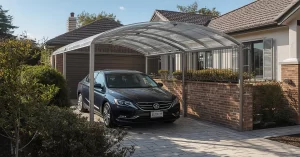
At Undertaking Engineering Enterprise, our 15 years of specialized experience in industrial, commercial, and residential shed fabrication positions us as trusted partners for your roofing projects. We understand the unique challenges presented by Indian climate conditions and construction environments. Our comprehensive services—from initial design consultation through final installation—ensure every structure delivers optimal strength, precision, and lasting performance. Whether you require factory sheds, warehouse roofing, car parking structures, or residential applications, our team applies premium-grade materials and modern engineering techniques to create solutions that exceed expectations.
The journey toward your ideal shed roof design begins with clear vision, informed decisions, and commitment to quality. Armed with the insights and innovative tips presented in this guide, you possess the knowledge necessary to embark confidently on transforming your backyard into a stunning, functional oasis that serves your needs for decades to come. Do not hesitate to consult with experienced professionals, explore diverse options, and ultimately select approaches that align with your specific requirements, preferences, and circumstances. Your perfect shed roof design awaits—innovative, beautiful, and built to endure.